Why 100% acrylic resin outlasts other exterior paints here
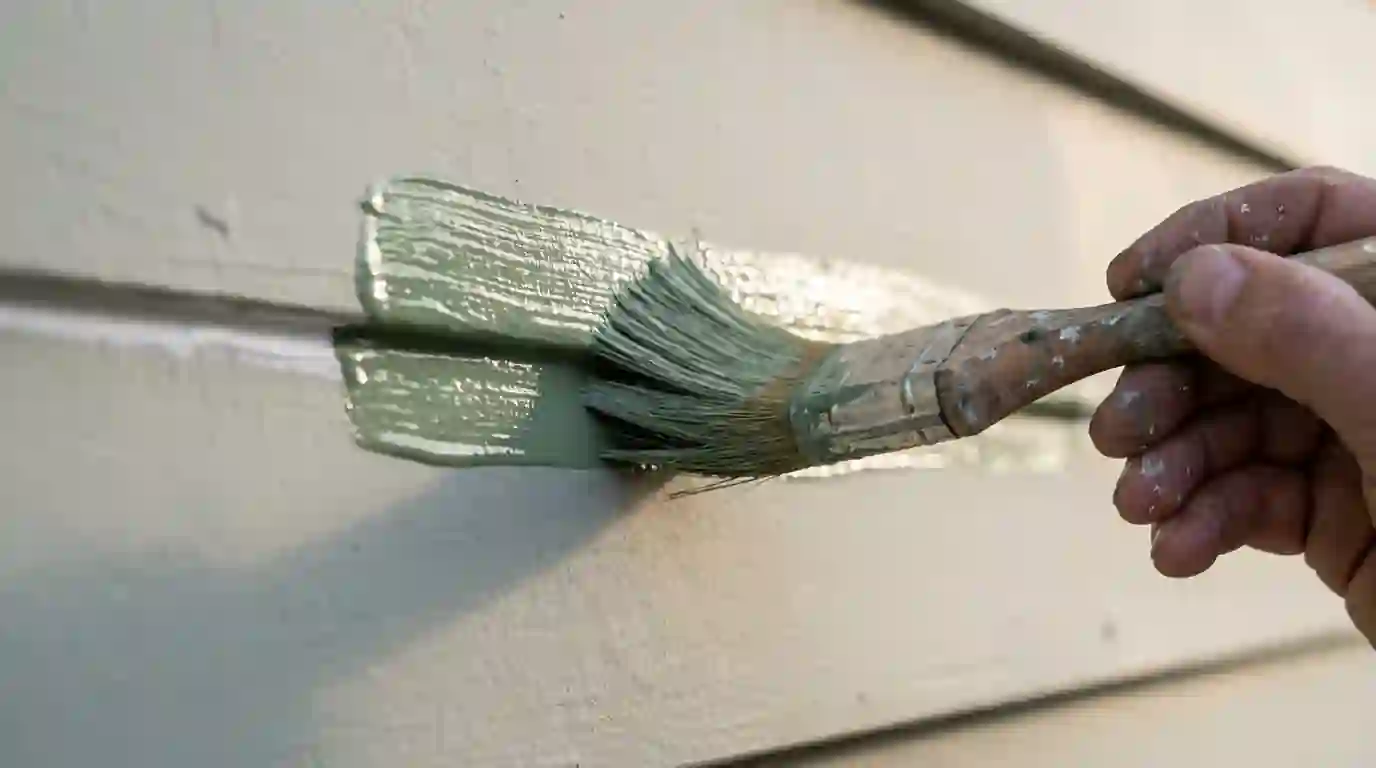
The resin, or binder, is what holds pigment to the wall and decides how a paint ages. A 100% acrylic binder resists UV breakdown better than vinyl acrylic or styrene acrylic blends, which are common in cheaper lines and tend to chalk and crack sooner under Texas sun. Acrylic also stays flexible as siding swings from cool mornings to 140F surface temperatures on a west wall in August. Oil-based exterior paints, once the standard here, get brittle and yellow as they age, and on siding they often crack and peel within a few summers. Today we keep oil mostly for primers on stained or tannin-heavy wood. On most Fort Worth homes, the topcoat that earns its price is a 100% acrylic from a top-tier line at Sherwin-Williams, Benjamin Moore, PPG or Behr.
How solids content and film thickness affect sun resistance
Two gallons can share the word acrylic and still perform very differently. Higher-end exterior paints carry more volume solids, often 38 to 45 percent versus 28 to 33 percent in budget products, which means more resin and pigment stay on the wall once the water evaporates. That thicker dry film shields the wood or primer underneath from UV and holds color longer. Application matters as much as the can. Two full coats at the manufacturer's spread rate, often 250 to 400 sq ft per gallon, typically produce a dry film around 3 to 4 mils. A single coat stretched thin might reach 1.5 mils, and it's those thin spots on the sunny side that chalk and fade first. When we compare products for a client, we look at the technical data sheet, not the marketing on the label.
Which sheens hold up best on Fort Worth siding and trim
Sheen isn't only about looks. Glossier finishes have a tighter surface that sheds dirt and pollen and resists moisture, while flat finishes hide surface flaws but hold dust and chalk faster. On North Texas exteriors, satin or low-luster is the usual sweet spot for siding: it hides the wavy lap boards found on many 1980s and 1990s homes but still cleans with a garden hose. Trim, fascia, doors and railings do better in semi-gloss, which stands up to handling, sprinkler spray and hail-season grit. Flat exterior paint still has a place on stucco and textured surfaces where shine would highlight every trowel mark. If you choose flat, pick a premium line built for exterior use, because the cheapest flats tend to chalk heavily within a few summers on any wall facing south or west.
Which colors fade fastest under North Texas UV
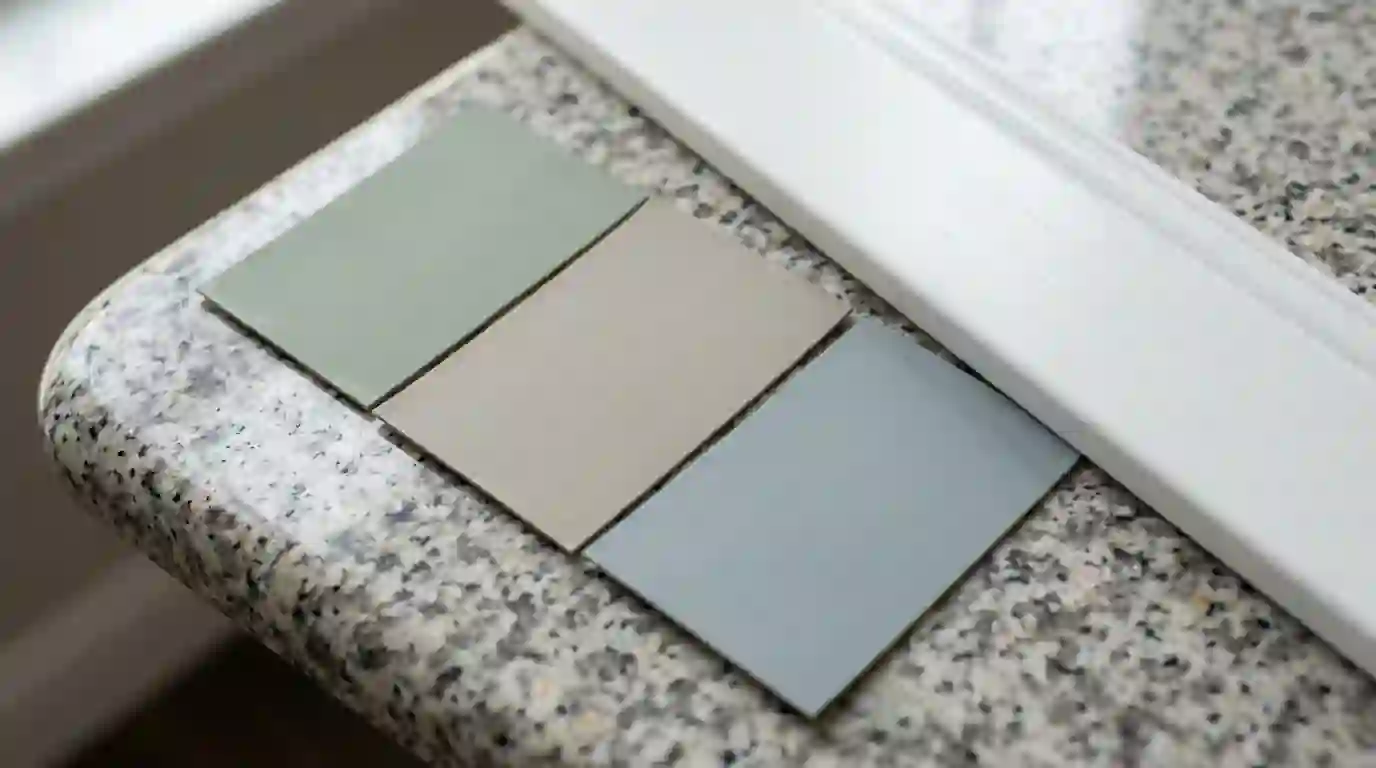
Color fade comes down to pigment chemistry. Inorganic pigments such as iron oxides, used in many earth tones, tans, warm grays and brick reds, are very stable in sunlight. Organic pigments, which make the brightest reds, deep blues, saturated greens and some purples, break down faster under UV. That's why a navy front door on a west-facing porch can look noticeably lighter after two or three summers while a khaki body color barely shifts. Darker colors also absorb more heat. A deep charcoal or black can run 20F to 40F hotter than a light color on the same wall, which stresses vinyl and some composite products and makes wood move more. Many vinyl siding makers publish reflectance limits for this reason, and several paint lines offer heat-reflective dark colors designed to stay within them. When we help pick colors, we check the elevation each surface faces.
The right primer for each Fort Worth exterior surface
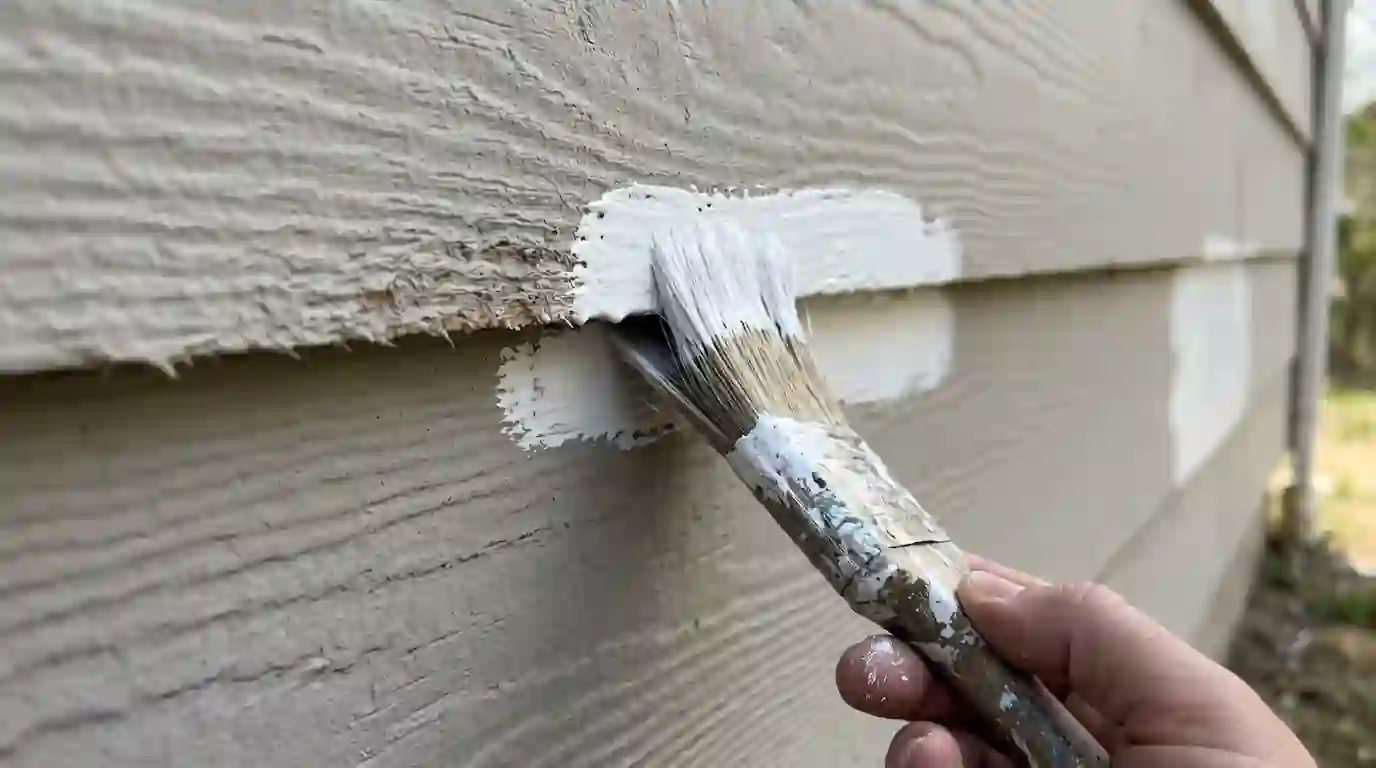
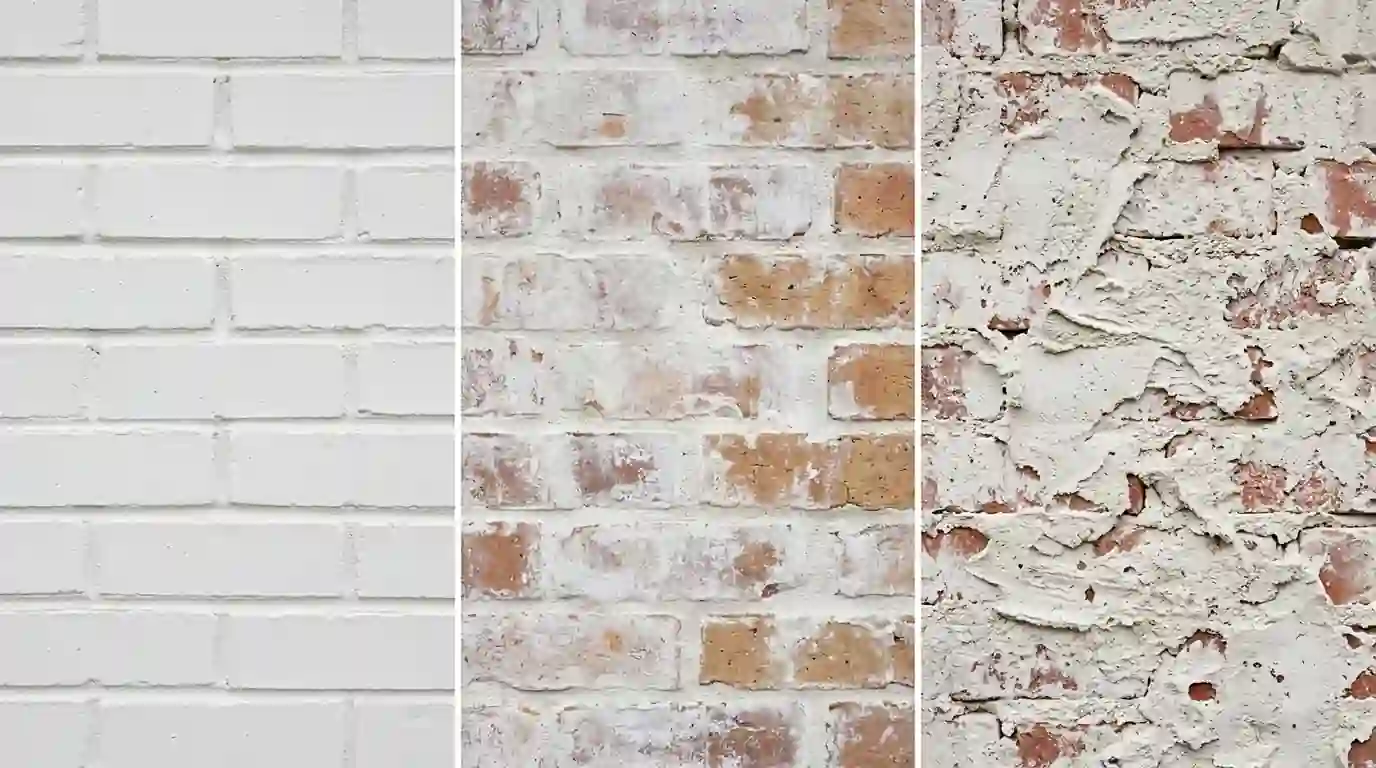
The best topcoat can still fail if the wrong primer sits under it. Bare or weathered cedar and redwood bleed tannins that show as brown stains through light paints, so they get an oil-based or stain-blocking acrylic primer first. Fiber cement siding usually arrives factory primed, but any cut ends or sanded spots need spot priming. Chalky old paint needs a thorough wash and often a bonding primer so the new coat grips something sound. Galvanized metal on patio covers and railings wants a primer rated for galvanized surfaces, or the topcoat can sheet off. Primer also improves color uniformity when going light over dark. On masonry and stucco, an alkali-resistant masonry primer helps prevent efflorescence and blotchy sheen. We choose primer by the surface, not by habit.
Paint features worth paying for and ones to skip
Some label claims matter in Fort Worth and some don't. Mildew-resistant additives help on shaded north walls under live oaks and near sprinkler heads. Low-temperature formulas, which allow application down to about 35F, are useful for winter jobs. Dirt-pickup resistance keeps light colors cleaner along dusty roads. On the other hand, "paint and primer in one" is mostly a description of higher solids and doesn't replace a real primer on bare wood, stains or chalky surfaces. Elastomeric coatings make sense on stucco with hairline cracks but are a poor choice on wood siding, where they can trap moisture. Specialty ceramic or "insulating" paints rarely deliver the energy savings their ads suggest. Spending on a top line and solid prep beats paying for novelty additives.
Application habits that keep any good paint from failing early
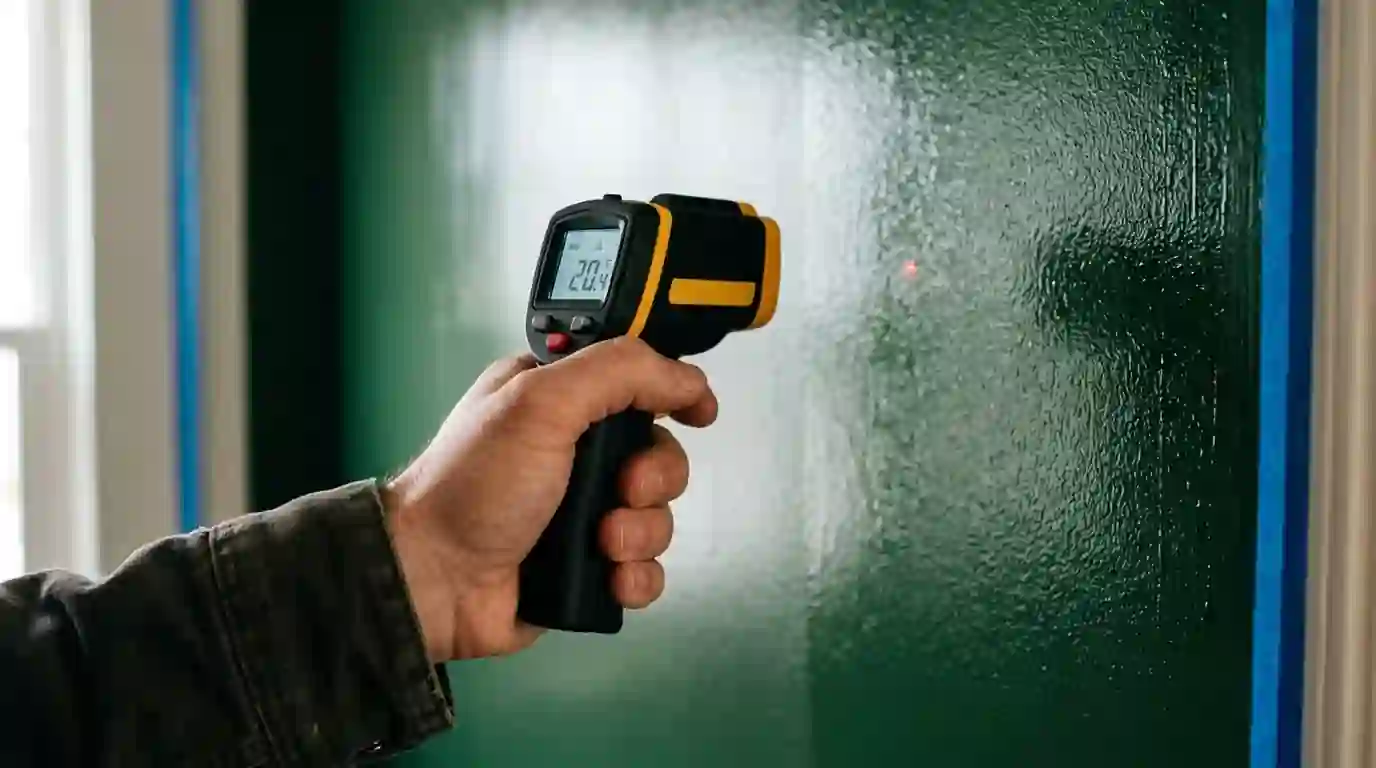
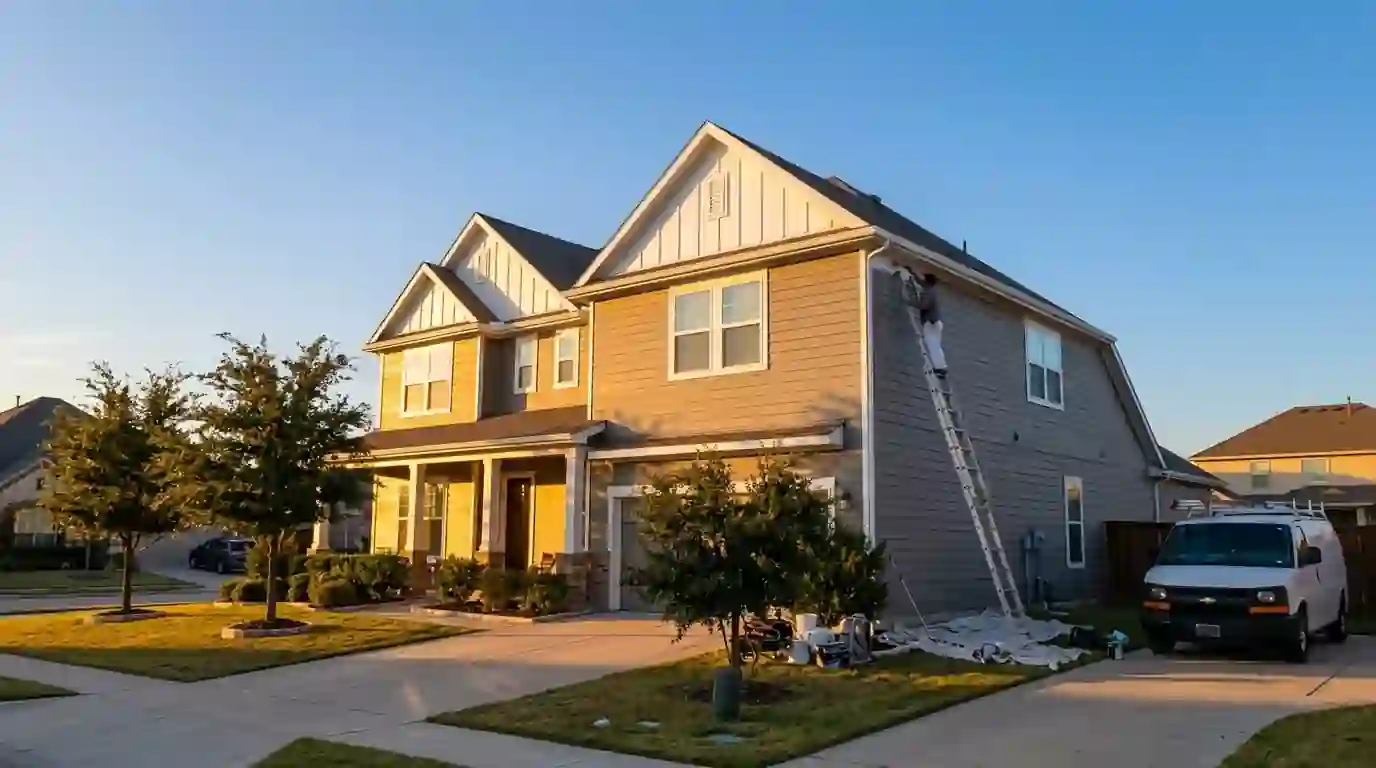
Even a premium acrylic will blister or flash if it goes on in the wrong conditions. In summer we avoid painting surfaces in direct afternoon sun, because a wall at 120F can skin the paint before it levels and bonds. Instead we follow the shade: east walls in the morning, west walls late in the day. Most acrylics need the air and surface above about 50F for standard products, or 35F for low-temperature lines, and they shouldn't see rain or heavy dew for at least four to six hours after application. Caulk needs to cure before topcoating, usually one to three hours for fast-dry acrylic urethane products. Respecting these windows does more for longevity than any single product choice. If you'd like help matching paint to your home's surfaces and sun exposure, call us and describe the house.