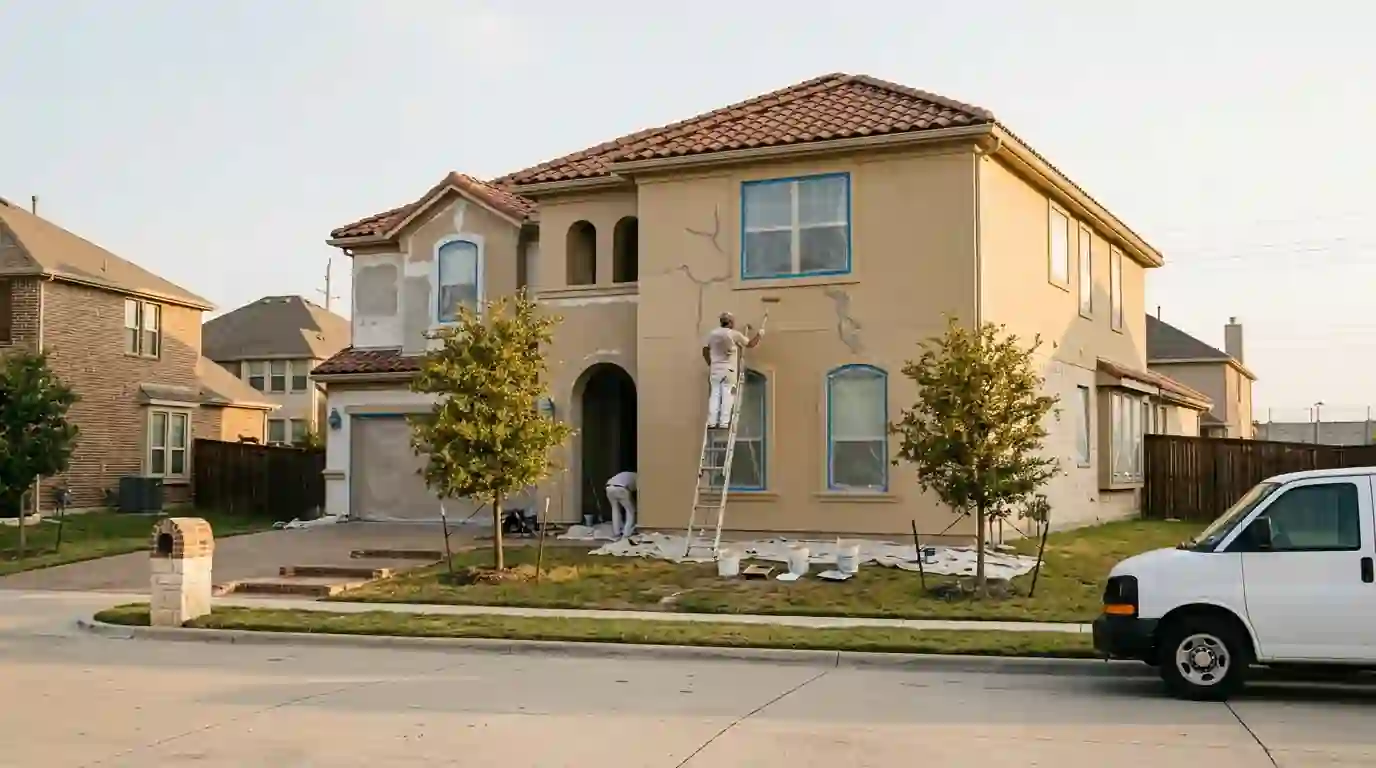
Why stucco cracks so often around Fort Worth
Stucco is a rigid cement plaster over lath, and it can't bend much. When expansive clay soil swells in a wet spring and shrinks in a dry August, the foundation moves slightly, and that movement shows up as diagonal cracks off window and door corners. Thermal swings add finer map cracking across wide walls. Some cracks are cosmetic hairlines, while others let water reach the lath and sheathing behind the plaster, which is where real damage begins.
We sort cracks into three groups before any paint is discussed. Hairline cracks under about one sixteenth of an inch are usually bridged by an elastomeric topcoat. Wider cracks are opened with a grinder or crack chaser and filled with a flexible patching compound. Cracks with offset faces, bulging or crumbling stucco may signal moisture behind the wall, and we'll show you those and recommend a stucco repair specialist when it goes beyond surface patching.
Elastomeric or masonry acrylic: picking the stucco coating
Elastomeric coatings are thick, rubbery acrylics applied at roughly 10 to 20 dry mils, several times the thickness of normal paint. They stretch over hairline cracks as the wall moves and shed wind-driven rain very well, which makes them a strong choice for cracked stucco on older homes. The downsides are less breathability, a slightly plastic sheen, and harder future touch-ups. Elastomeric also needs a primer and absolutely dry stucco, or it can blister.
Masonry acrylic paints are thinner and more breathable, with a flatter, more natural look. They suit newer stucco in good condition and synthetic finishes where trapping vapor would be a concern. We'll recommend one based on crack density, wall exposure and how the stucco was built, and we're happy to brush both on a small test patch so you can compare sheen and feel. Color plays in too: very dark elastomeric colors absorb more heat on a west wall, so we tend to suggest mid-tones for the sunniest elevations.
- Elastomeric: 10 to 20 dry mils, bridges hairline cracks
- Masonry acrylic: more breathable, flatter, easier to touch up
- Alkali-resistant primer on new or patched stucco
- Both need fully cured patches and a dry wall
What stucco painting typically costs in Fort Worth
$4,400 to $10,850
typical range for 1,500 to 3,000 sq ft of exterior stucco, not a quote. Your price comes from a written scope after we see the job.
What moves the number
- Stucco wall area and height
- Number and width of cracks to route and fill
- Texture patches around old fixtures or damage
- Elastomeric coating versus masonry acrylic
- Foam trim bands, arches and decorative details
- Efflorescence or mildew on shaded walls
Matching stucco texture so repairs don't show
A filled crack or patched hole that's smooth on a sand-finish wall will stand out under paint, especially in low afternoon light. We match the existing texture, whether that's a fine sand float, a heavier dash, a Santa Barbara smooth trowel or a lace finish, using patching stucco or acrylic texture compound applied with sponges, floats and hopper guns. Patches cure before priming, typically 24 to 72 hours depending on depth and weather.
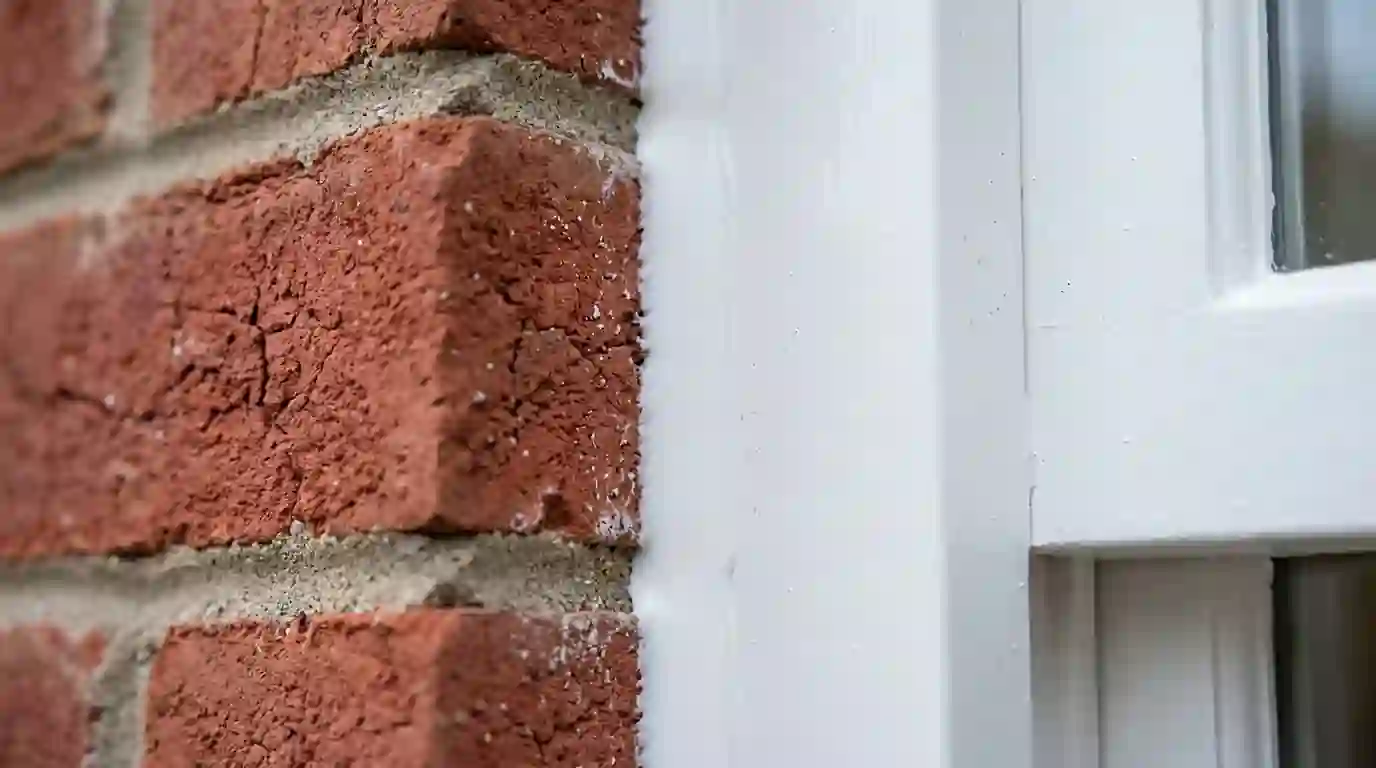
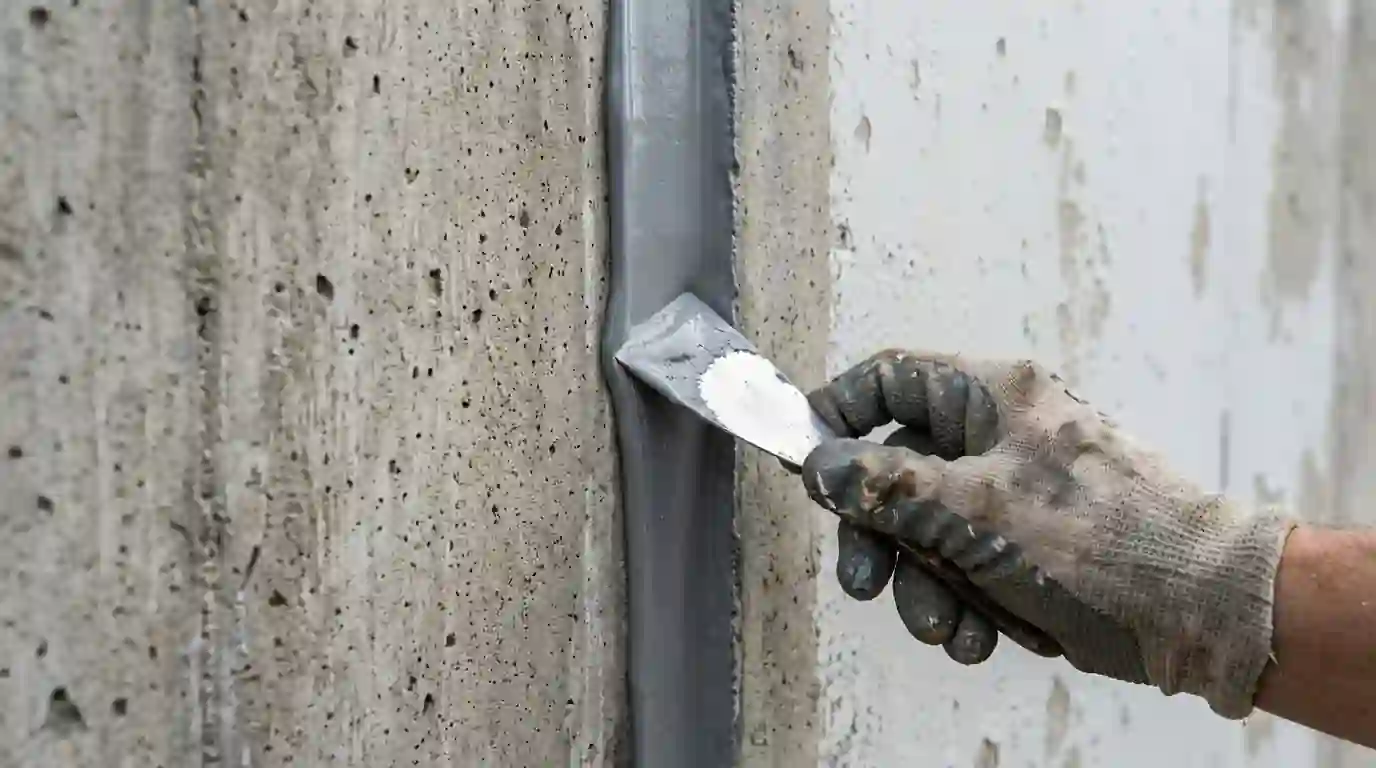
We also deal with the leftover holes from old satellite dishes, light fixtures and security cameras. These are filled, textured and primed, so the wall looks continuous instead of dotted with ghost marks. On homes with foam trim bands or arches, we check for dents and gaps where the foam meets the field stucco and seal them with a flexible sealant before coating. Weep screeds at the base of the wall are left open so moisture can still drain out.
Applying paint to a rough, thirsty surface
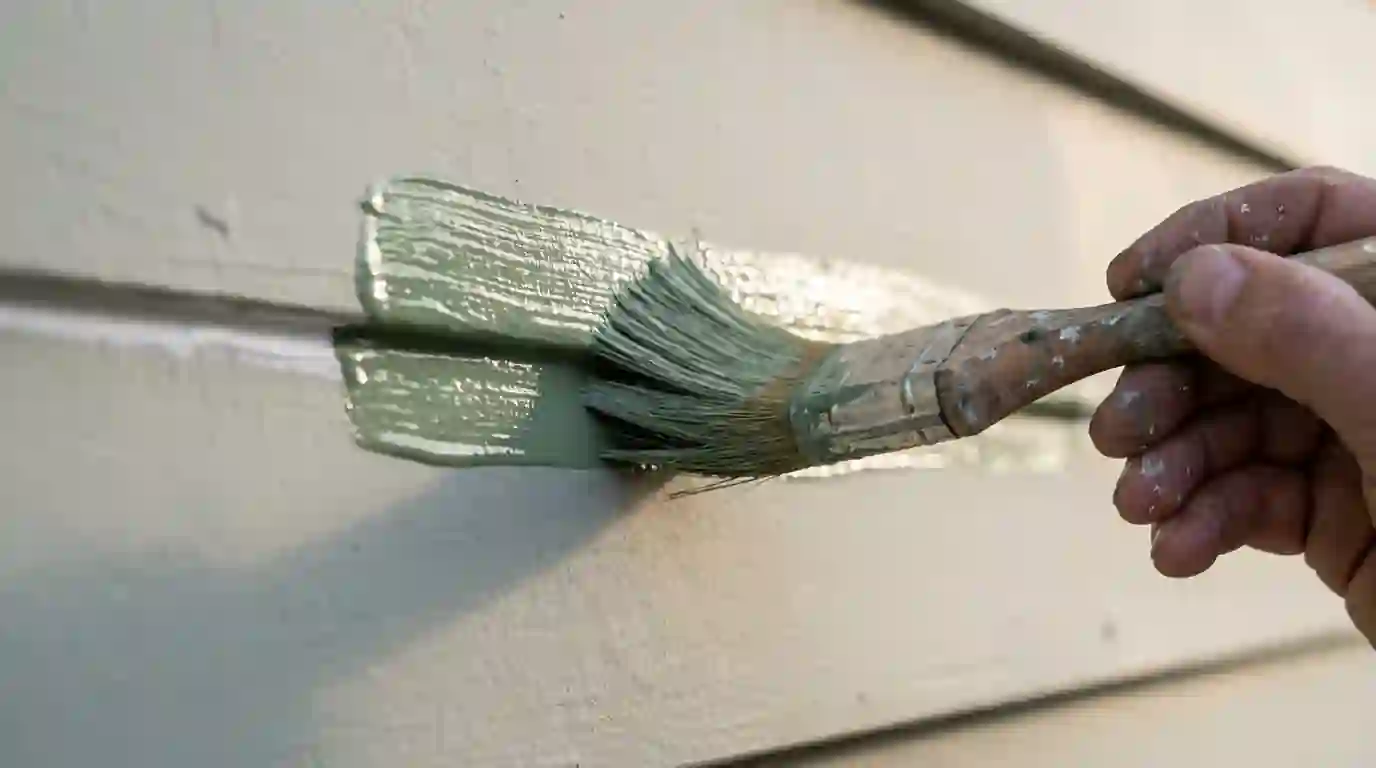
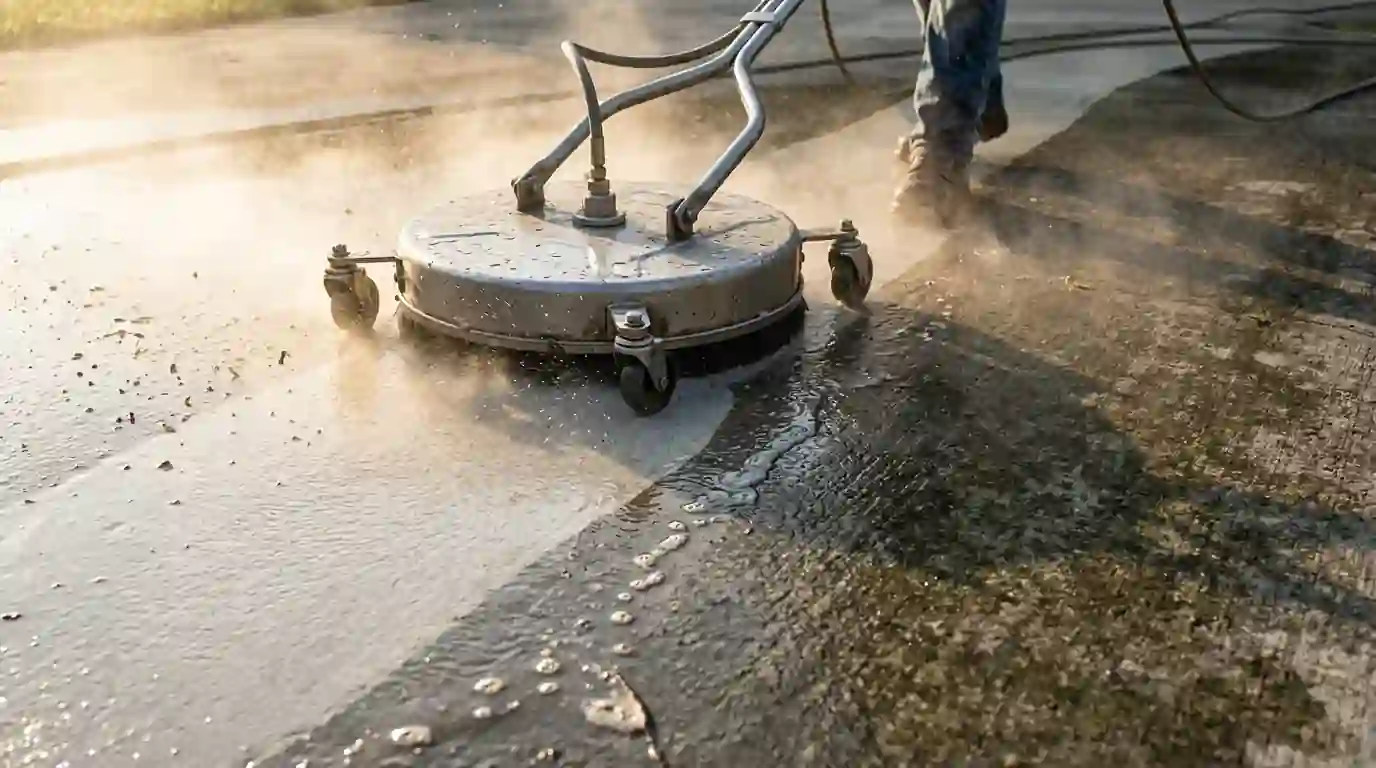
Stucco drinks paint. We start by washing walls with a cleaner and low-pressure rinse to remove chalk, dust and any mildew, then let the wall dry for at least two clear days. Primer goes on next. For the topcoat, we spray and back-roll with a 3/4 to 1-1/4 inch nap roller so material fills every pocket of texture; spraying alone tends to leave pinholes on the shaded side of each grain.
Elastomeric coatings are usually applied in one or two heavy coats to reach their film build, while masonry acrylics go on in two standard coats. Most products need surface temperatures of at least 50F and no rain for 24 hours. Elastomeric can stay soft for a day or more in humid weather, so we keep sprinklers off and avoid scheduling just before a storm line. Coverage is checked with a wet-film gauge on each wall.
Signs it is time for stucco painting
- Diagonal cracks run out from window or door corners
- Rubbing the wall leaves heavy chalk on your hand
- Dark streaks or water stains appear below windowsills after rain
- Patched holes from old fixtures show as smooth blotches
- Paint is peeling or blistering on the sunny side of the house
- Green or black mildew grows on shaded north stucco walls
How we handle stucco painting, step by step
- 1
Crack and moisture survey
We map cracks by width, tap for hollow or loose stucco, check moisture with a meter, and flag any damage that goes beyond a painting repair before quoting the job.
- 2
Wash and dry
Walls are cleaned with a masonry cleaner and low-pressure rinse to strip chalk, dirt and mildew, then left to dry fully, usually two clear days in mild weather.
- 3
Route, fill and texture
Larger cracks are opened, filled with flexible patch, and textured to match. Old fixture holes are filled and blended, and foam trim joints are sealed with flexible sealant.
- 4
Prime
Patched areas and bare stucco get an alkali-resistant masonry primer. Windows, doors, lights, roofing edges and landscaping are masked off before primer or topcoat goes on.
- 5
Spray and back-roll topcoat
We apply elastomeric or masonry acrylic by spray and back-roll to the target film build, working in shade where possible and checking thickness with a wet-film gauge.
- 6
Inspect and walk
Every wall is checked for pinholes and thin spots in angled light, masking is pulled, and we walk the home with you before leaving labeled touch-up material.
Fort Worth conditions that shape stucco painting
Stucco in Fort Worth shows up mostly on newer homes in master-planned neighborhoods, on Mediterranean and Spanish-style houses, and on many commercial buildings along corridors like SH-121 and SH-183. Our expansive clay soils keep those walls moving, which is why stucco cracks here are so common and why flexible coatings make sense. Summer heat makes stucco hot to the touch, so we schedule sunny walls for early hours. Hail rarely damages stucco itself but can crack thin foam trim and chip paint at corners. Wind-driven spring rain is the real test, pushing water into any open crack, so sealing those cracks before painting matters more here than in a drier climate.
Where we offer stucco painting around Fort Worth
Across Fort Worth (76102 and surrounding ZIP codes), including Fairmount, Ryan Place, Mistletoe Heights, Arlington Heights, Tanglewood, Westcliff and other neighborhoods, plus these nearby cities and counties:
- Arlington 76010
- Grand Prairie 75050
- North Richland Hills 76180
- Mansfield 76063
- Euless 76039
- Grapevine 76051
- Bedford 76021
- Keller 76248
- Burleson 76028
- Haltom City 76117
- Hurst 76053
- Southlake 76092
- Weatherford 76086
- Saginaw 76179
- Colleyville 76034
- Benbrook 76126
- Tarrant County 76102
- Denton County 76201
- Johnson County 76031
- Parker County 76086