Homes in Arlington Heights and what they ask of paint
Arlington Heights grew west of downtown along Camp Bowie Boulevard from the 1910s into the 1940s, and its original homes are mostly Craftsman bungalows with deep porches, Tudor Revivals with steep gables and half-timbering, and some Prairie and Colonial Revival houses. Many keep their original wood lap siding, cedar shingle gables and wood windows, all carrying many layers of paint. Inside you'll find plaster on lath, picture rails and wide cased openings. Since the 2000s, older houses have been joined by new two-story builds and garage apartments, so neighboring homes can be a century apart in age and materials.
Lead-safe prep on century-old Arlington Heights siding
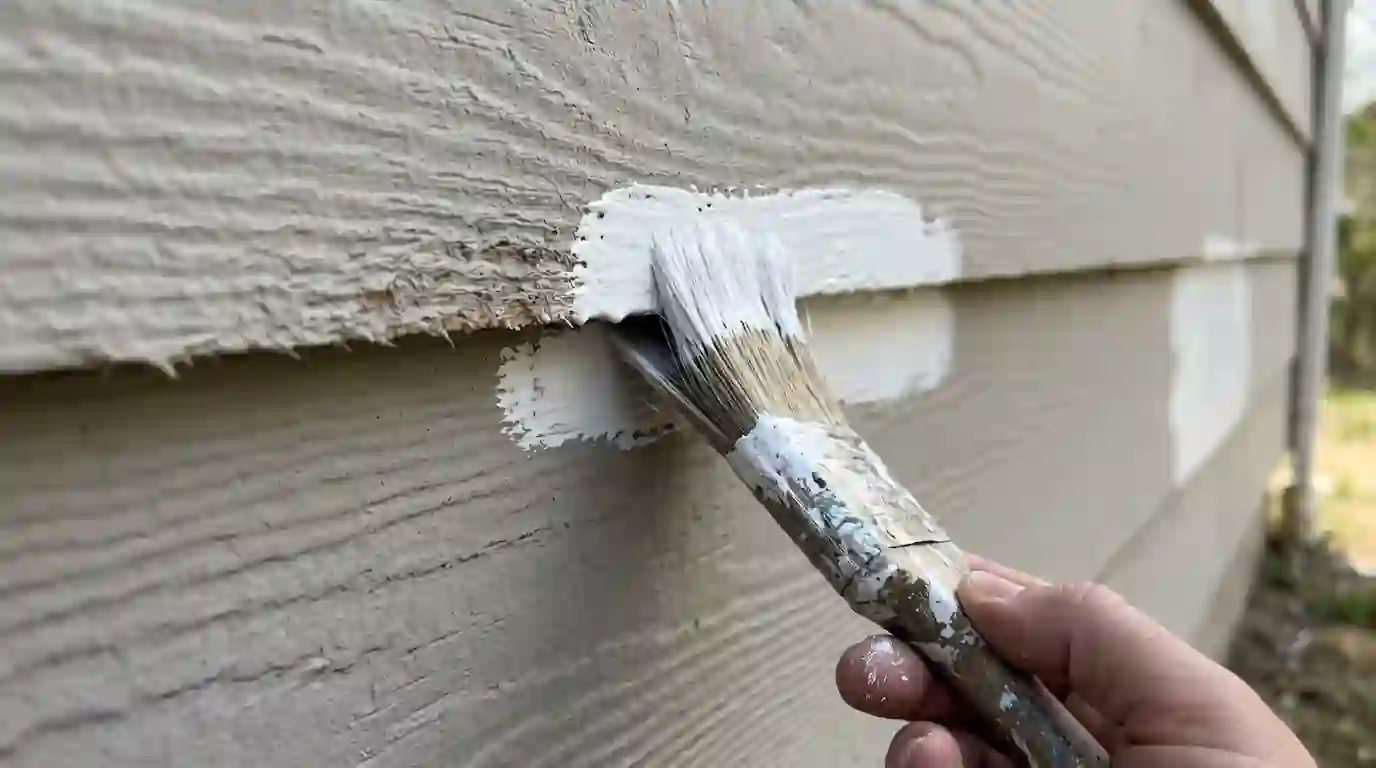
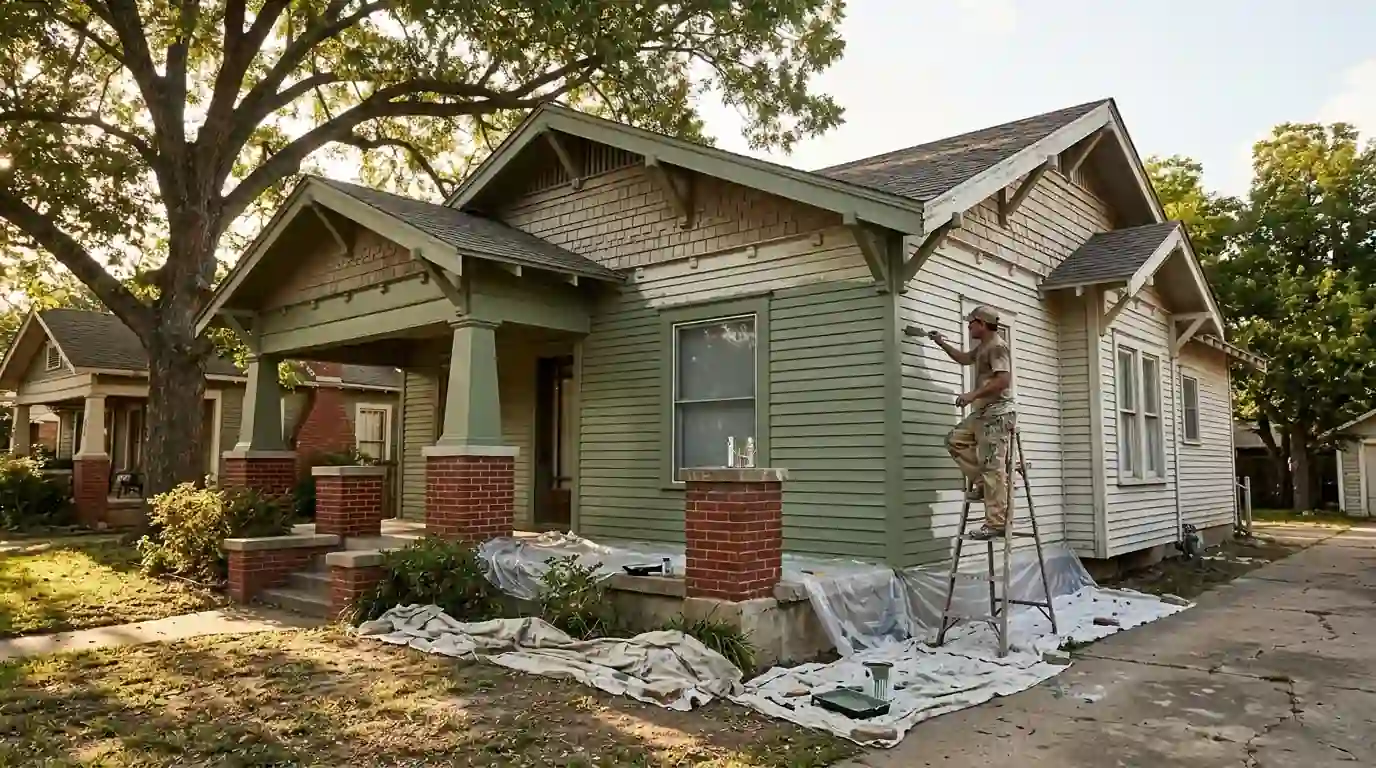
Any home built before 1978 may have lead paint somewhere in its layers, and most original Arlington Heights houses are decades older than that. We test before sanding. Where lead is present, we lay plastic sheeting along the foundation, mist surfaces while scraping, use HEPA-filtered sanders, and collect debris daily so chips don't end up in garden beds or the alley. Neighbors get a heads-up before we start, since work happens close to shared fences and driveways.
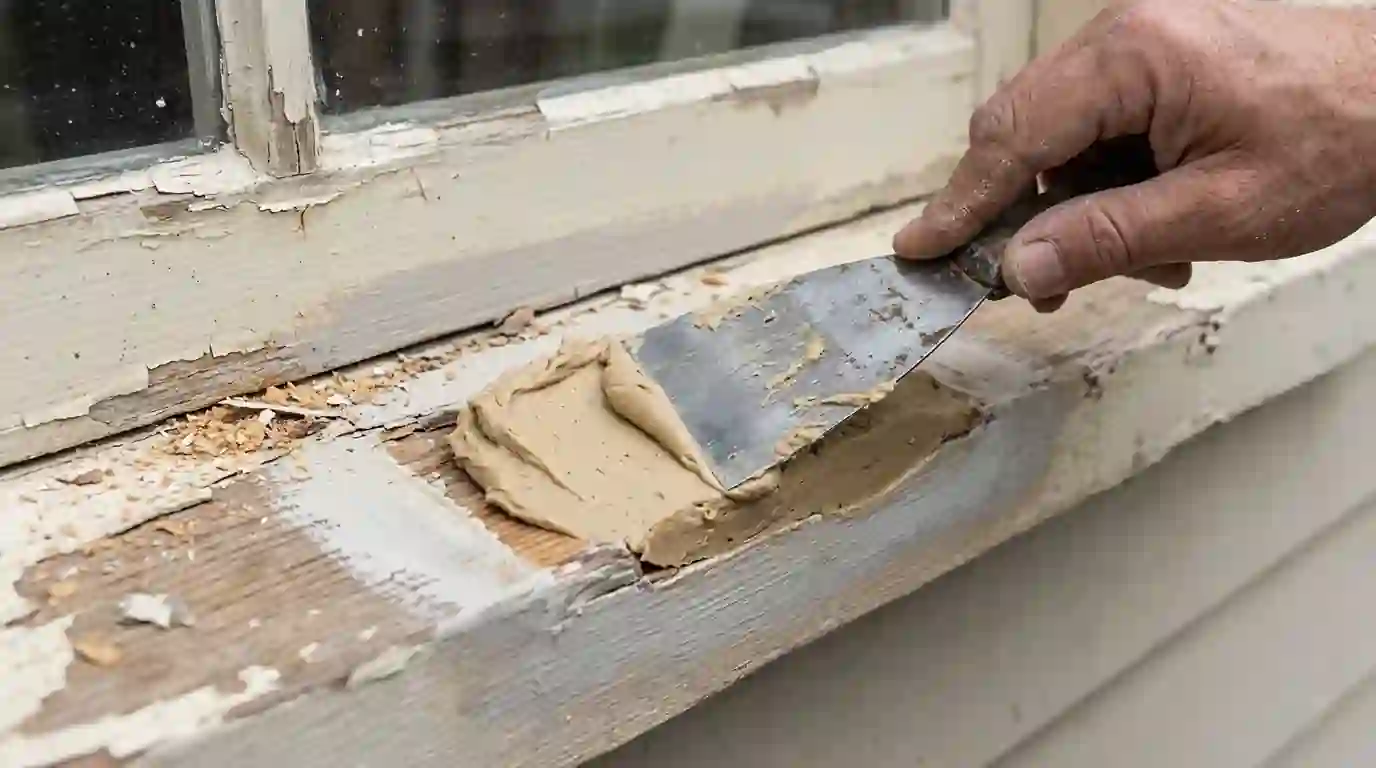
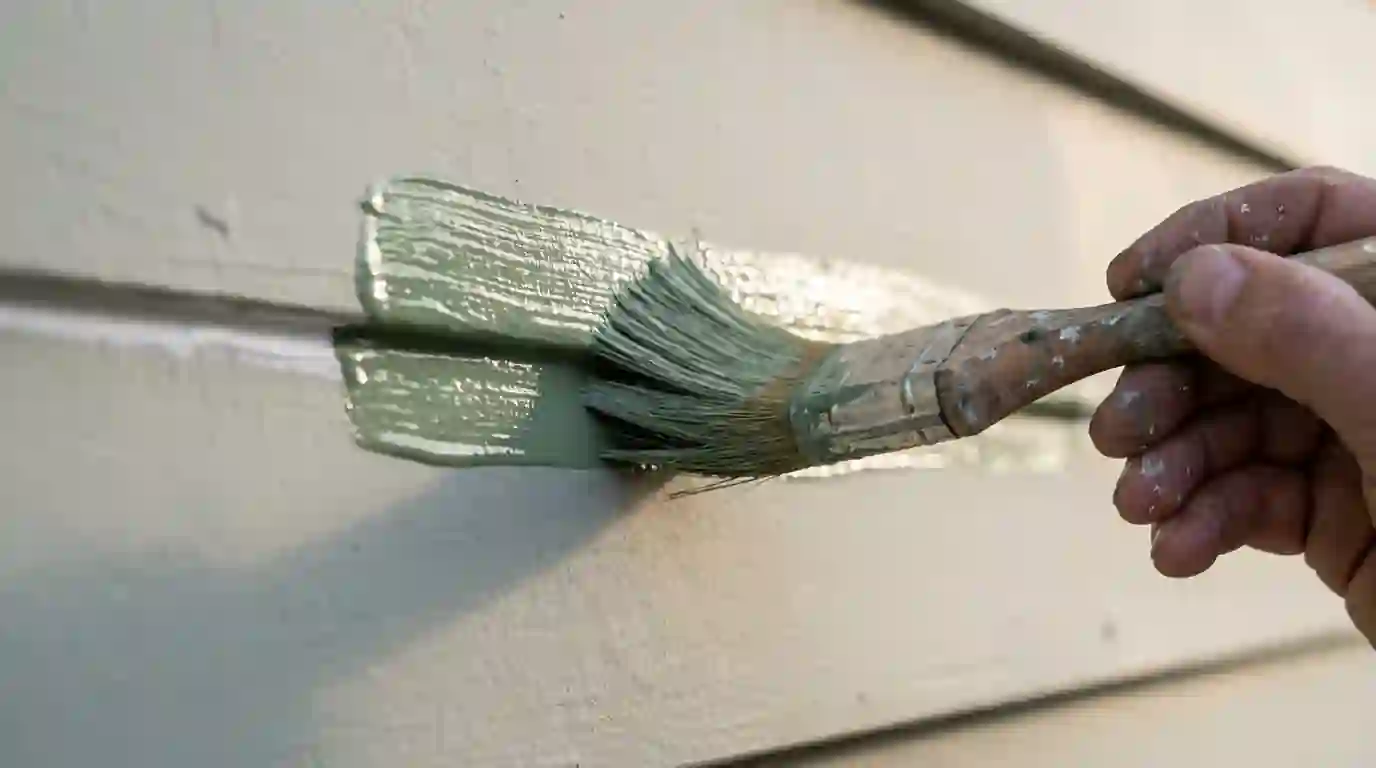
Once the siding is stable, we sand the feathered edges with 80 and 120 grit, spot prime bare wood with an oil-based or high-adhesion exterior primer, and fill nail holes and splits. Old wood absorbs primer unevenly, so we often apply a second spot coat on weathered south walls. Topcoats are a premium acrylic exterior paint in a low sheen that flatters older lap siding. Cedar shingle gables get a solid stain or paint matched to the rest of the scheme.
- Testing before any sanding or scraping
- Plastic ground cover and daily debris cleanup
- HEPA-filtered sanding where lead is found
- Wet scraping instead of dry methods
Taking wallpaper off old plaster without wrecking it
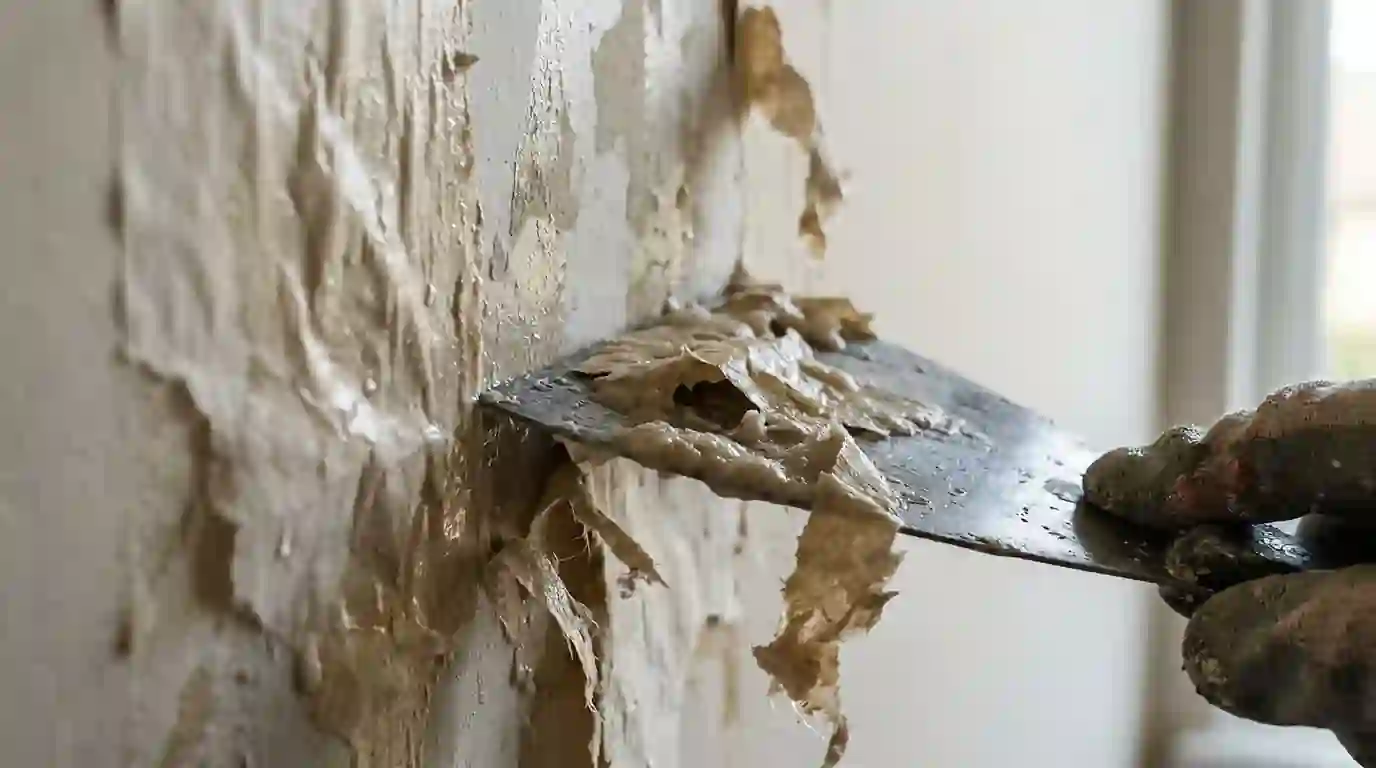
In many Arlington Heights homes we find three or four layers of wallpaper, sometimes painted over, on top of original plaster. We score lightly, soak with a warm enzyme stripper and peel in sections, scraping with a wide blade held flat so it doesn't gouge the plaster. Painted-over paper takes longer, because water has to work through the paint first. We protect wood floors with rosin paper, since stripper water drips more than people expect.
Once the paper is off, we wash away all paste residue, which would otherwise cause new paint to crackle. Plaster cracks get cut out and filled with setting compound, and loose plaster gets reattached with plaster washers before patching. We seal everything with an oil-based or shellac primer, then apply two coats of a washable interior paint. Picture rails and crown stay in place and get cut in by hand.
Matching an old Arlington Heights house to a new addition
When a rear addition or garage apartment goes up behind a 1920s bungalow, the new siding and trim rarely match the old house on their own. We can repaint the original and the new structure together so the body, trim and window colors agree, and we adjust sheen so smooth new fiber-cement doesn't look shinier than weathered wood. Exposed rafter tails and brackets get the trim color on both structures.
Typical exterior repaints of an Arlington Heights bungalow with wood siding run $6,980 to $13,400, depending on paint layers, lead precautions, porch and window detail, wood repair and the size of any addition. That's a typical range, not a quote, and homes needing extensive lead precautions sit toward the top of it. Call us and we'll walk the house with you and write it up.
Streets and places we know in Arlington Heights
- Camp Bowie Boulevard (brick-paved section)
- Arlington Heights High School
- Will Rogers Memorial Center
- Fort Worth Cultural District