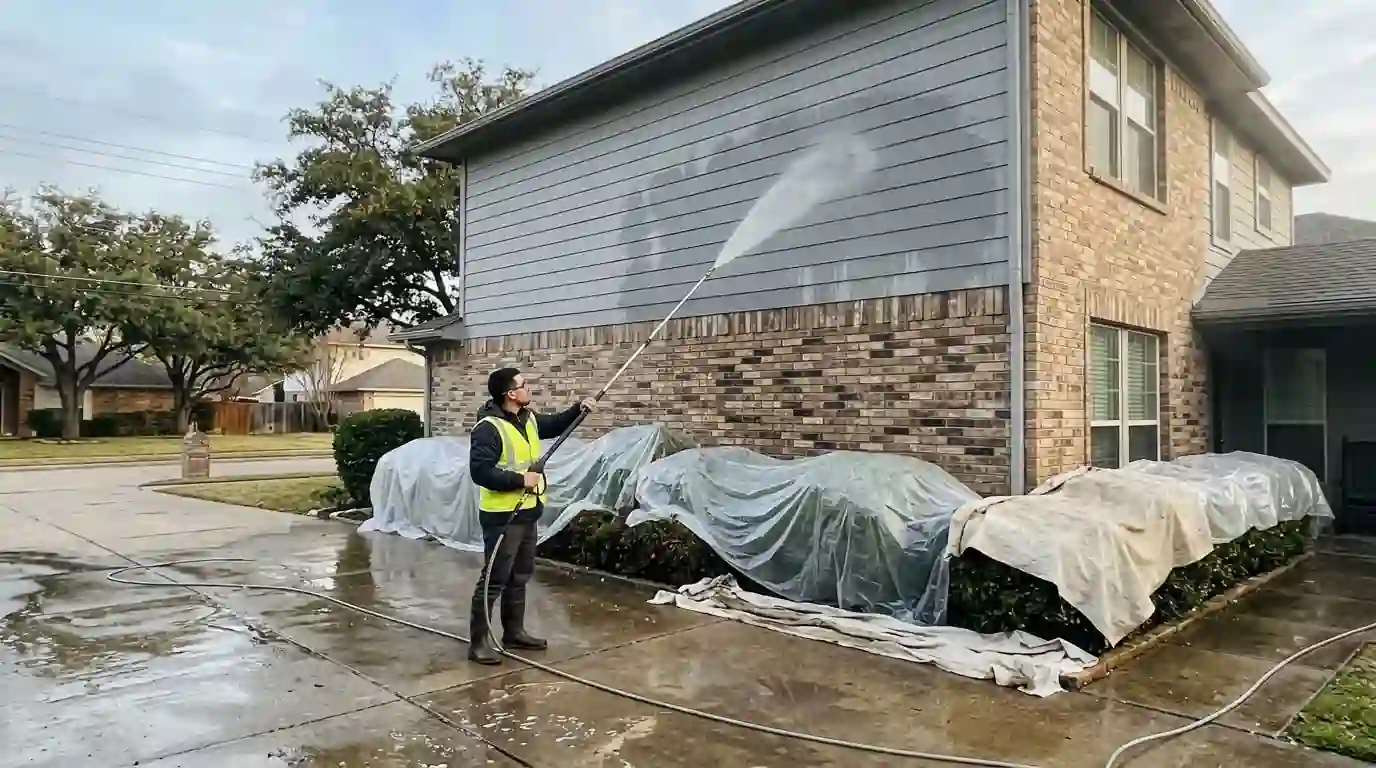
Soft wash or high pressure: which surface gets what
Too much pressure does real damage. A 3,000 psi stream with a narrow tip will furrow soft pine, blow water behind lap siding, strip mortar from older brick and etch stucco. So most of the house gets a soft wash: a cleaning solution applied at low pressure, given about 5 to 10 minutes of dwell time, then rinsed with a wide fan tip held well back from the wall. The solution does the work, not the force.
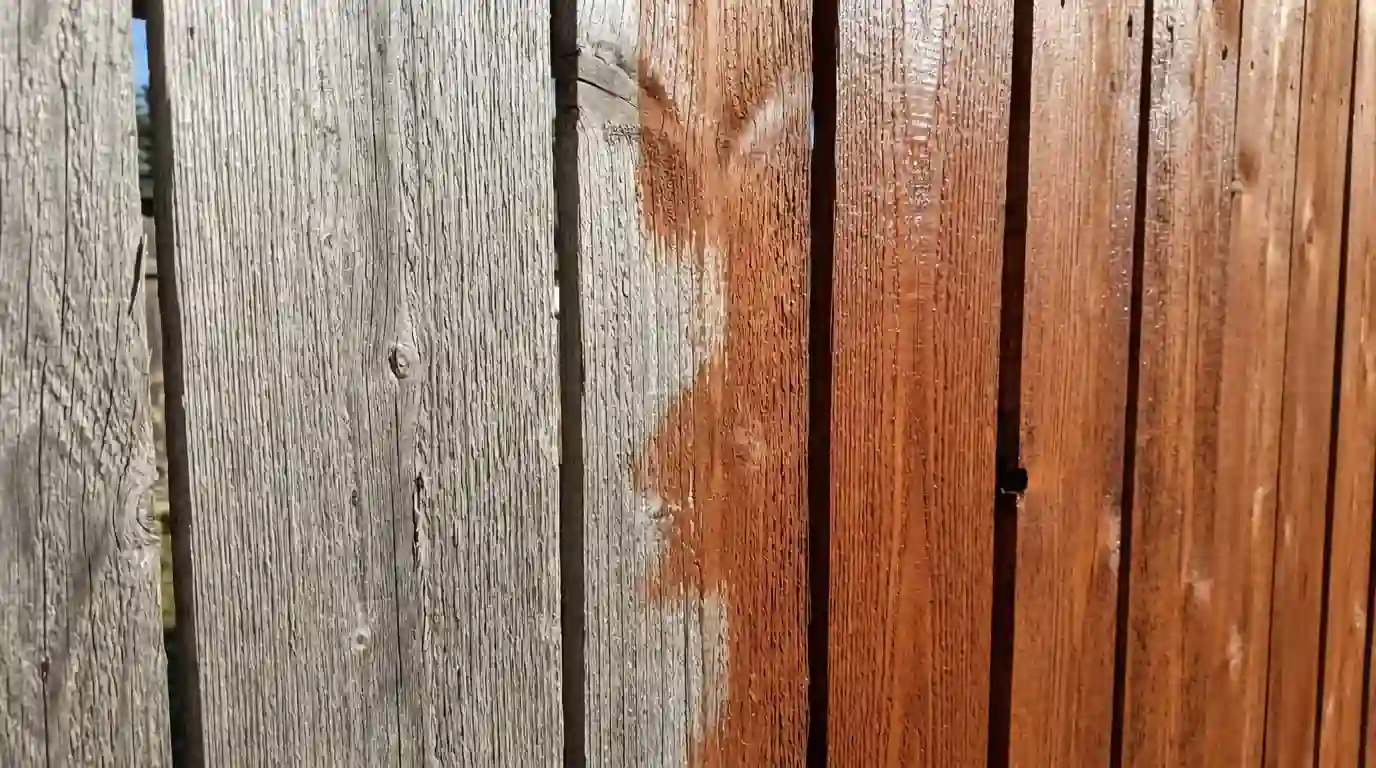
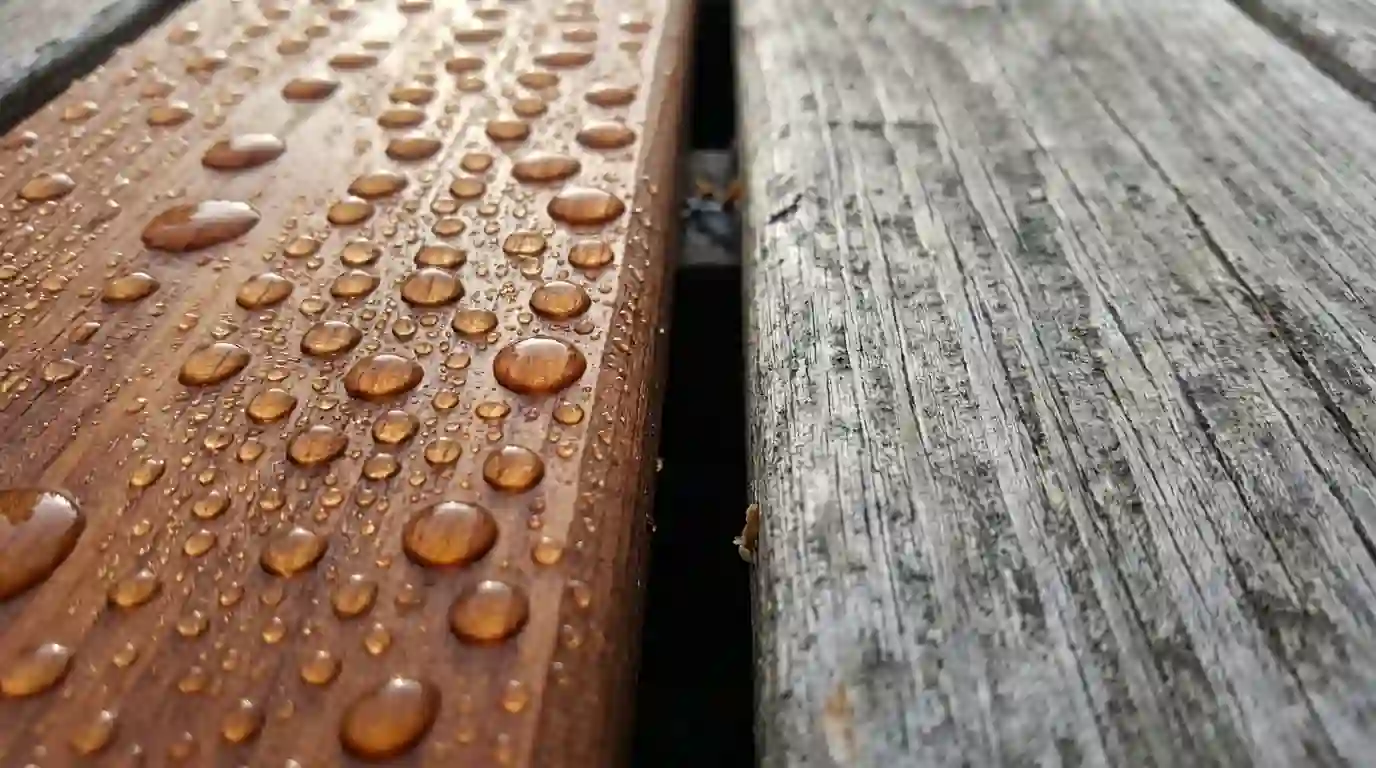
Concrete driveways, walks and sound masonry steps can take higher pressure, usually through a surface cleaner that spins two nozzles under a hood. That keeps the pattern even, so you don't end up with the striped look a hand wand leaves on a large slab. Wood fences and decks sit in between: we use moderate pressure, a wide tip and a wood cleaner, then a brightener if the stain plan calls for one.
- Painted siding and trim: soft wash, low pressure
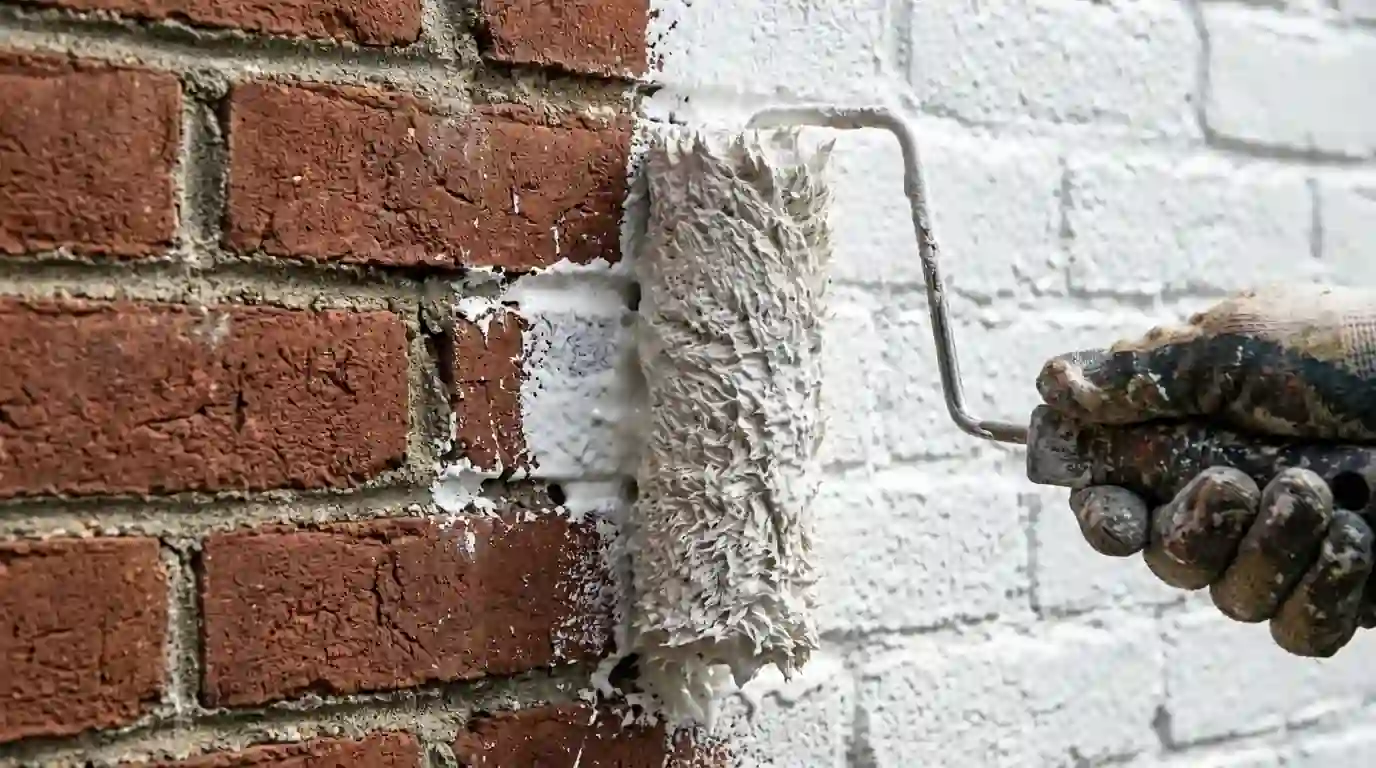
- Brick and stone: soft wash, moderate rinse, no direct blasting at mortar
- Stucco and EIFS: gentle soft wash only
- Concrete: surface cleaner at higher pressure
- Wood fences and decks: wood cleaner, moderate pressure, wide tip
What a proper wash removes before painting
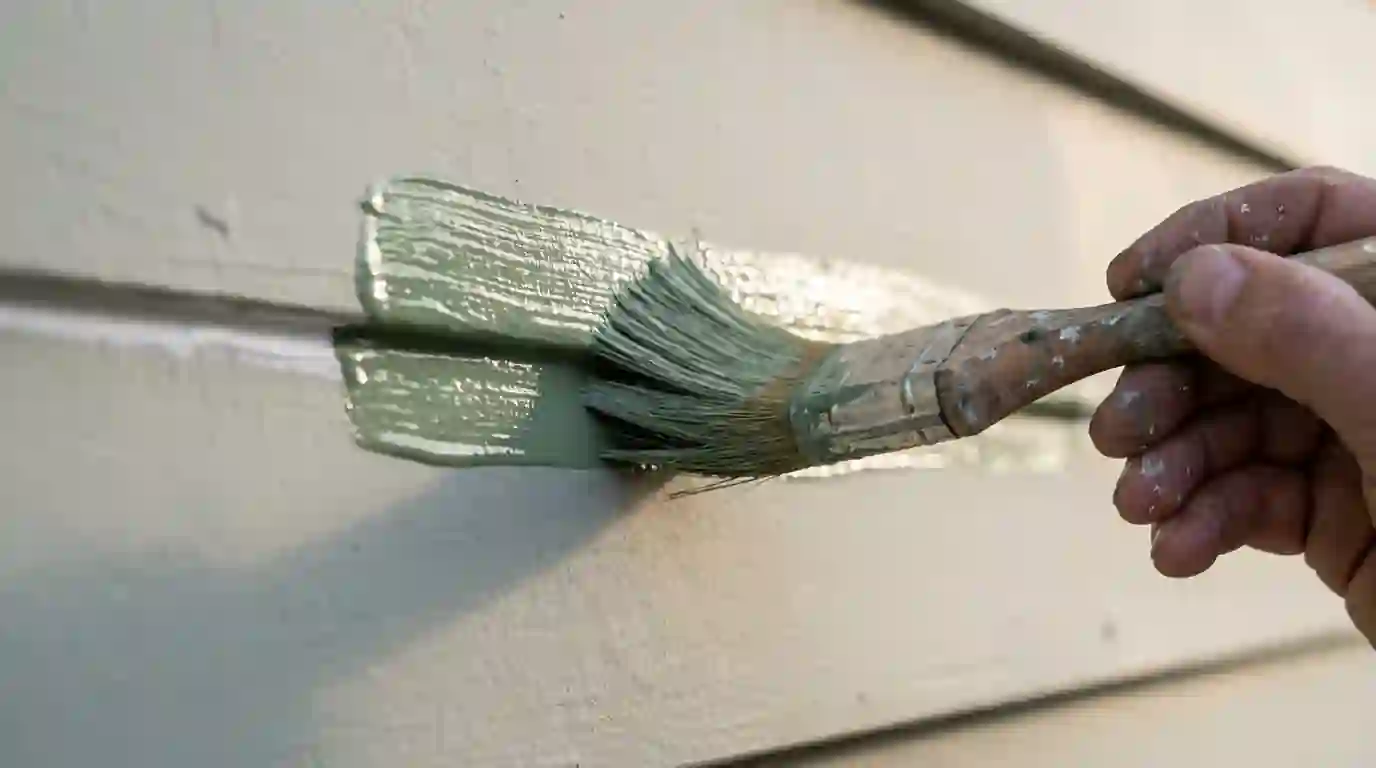
Rub your hand across a sun-facing wall. If it comes away white or pastel, that's chalk, the binder in old paint breaking down under UV. New paint applied over chalk bonds to the powder, not to the wall, and it peels in sheets. Washing removes most of it; on heavily chalked walls we follow up with a bonding primer that's rated for lightly chalked surfaces. We test afterward by wiping a dark cloth across the dry siding.
The wash also clears mildew, which shows up as gray or black speckles on north walls, under eaves and behind shrubs. Painting over live mildew lets it grow right back through the new film. Spider webs, wasp nests in soffits, pollen film in spring and the fine clay dust that coats lower walls after a dry, windy week all come off in the same pass, along with loose paint flakes that are already letting go.
What pressure washing typically costs in Fort Worth
$285 to $690
for a full exterior soft wash of a typical 1,800 to 2,600 sq ft single-story home. Your price comes from a written scope after we see the job.
What moves the number
- Home size and number of stories
- Heavy mildew or algae on shaded walls
- Driveway, walks and patio square footage
- Fence or deck linear footage
- Rust or clay staining that needs a specialty cleaner
- Water access and runoff protection for plants
How long the house needs to dry before paint
Wood and fiber-cement soak up water during a wash, even a gentle one. Painting too soon traps that moisture under the film, which leads to blistering within weeks. On most Fort Worth homes we wait at least 24 hours in warm, breezy weather and closer to 48 hours after a cool or humid spell, and we check trim and siding with a moisture meter before priming begins. Trim boards under gutters and at the base of walls usually dry last.
Brick and stucco hold water longer than wood. On masonry that's being painted or limewashed, we give it a full two days and look for dark, damp patches near the base of walls, where splashback and irrigation keep it wet. Scraping, sanding, caulking and rot repair happen during that drying window, so the schedule doesn't stall. Fiber-cement siding sits in the middle, drying faster than brick but slower than painted pine, so we give it its own check before primer touches it.
Protecting plants, windows and older paint
Before any solution goes on, we soak the beds and shrubs along the foundation with plain water, cover delicate plants, close windows, and tape over exterior outlets and light fixtures. After the rinse we water the beds again to dilute anything that dripped. Pool owners get a heads-up first, since runoff from the deck can affect water chemistry. We also move patio furniture, grills and potted plants away from the walls, and we leave gates closed behind us when pets share the yard.
Homes built before 1978 may have lead in the older paint layers. On those houses we don't blast loose paint off with pressure, which would scatter chips across the yard. We wash gently to clean the surface, lay ground covers, and remove loose paint by wet-scraping and hand-sanding methods that keep debris contained and collected. Chips and dust go into sealed bags, and the ground covers are folded inward at the end of each day so nothing blows into your yard or a neighbor's.
Signs it is time for pressure washing
- White or chalky residue rubs off on your hand from sunny walls
- Gray or black speckles on north walls, eaves or shaded trim
- Green algae film on the shaded side of a wood fence
- Red clay splash staining along the bottom two feet of brick
- Driveway or walk darkened with tire marks, oil spots and mildew
- You are planning to repaint the exterior in the next few weeks
How we handle pressure washing, step by step
- 1
Walk the exterior
We check every elevation for chalk, mildew, loose paint, rot and cracked caulk, note any pre-1978 paint concerns, and pick the cleaner and pressure each surface needs.
- 2
Protect the property
Beds get pre-soaked, delicate plants covered, windows closed, outlets and fixtures taped, and vehicles moved from the driveway so overspray and runoff don't reach them.
- 3
Apply the cleaning solution
We apply a mildewcide cleaner at low pressure, working bottom to top so it doesn't streak, and let it dwell for a few minutes without allowing it to dry on hot walls.
- 4
Rinse top to bottom
A wide fan tip rinses from the roofline down, angled so water runs with lap siding rather than up under it. Concrete and fences are cleaned last with the right tool.
- 5
Rinse plants and inspect
We rewater the landscaping, walk the house again with you, and mark any spots where the wash exposed loose paint, open seams or soft wood that needs repair.
- 6
Dry and move into prep
We wait at least 24 to 48 hours, confirm moisture readings on trim and siding, then start scraping, caulking and priming if painting is part of the job.
Fort Worth conditions that shape pressure washing
Fort Worth homes get dirty in a particular way. Long stretches of summer sun above 100F chalk the paint on south and west walls, while the north sides under live oaks and pecans stay damp enough for mildew. Spring brings heavy oak pollen that coats everything in a yellow-green film, then storms splash clay soil up onto brick and lower siding. Wood privacy fences, mostly pine and cedar, gray and grow algae on their shaded faces. Watering restrictions sometimes limit outdoor water use, so we follow the current city schedule and plan washes accordingly. In July and August we wash early in the day so the cleaning solution never dries in the heat before we rinse it.
Where we offer pressure washing around Fort Worth
Across Fort Worth (76102 and surrounding ZIP codes), including Fairmount, Ryan Place, Mistletoe Heights, Arlington Heights, Tanglewood, Westcliff and other neighborhoods, plus these nearby cities and counties:
- Arlington 76010
- Grand Prairie 75050
- North Richland Hills 76180
- Mansfield 76063
- Euless 76039
- Grapevine 76051
- Bedford 76021
- Keller 76248
- Burleson 76028
- Haltom City 76117
- Hurst 76053
- Southlake 76092
- Weatherford 76086
- Saginaw 76179
- Colleyville 76034
- Benbrook 76126
- Tarrant County 76102
- Denton County 76201
- Johnson County 76031
- Parker County 76086