Which coating system fits tilt-wall, block and metal?
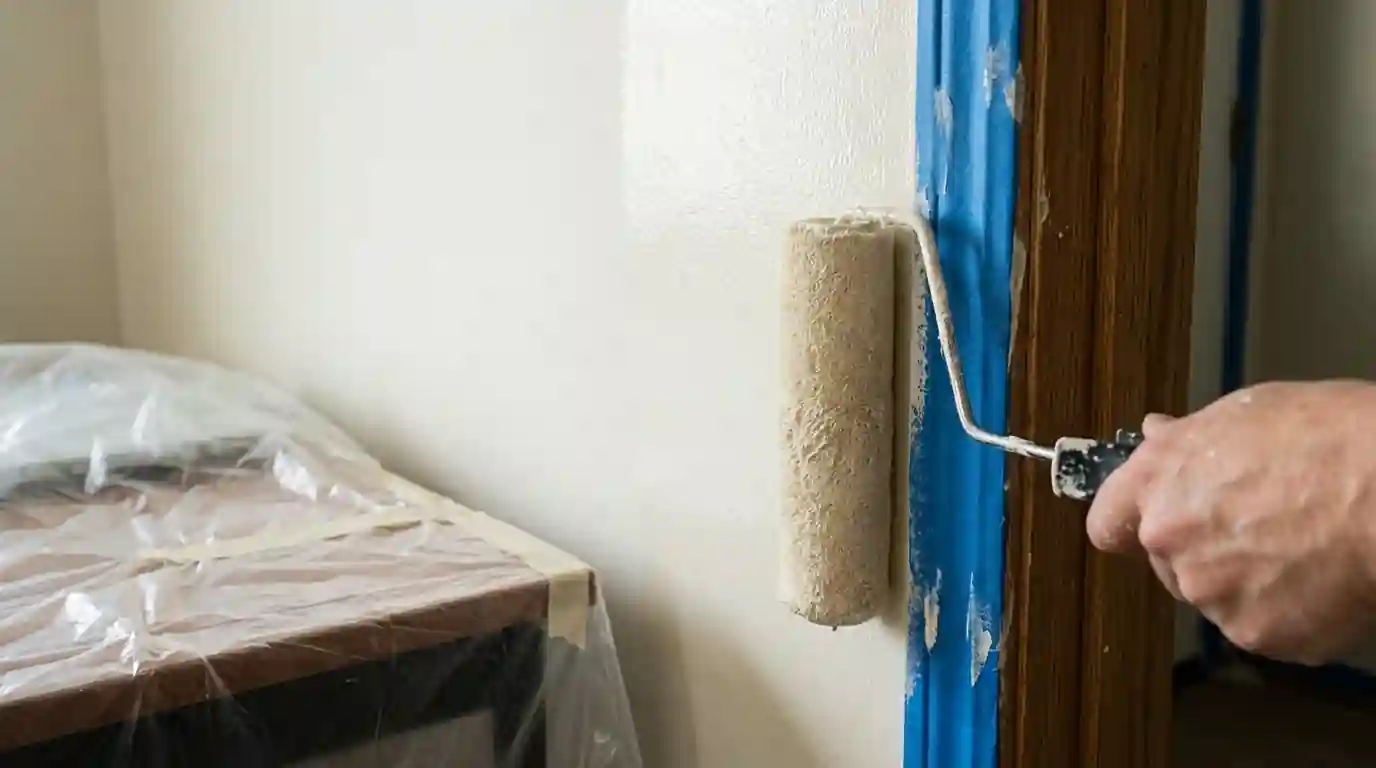
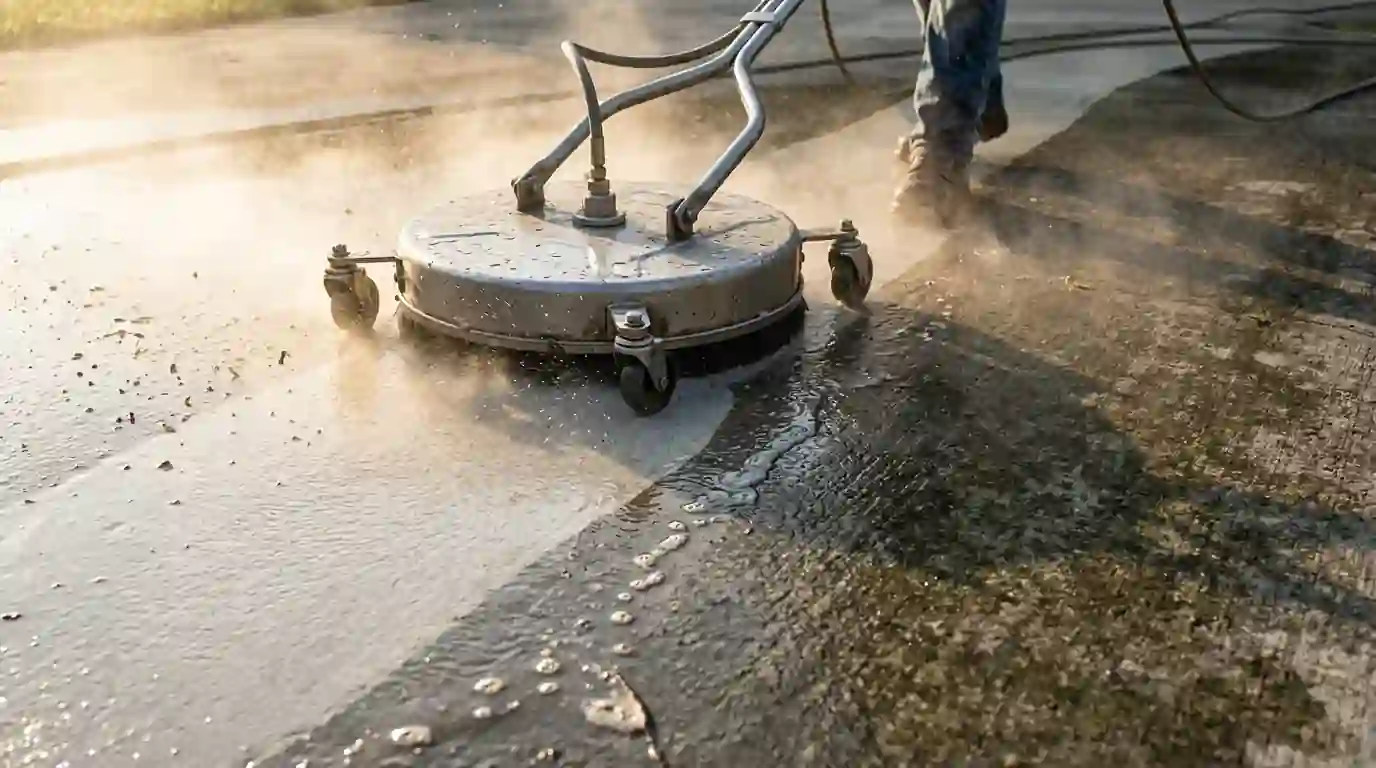
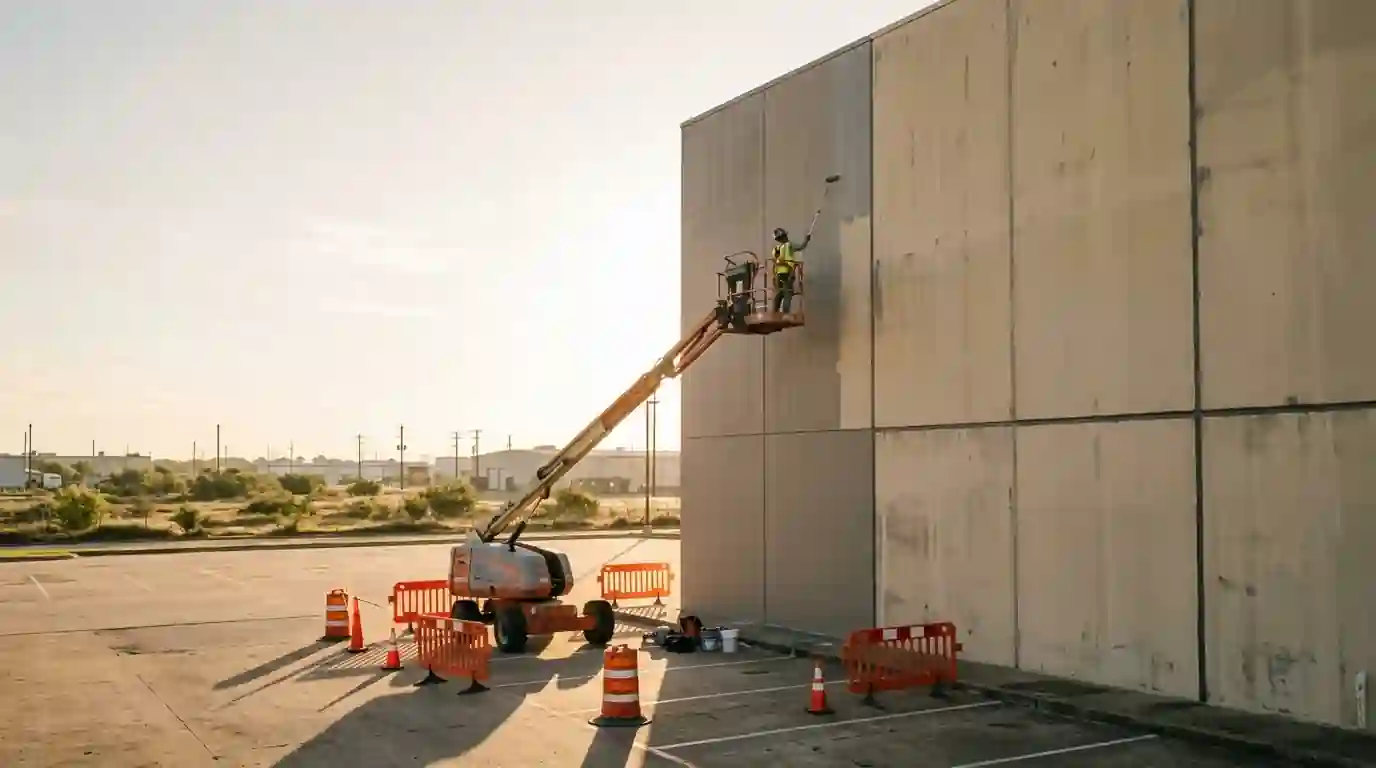
Every commercial exterior is really three or four jobs sharing one address. Tilt-wall concrete panels need a pressure wash, a check for efflorescence, and either a high-build acrylic or an elastomeric topcoat when hairline cracks are showing. Concrete masonry units are porous, so bare or heavily weathered block gets an acrylic block filler squeegeed or back-rolled into the pores before any finish goes on. Skip that step and you'll see pinholes and uneven sheen within a summer.
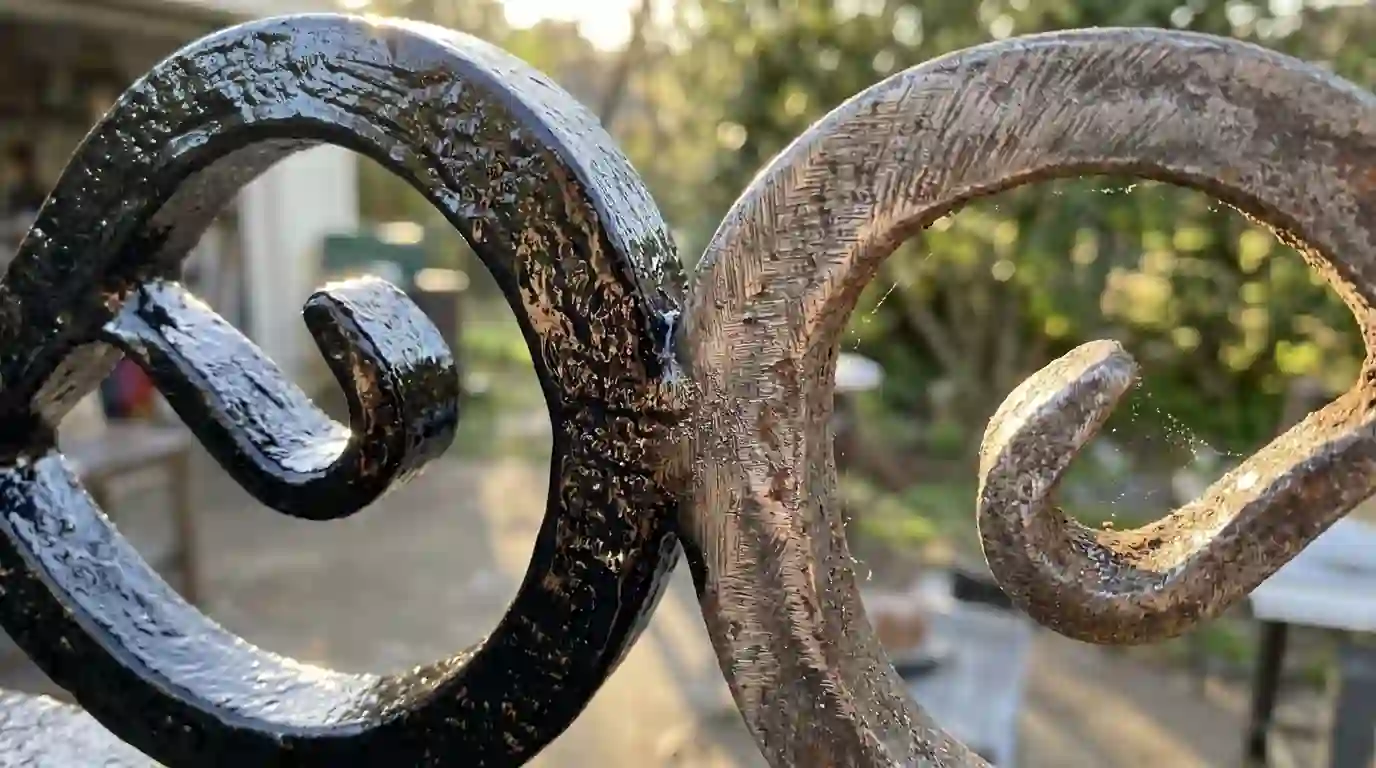
Metal is where most commercial repaints fail early. Hollow metal doors, frames, bollards, gutters, downspouts and canopy fascia get scraped, sanded with 80 to 120 grit, spot primed with a rust-inhibitive primer and finished in a direct-to-metal acrylic or a waterborne alkyd. Galvanized surfaces get cleaned of mill oils first, otherwise the new paint peels in sheets. We write the system for each substrate into the bid so your facilities team knows exactly what is going on the wall.
- Tilt-wall: wash, patch spalls, prime if chalky, two coats acrylic or elastomeric
- CMU block: block filler, then two finish coats
- Hollow metal: rust-inhibitive primer, DTM or waterborne alkyd finish
- Interior drywall: PVA or bonding primer as needed, scrubbable eggshell or satin
Can tenants and customers keep using the building while we paint?
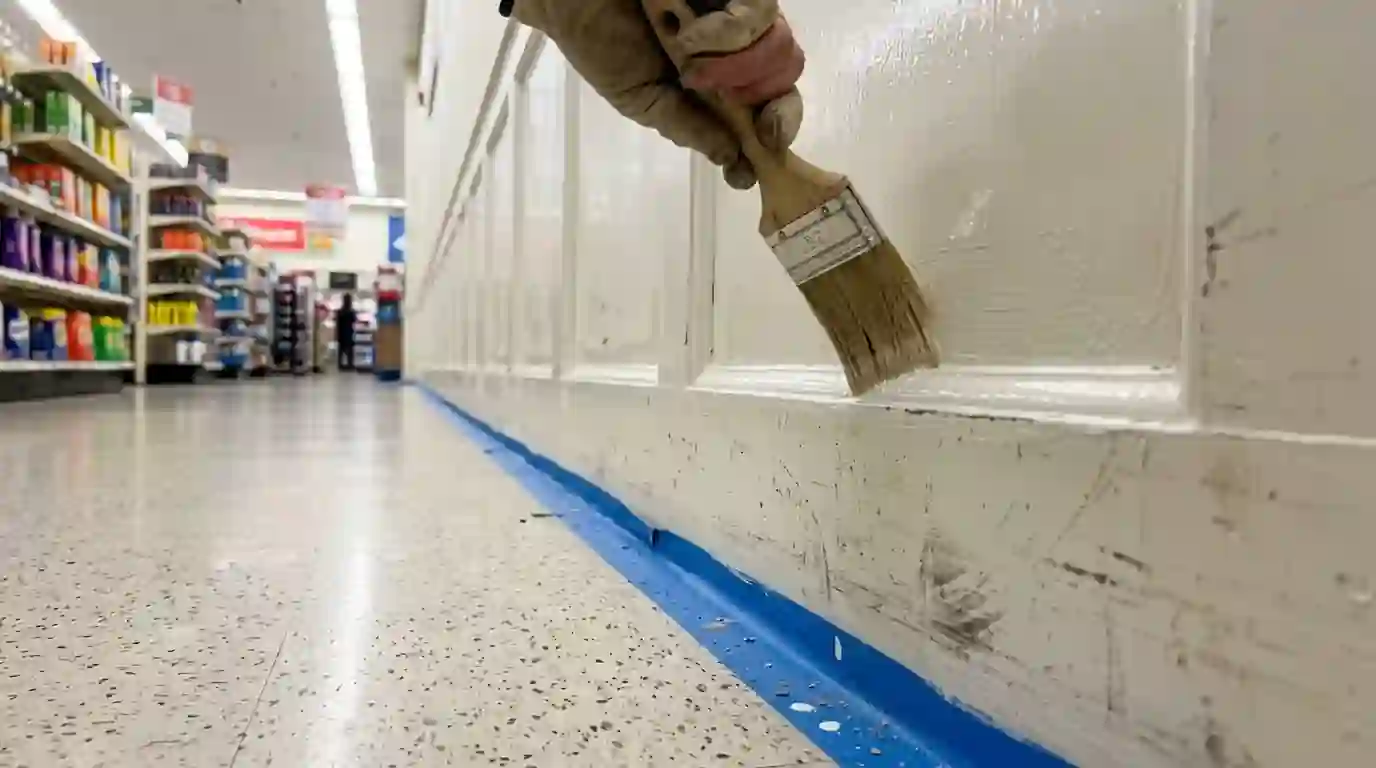
Yes, and planning for that is half the job. Before we start, we walk the property with your manager and mark loading docks, fire lanes, entrances and any tenant who can't tolerate overspray or noise during the day. Lift work near entries usually gets scheduled before opening or after close. Docks get painted on days the tenant tells us are light, and we keep a clear walkway with cones and barricade tape whenever equipment is up.
Interior corridors, lobbies and restrooms are usually done at night or on weekends with low-odor acrylic so the space is dry and ventilated by morning. We keep a running phase schedule you can forward to tenants, and our crew leads check in with on-site staff at the start of each shift. If a tenant asks us to pause, we move to another elevation and come back, which keeps the overall timeline intact.
What commercial painting typically costs in Fort Worth
$0.95 to $2.65 per square foot
of exterior wall surface on a typical one or two-story tilt-wall or block building. Your price comes from a written scope after we see the job.
What moves the number
- Wall height and lift or swing-stage access
- Linear feet of panel joint sealant replaced
- Bare block that needs filler before paint
- Chalking, peeling or failed prior coatings
- After-hours or weekend work windows
- Number of hollow metal doors and canopies
- Tenant coordination and phasing requirements
Why panel joints and cracks decide how long the paint lasts
On tilt-wall and precast buildings, the sealant in the panel joints usually fails before the paint does. Fort Worth heat bakes it hard, the panels move with the seasons, and water starts tracking in behind the coating. Painting over split or debonded joints just hides the problem for a year. We cut out failed sealant, install new backer rod where the gap needs it, and gun in a paintable polyurethane or hybrid sealant before the topcoat.
Cracks get sorted by size. Hairline cracks can bridge under a properly applied elastomeric at the right film thickness, often 15 to 20 dry mils across two coats. Wider cracks get routed and filled first. Spalled concrete at corners or around dock bumpers gets patched with a cementitious repair mortar and allowed to cure before primer. That repair line shows up in the bid by linear foot, not buried in a lump sum.
What a commercial bid from us spells out
Comparing commercial bids is hard when one contractor writes two lines and another writes two pages. We list the surfaces by elevation, the product category and sheen for each, the number of coats, target film thickness where it matters, the access equipment, the sealant footage and the working hours. If your building has an existing color spec or a corporate standard from a franchisor or landlord, we price to that spec instead of guessing.
We also note what we are not including, such as roof coatings, parking lot striping or sign removal, so nobody is surprised on the final invoice. Product data sheets and safety data sheets go to your facilities contact before mobilization. During the job, you'll get photos of prep, sealant work and finished elevations, which is useful for your records and for any owner who doesn't visit the site. Leftover paint gets labeled by color and area before we leave.
Signs it is time for commercial painting
- Your hand comes away white or tan after rubbing the south wall
- Panel joint sealant is cracked, gapped or pulling away from the concrete
- Hollow metal doors and frames show rust bleeding at the bottom edges
- Previous paint is peeling in sheets from galvanized canopies or gutters
- Water stains or efflorescence appear below windows and at panel bases
- A new tenant or owner wants the building brought up to a current color standard
How we handle commercial painting, step by step
- 1
Site walk and access plan
We walk every elevation with your property manager, note substrates and failures, and mark fire lanes, docks and entries so lift placement and tenant traffic are planned before pricing.
- 2
Written system and phase schedule
The bid lists each surface, coating system, sheen, sealant footage and working hours. Once approved, we send a phase schedule your manager can forward straight to tenants.
- 3
Wash, repair and seal
We pressure wash, let walls dry at least 24 to 48 hours, patch spalls, route cracks and replace failed panel joint sealant before any primer goes on the building.
- 4
Prime and spot-prime
Chalky tilt-wall gets a masonry conditioner, bare block gets filler, and rusted metal gets a rust-inhibitive primer. Primer stays inside the temperature range on the data sheet.
- 5
Finish coats by elevation
We spray and back-roll walls or roll by hand near entries, brush doors and frames, and check film thickness with a wet mil gauge as each elevation goes up.
- 6
Walk-through and closeout photos
Your manager walks the building with our crew lead, we finish the punch list, remove barricades, and send a photo set plus the product list for your maintenance file.
Fort Worth conditions that shape commercial painting
Fort Worth is hard on commercial exteriors. West and south walls on warehouses along I-35W, I-20 and Loop 820 take full afternoon sun for months, and the surface temperature of dark tilt-wall can run far above the air temperature. We schedule those elevations for the morning in July and August so paint doesn't flash dry and lap. Spring hail chips paint off metal canopies, downspouts and dock doors, which then rust quickly. Expansive clay soil moves slab edges and opens cracks at panel bases and around storefront frames. Winds across open lots also push overspray farther than you'd expect, so we watch gusts closely and switch to rolling near parked cars. Planning for the weather is the difference between a repaint that lasts and one that chalks out early.
Where we offer commercial painting around Fort Worth
Across Fort Worth (76102 and surrounding ZIP codes), including Fairmount, Ryan Place, Mistletoe Heights, Arlington Heights, Tanglewood, Westcliff and other neighborhoods, plus these nearby cities and counties:
- Arlington 76010
- Grand Prairie 75050
- North Richland Hills 76180
- Mansfield 76063
- Euless 76039
- Grapevine 76051
- Bedford 76021
- Keller 76248
- Burleson 76028
- Haltom City 76117
- Hurst 76053
- Southlake 76092
- Weatherford 76086
- Saginaw 76179
- Colleyville 76034
- Benbrook 76126
- Tarrant County 76102
- Denton County 76201
- Johnson County 76031
- Parker County 76086