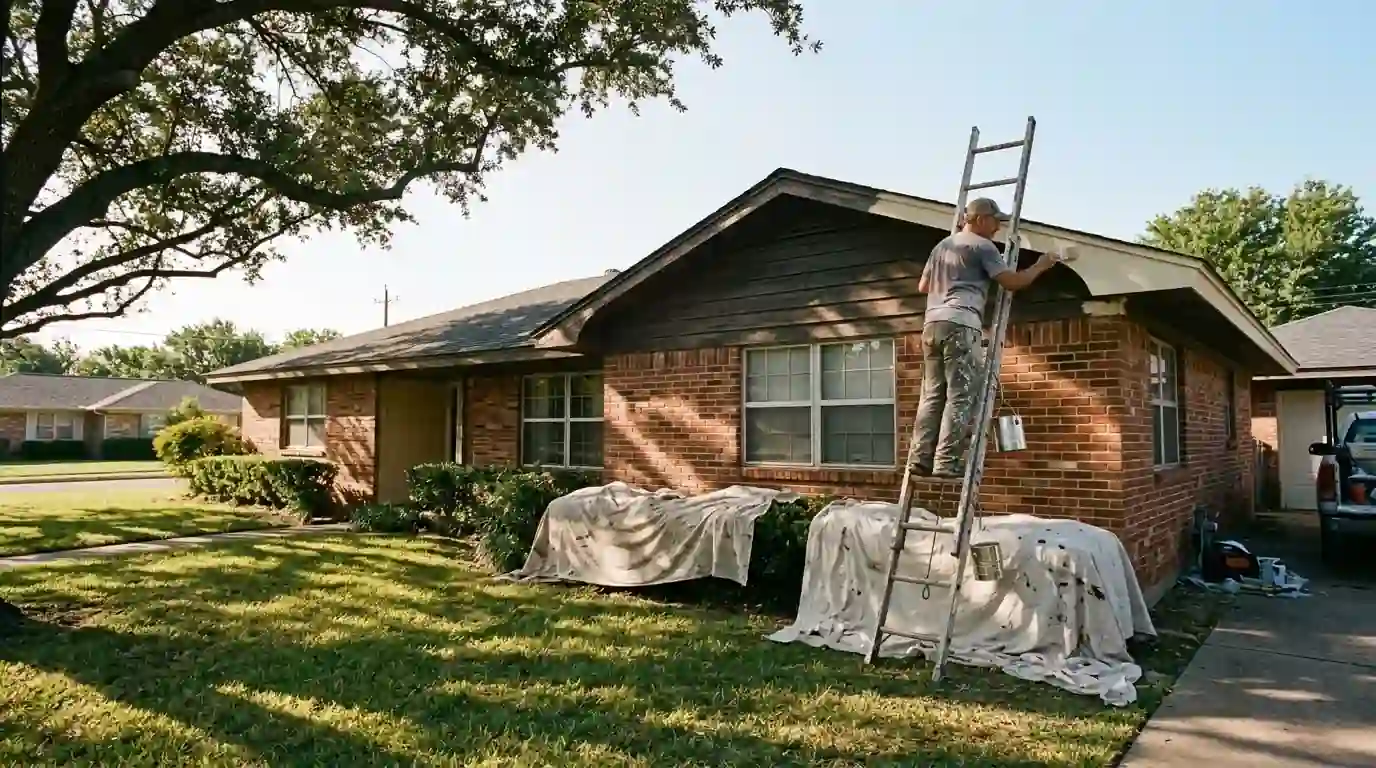
What a Fort Worth exterior repaint actually covers
Most homes we paint around Fort Worth are a mix of surfaces: brick veneer on the lower story, fiber-cement or wood lap siding on gables and second floors, wood fascia, vented soffits, and a front door that takes the afternoon sun. Each surface gets its own treatment. Siding and trim get a 100% acrylic topcoat, metal flashing gets a bonding primer, and raw wood gets an exterior oil or acrylic primer before any color goes on. We walk the house with you first and mark what's included, so the scope isn't a surprise halfway through.
Brick that has never been painted usually stays unpainted unless you ask otherwise. Painting it is a separate decision with its own prep and breathability concerns, and we'll talk it through honestly rather than folding it into the trim job by default. The same goes for stone accents, vinyl windows and aluminum gutters: we list each one on the scope sheet as painted, cleaned only or left alone. That written list keeps the price honest and gives you a clear picture of what the house will look like when the ladders come down.
Why prep decides how many summers the paint lasts
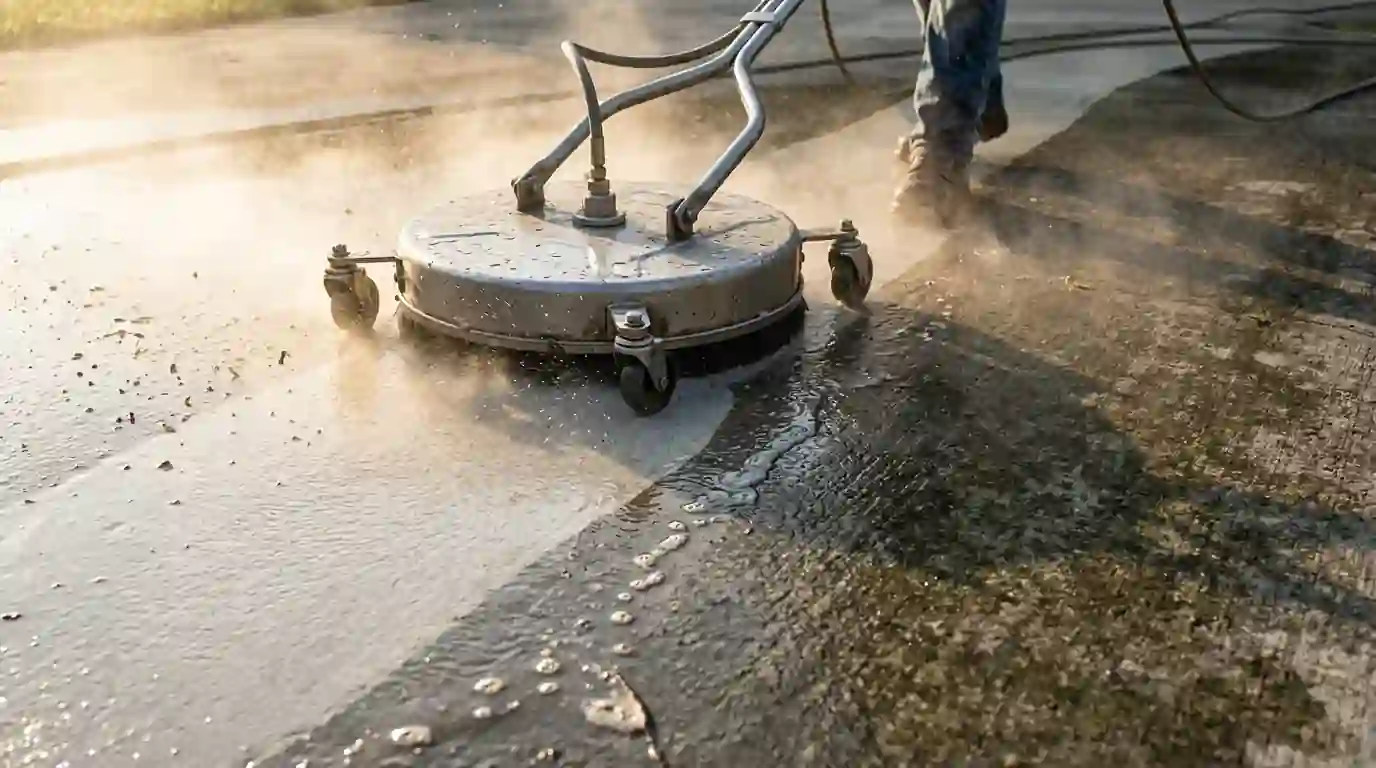
Paint fails at the bond, not on the surface. If the old coat is chalking, new paint sticks to the chalk and lifts with it. So we wash every wall with a house-wash solution and a low-pressure rinse, then let the siding dry for at least 24 hours. Loose paint comes off with carbide scrapers, edges are feathered with 80-grit and then 120-grit paper, and bare wood is spot-primed the same day so it doesn't soak up dew overnight.
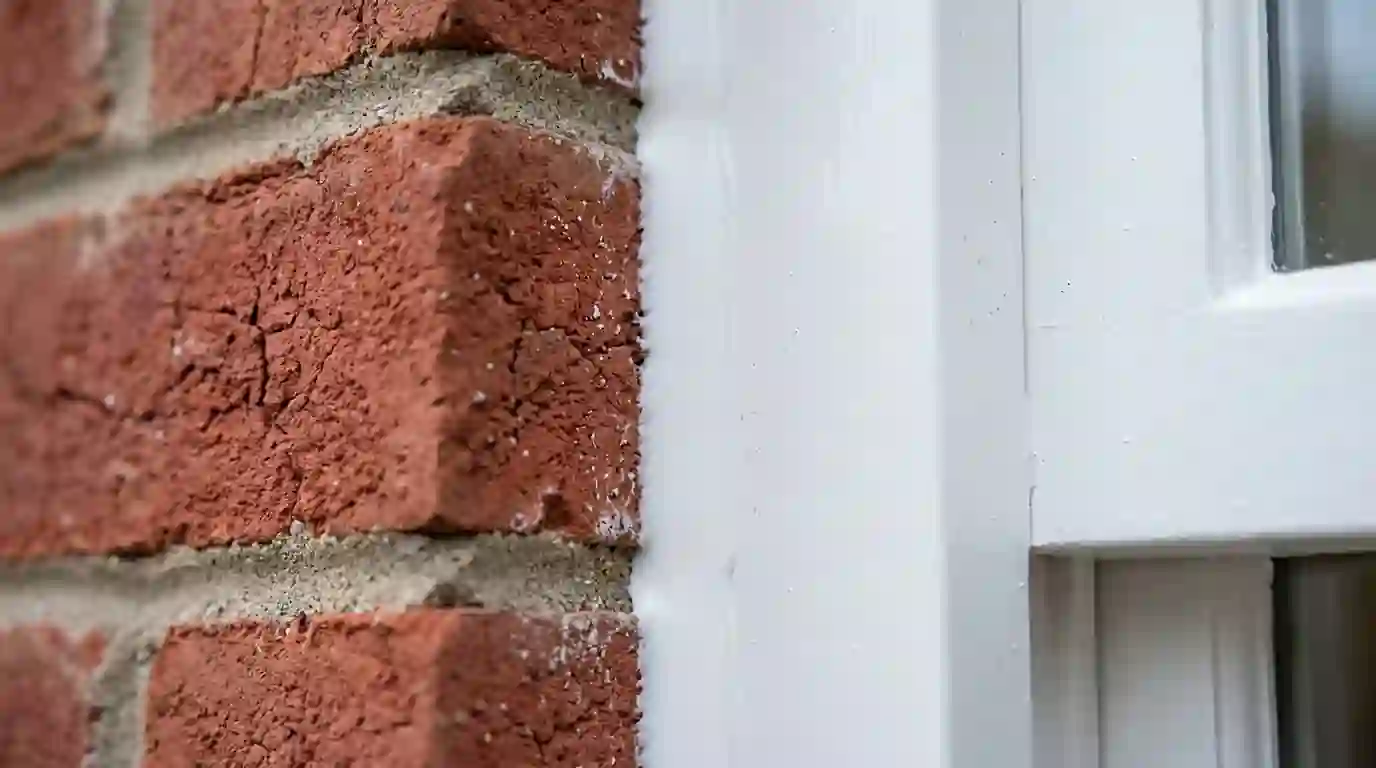
Caulk is the other half. Clay-soil movement pulls trim away from brick and opens butt joints in lap siding, so we cut out cracked caulk instead of smearing new bead over old. Gaps wider than a quarter inch get backer rod first, then an elastomeric or high-grade siliconized acrylic sealant rated for exterior movement. We tool each bead flat so it sheds water, then give the sealant its listed skin time, often 30 minutes to a few hours, before paint goes over it.
- Low-pressure wash with a mildew-killing house wash
- Scrape, sand and feather every failed paint edge
- Spot-prime bare wood and rusted nail heads
- Remove and replace split caulk joints
- Mask windows, fixtures, plants and walkways
What exterior house painting typically costs in Fort Worth
$3,850 to $11,400
typical range for a 1,600 to 3,200 sq ft home, not a quote. Your price comes from a written scope after we see the job.
What moves the number
- Square footage and number of stories
- Share of painted siding versus unpainted brick
- Amount of peeling paint to scrape and feather
- Rotted trim or siding boards needing replacement
- Color change that needs a third coat
- Ladder access over pools, slopes or tight side yards
Which exterior paints hold color on a south-facing Texas wall?
We use premium 100% acrylic exterior paint from brands like Sherwin-Williams, Benjamin Moore or PPG, chosen for UV resistance and flexibility. Acrylic stays elastic as siding expands at 140F surface temperatures in July and contracts on a 30F January night. Cheaper vinyl-acrylic blends get brittle faster and tend to crack along board edges. Higher-grade lines also carry more binder and better pigments, so deep colors like navy or charcoal keep their depth longer before the sun bleaches them toward a dusty, washed-out version of the swatch.
Sheen matters too. Satin on siding sheds dust and pollen better than flat and hides fewer flaws than gloss, so it's a sensible middle. Trim and doors usually get semi-gloss for washability. Two full coats are standard. Each coat should reach the manufacturer's recommended wet film thickness, usually around 4 to 5 mils, and we check it with a wet-film gauge on wide walls rather than guessing by eye. Thin coats are the most common reason a fresh exterior looks tired after only three summers.
How we schedule around heat, wind and spring storms
Exterior paint wants surface temperatures roughly between 50F and 90F, low wind and no rain for several hours after application. In Fort Worth that means we follow the shade. East walls get painted in the afternoon, west walls in the morning, and in July and August crews start at first light and stop well before peak heat on sunny faces. Painting a hot wall makes the film skin over too fast and can trap solvent that blisters later.
Most acrylics are dry to the touch in about an hour and ready to recoat in four, but cool, humid mornings stretch that window. If a spring storm line is coming, we hold the topcoat rather than risk rain spotting. A typical single-story home takes four to six working days with weather allowances included. Two-story homes with heavy trim detail can run eight or nine days. We keep you posted on any weather pause so you aren't left wondering why the ladders sat still on a cloudy Tuesday.
Picking exterior colors that suit brick and HOA rules
Many Fort Worth homes have brick with red, buff or mottled brown tones, and the trim color has to work with that brick, not fight it. We brush large sample swatches on the actual wall in both morning and afternoon light, because a gray that reads cool at 9 a.m. can turn green next to orange brick at 4 p.m. If your neighborhood has an HOA, we'll match the approved palette and keep the color names and sheen on hand for the architectural review submission.
Signs it is time for exterior house painting
- Your fingers come away white or colored after rubbing the siding
- Paint is curling or flaking on the south and west walls
- Caulk joints at trim corners have split or pulled away
- Bare gray wood shows on fascia boards or window sills
- Hail left chips and dings across the siding after a spring storm
- The trim color has faded noticeably next to protected areas under eaves
How we handle exterior house painting, step by step
- 1
Walkthrough and scope
We walk every elevation with you, note rot, failed caulk and peeling areas, confirm which surfaces get painted and agree on colors and sheens before any date is set.
- 2
Wash and dry
Walls, trim and soffits get a mildew-killing house wash and a low-pressure rinse. We then wait at least a full day so moisture leaves the wood before scraping and priming.
- 3
Scrape, repair and caulk
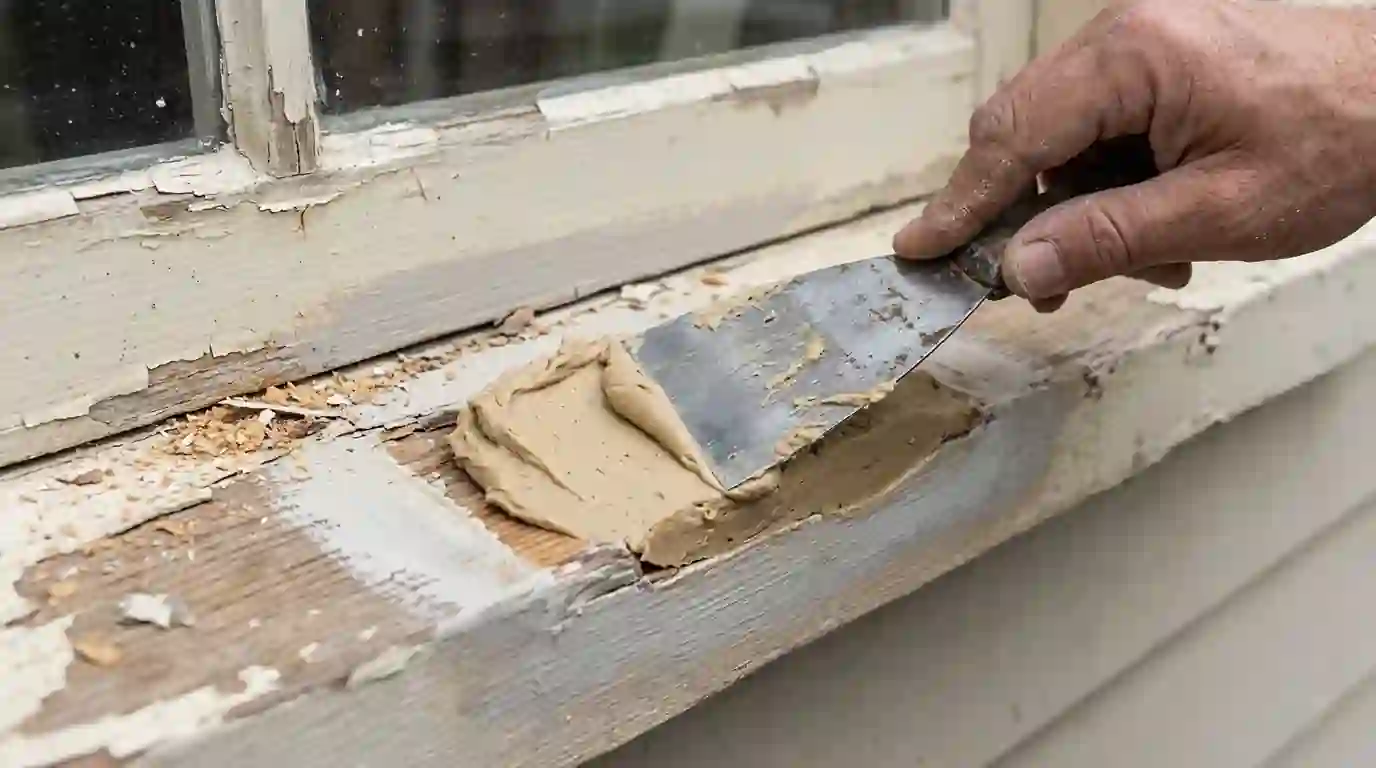
Loose paint is scraped and feathered, rotted boards are cut out and replaced, nail heads are set and spot-primed, and every cracked caulk joint is removed and resealed.
- 4
Prime and protect
Bare wood and repairs get exterior primer, metal gets a bonding primer, and windows, fixtures, plants and hardscape are covered with plastic, paper and drop cloths.
- 5
Two finish coats
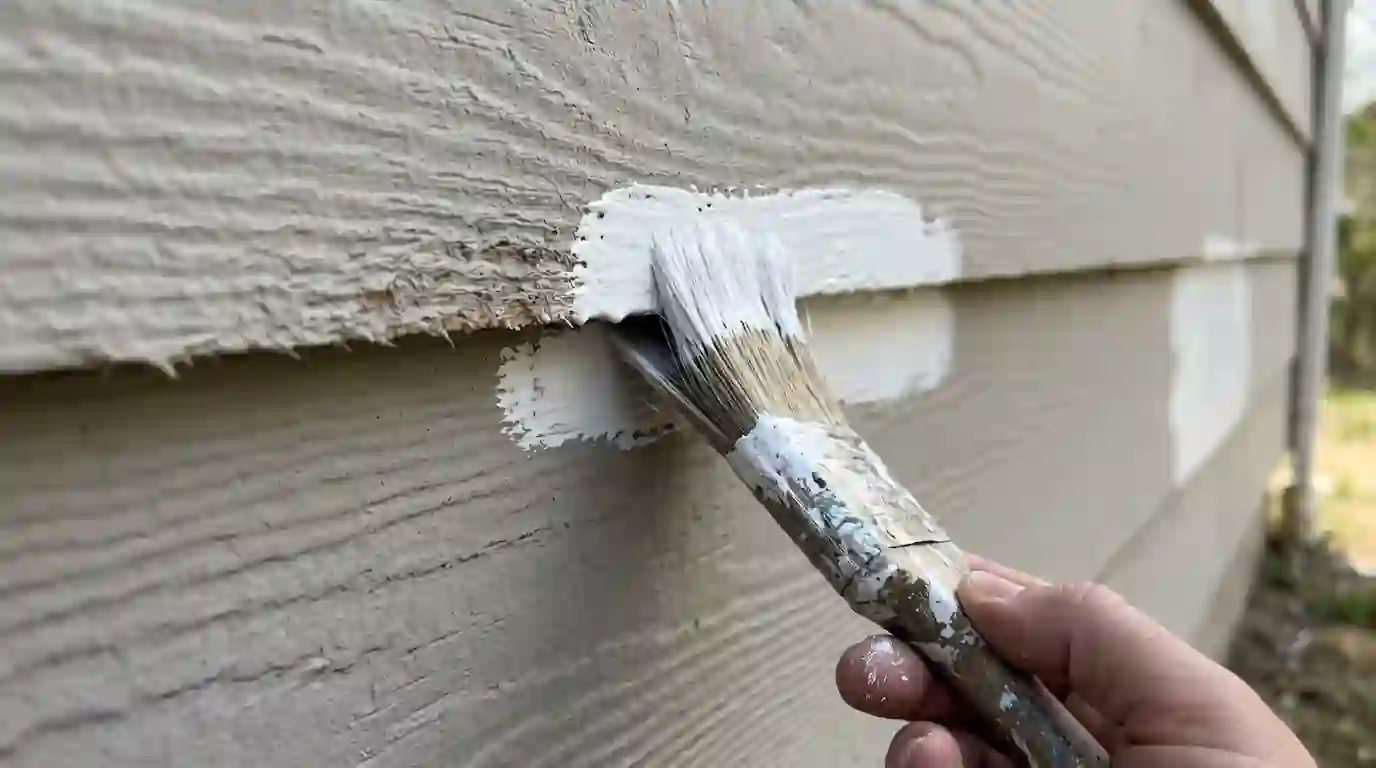
We apply two coats of 100% acrylic exterior paint, following the shade around the house and respecting recoat times so each coat cures properly before the next.
- 6
Final walk and touch-up
We walk the house with you, mark any misses with blue tape, fix them the same day, pull all masking, and leave labeled leftover paint for future touch-ups.
Fort Worth conditions that shape exterior house painting
Fort Worth exteriors take a beating from four directions. Summer UV chalks paint on south and west walls far faster than north faces, and surface temperatures on dark siding can climb past 140F. Spring hail chips trim and dents metal, while wind-driven rain finds every open caulk joint. Expansive clay soil keeps foundations moving, which slowly opens gaps where trim meets brick. That's why we use flexible acrylic paints, replace caulk instead of covering it, and schedule painting by sun exposure rather than by convenience. Older homes in Fairmount and Arlington Heights add lead-era layers and wood siding, while newer suburbs in north Fort Worth bring fiber-cement and HOA color rules into the plan.
Where we offer exterior house painting around Fort Worth
Across Fort Worth (76102 and surrounding ZIP codes), including Fairmount, Ryan Place, Mistletoe Heights, Arlington Heights, Tanglewood, Westcliff and other neighborhoods, plus these nearby cities and counties:
- Arlington 76010
- Grand Prairie 75050
- North Richland Hills 76180
- Mansfield 76063
- Euless 76039
- Grapevine 76051
- Bedford 76021
- Keller 76248
- Burleson 76028
- Haltom City 76117
- Hurst 76053
- Southlake 76092
- Weatherford 76086
- Saginaw 76179
- Colleyville 76034
- Benbrook 76126
- Tarrant County 76102
- Denton County 76201
- Johnson County 76031
- Parker County 76086