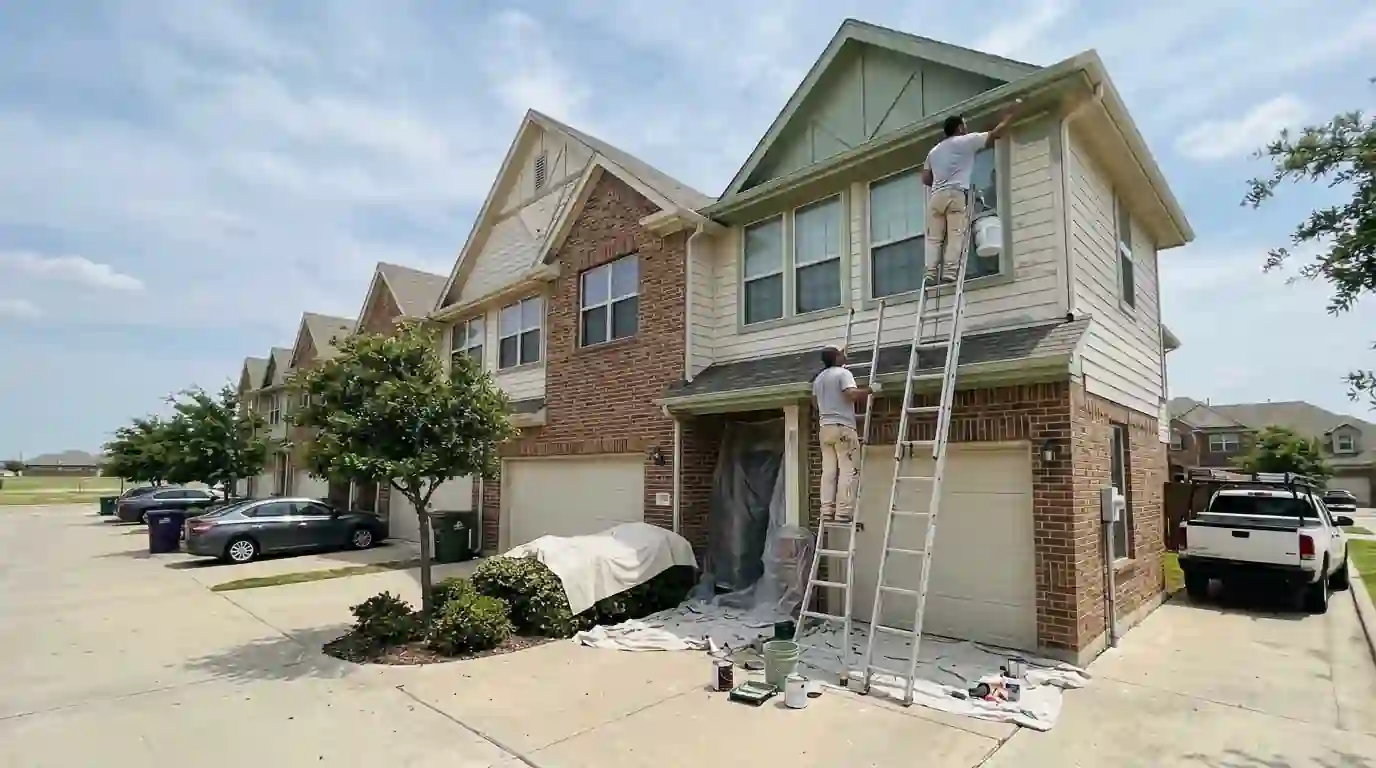
Bids a board can actually compare
Board members are volunteers, and most of them aren't painters. When three bids arrive in three different formats, the cheapest one often wins by default, and the scope differences show up later as change orders. We write HOA bids by building or by unit, with separate lines for washing, wood replacement allowances, caulking, primer, body color, trim color, doors and common elements. Each line notes the product category, sheen and number of coats, which makes side-by-side comparison much easier.
We also state the unit prices for extra wood replacement, so the board knows what happens if we open a fascia board and find more rot than expected. If your management company has a bid template or reserve-study line items, we'll fill those in exactly. We're glad to attend a board meeting or a walk with the architectural committee to answer questions in person, and we'll provide product data sheets for the board's records.
Working within the approved palette and the architectural committee
Most Fort Worth area HOAs, especially in established communities like Summerfields, Park Glen and Heritage and the newer master-planned neighborhoods north and south of the city, have an approved color palette. Sometimes that palette is two decades old and the original paint line has been discontinued. In that case, we color-match the existing palette at the paint store, paint sample boards and large wall patches, and let the committee approve the matches before any building is painted.
If the board wants to refresh the palette, we can help with that process too. We'll suggest three or four coordinated schemes that suit the brick and roof colors already on the buildings, paint sample sections on a real building in full sun and shade, and leave them up long enough for residents to see them at different times of day. The committee picks, and we document the final codes and sheens for future touch-ups.
- Color-match legacy palettes when the original line is discontinued
- Large sample patches on south and north elevations
- Written color schedule by surface for the management file
- Leftover paint labeled by building and color for maintenance
What HOA & community painting typically costs in Fort Worth
$2,450 to $5,300 per unit
for a typical two-story townhome exterior repaint within an HOA-managed community. Your price comes from a written scope after we see the job.
What moves the number
- Number of colors in the approved palette
- Two or three-story building heights
- Wood rot at fascia, trim and garage jambs
- Garage doors and entry doors in scope
- Common-area fencing and amenity buildings
- Number of phases and resident notice cycles
Phasing so homeowners know what to expect
Nobody likes a surprise ladder outside their bedroom window. We phase HOA repaints by building cluster or street, usually eight to twenty units at a time, and provide the management company a notice for each phase that covers dates, sprinkler shutoffs, moving patio furniture and potted plants, pet precautions and garage door scheduling. Homeowners get a reminder the day before their building starts and a short heads-up the day garage doors are painted.
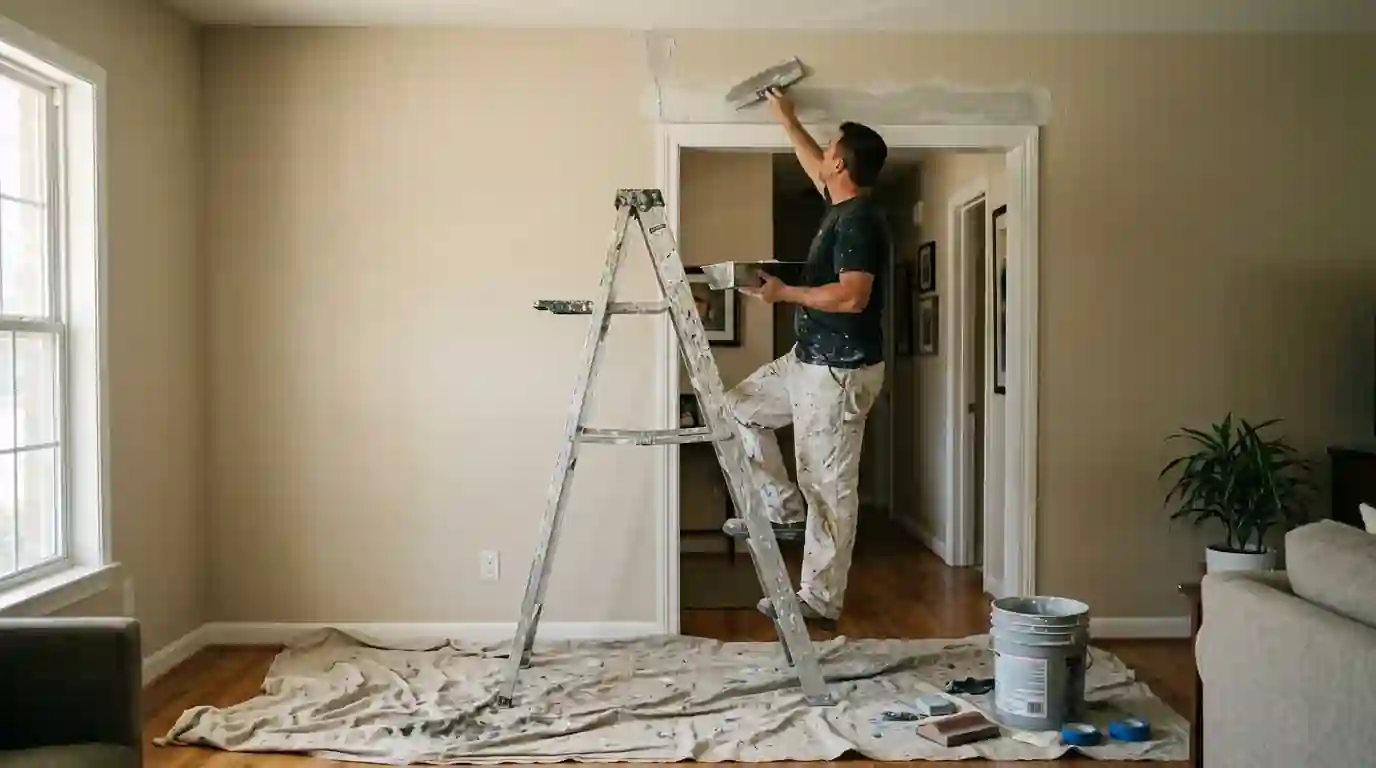
Each phase moves through the same order: wash, dry, wood repair, caulk, prime, body, trim, doors and cleanup. That routine helps homeowners plan, and it helps the board inspect. At the end of each phase, our crew lead walks with the property manager or a board representative, and the punch list is finished before the crew moves to the next cluster. Residents can call our office 24/7 with a question about their unit.
Fences, amenity centers and the common areas people notice
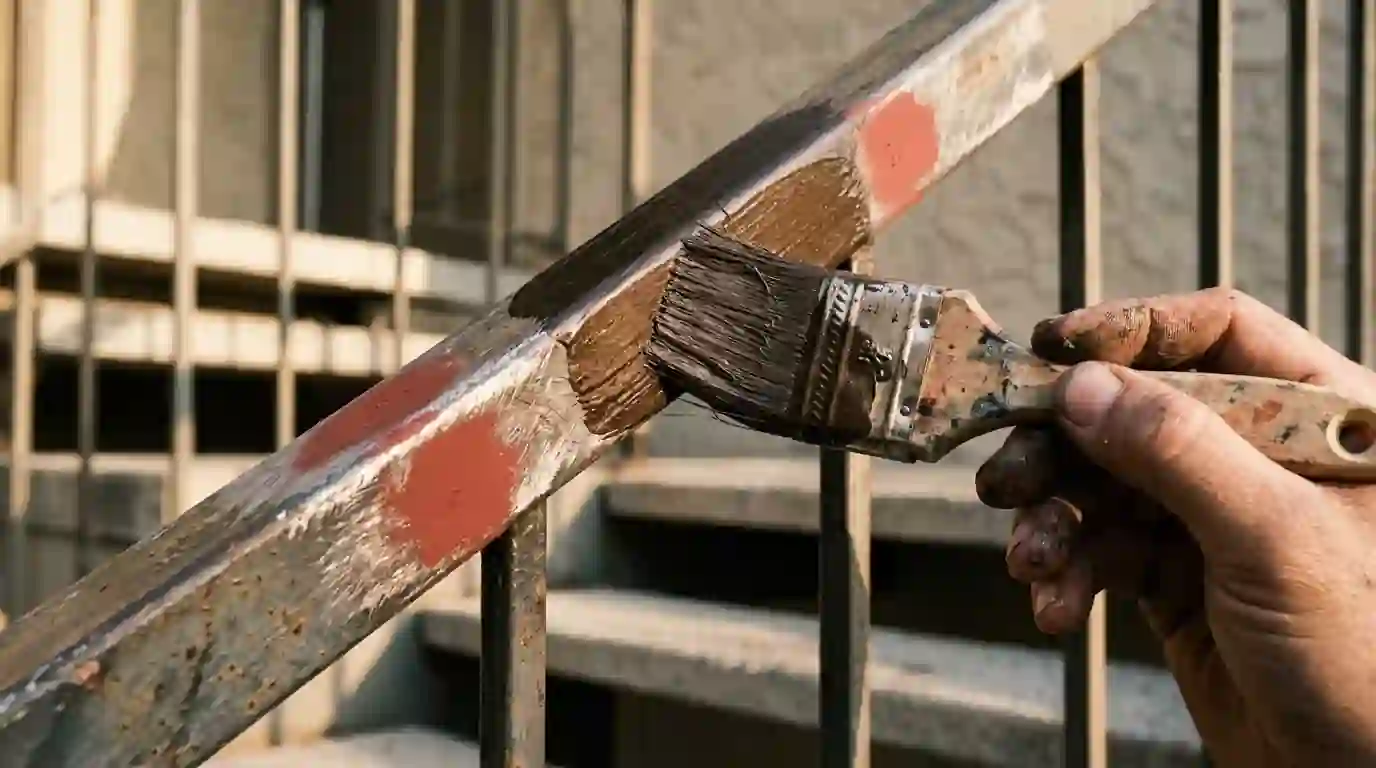
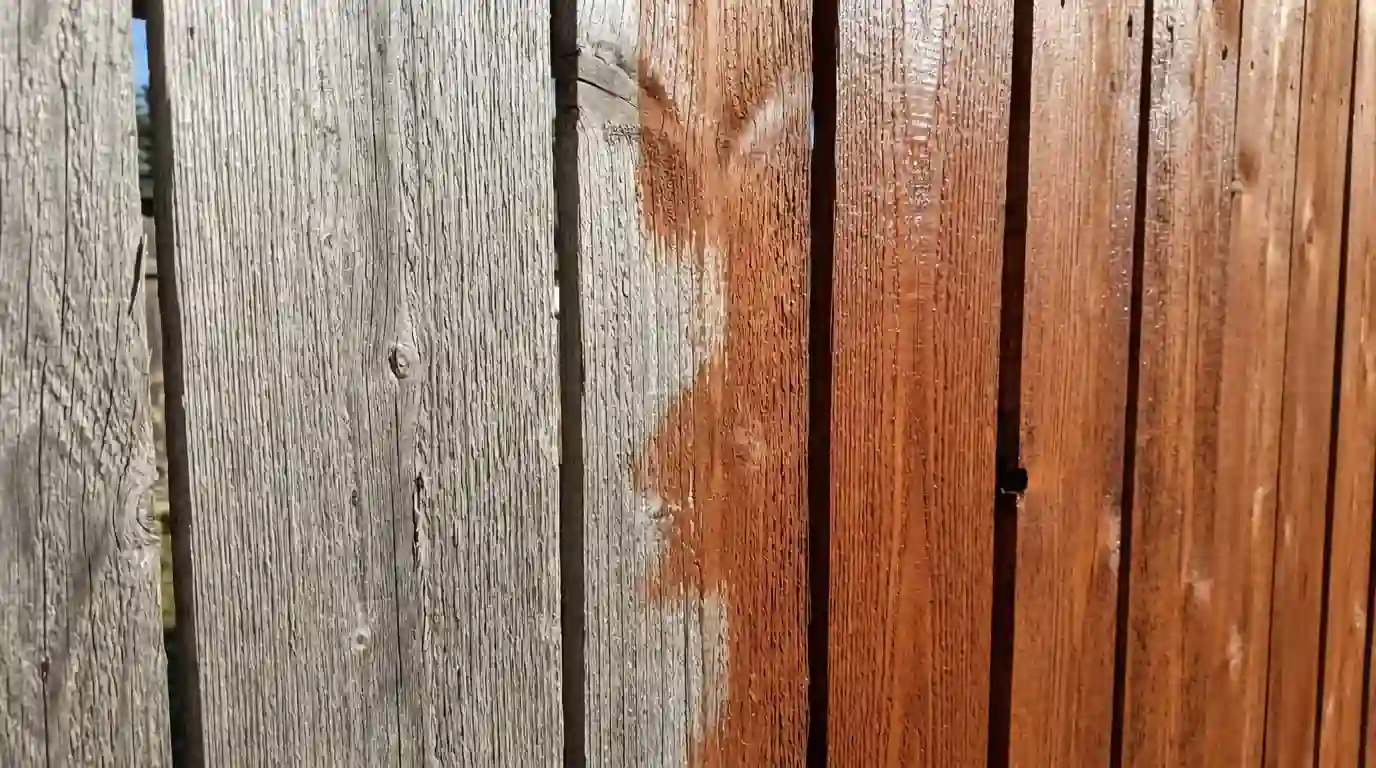
Common elements are often what make a community look tired, even when the homes are fine. Perimeter wood fences along busy roads turn gray and splotchy within a couple of summers. We clean them, replace broken pickets as an allowance, and apply a semi-transparent or solid stain chosen to match the community's look. Steel pool fencing and entry gates get scraped, rust-primed and finished in a direct-to-metal enamel. Fence posts are checked for wobble too.
Amenity buildings, clubhouses and pool restrooms get their own scope, including interior walls in scrubbable satin and exterior trim in the community's trim color. Mailbox kiosks, entry monuments, light poles and signs with painted surfaces round out the list. We usually recommend scheduling common areas at the start or end of the overall project so residents see a clear improvement at the community entrance early on. Monument lettering is masked off by hand.
Reserve-study timing and multi-year planning
Reserve studies in Texas often assume an exterior repaint every seven to ten years, but sun exposure and maintenance history change that. We can walk the community with the management company before a reserve-study update and note which buildings or elevations are aging faster, where wood rot is spreading, and which fences or metal elements need attention sooner. That gives the board real conditions to plan with, not just a schedule on paper.
Some HOAs split the repaint across two or three fiscal years to avoid a special assessment. We can phase the bid to match your budget years, prioritizing the buildings in the worst shape or the most visible streets first. Pricing for later phases is written with a clear basis so the board can budget, and we'll recheck conditions before each phase so the scope stays accurate. The board sees each phase price before it votes.
Signs it is time for HOA & community painting
- South and west sides of townhome buildings look noticeably lighter than shaded sides
- Fascia, garage door jambs and trim boards show soft spots or open joints
- Perimeter fences along main roads are gray, splotchy or leaning at posts
- Homeowners are submitting more complaints about peeling doors and trim
- The reserve study shows the exterior repaint cycle coming due
- The original palette colors are discontinued and touch-ups no longer match
How we handle HOA & community painting, step by step
- 1
Community walk and board meeting
We walk the community with the manager and a board representative, record conditions by building, and attend a meeting if the board wants to ask questions before bidding.
- 2
Line-item bid and color plan
The bid is broken out by building and common element, with wood repair unit prices and a color plan that either matches the current palette or proposes updates.
- 3
Sample approval
We paint large sample patches on representative buildings. The architectural committee approves final colors and sheens in writing before materials are ordered for the first phase.
- 4
Phased notices and prep
Each phase gets resident notices from management. We wash, let buildings dry, replace rotted wood, caulk joints and prime bare spots before any color goes on.
- 5
Body, trim, doors and common areas
We apply two coats of body and trim colors, paint garage and entry doors on scheduled days, and complete fences or amenity work in the slot agreed with the board.
- 6
Phase walk and closeout records
Each phase ends with a walk and punch list. At the end, the board receives a color schedule, product list and labeled leftover paint for future maintenance.
Fort Worth conditions that shape HOA & community painting
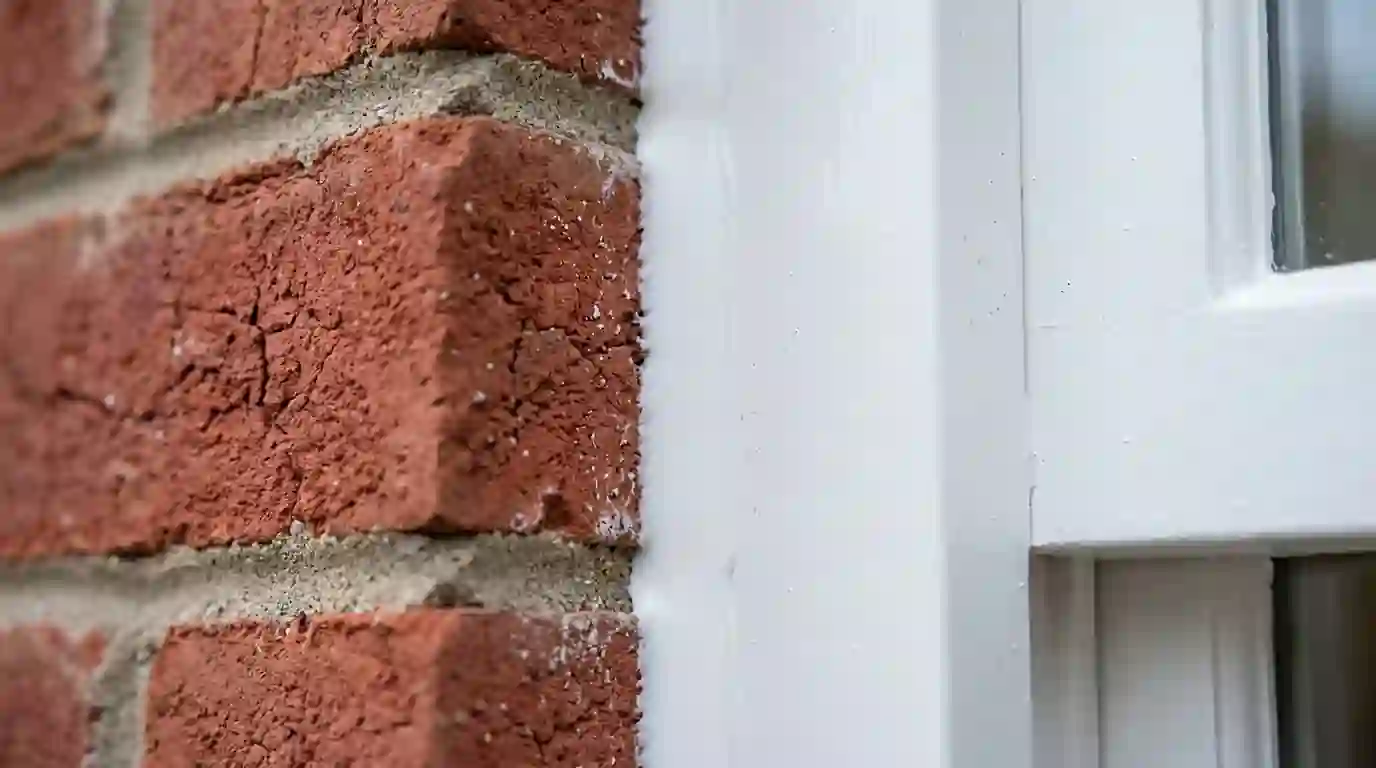
HOA communities across Tarrant and Denton counties are built mostly from brick with painted siding, trim, fascia and garage doors, which means the painted surfaces carry most of the weather. Long summers chalk and fade south and west elevations, and many communities find that one side of a building needs paint years before the other. Spring hail dents garage doors and chips trim, and wind-driven rain finds any open caulk joint. Expansive clay soil shifts slabs and opens gaps where siding meets brick, especially at corners and garage returns. Wood perimeter fences along roads like SH-121, Basswood Boulevard and Golden Triangle Boulevard take a beating from sun and sprinklers. We time exterior phases to avoid painting in full afternoon sun in midsummer, and we plan fence work for when the wood is dry after rain.
Where we offer HOA & community painting around Fort Worth
Across Fort Worth (76102 and surrounding ZIP codes), including Fairmount, Ryan Place, Mistletoe Heights, Arlington Heights, Tanglewood, Westcliff and other neighborhoods, plus these nearby cities and counties:
- Arlington 76010
- Grand Prairie 75050
- North Richland Hills 76180
- Mansfield 76063
- Euless 76039
- Grapevine 76051
- Bedford 76021
- Keller 76248
- Burleson 76028
- Haltom City 76117
- Hurst 76053
- Southlake 76092
- Weatherford 76086
- Saginaw 76179
- Colleyville 76034
- Benbrook 76126
- Tarrant County 76102
- Denton County 76201
- Johnson County 76031
- Parker County 76086