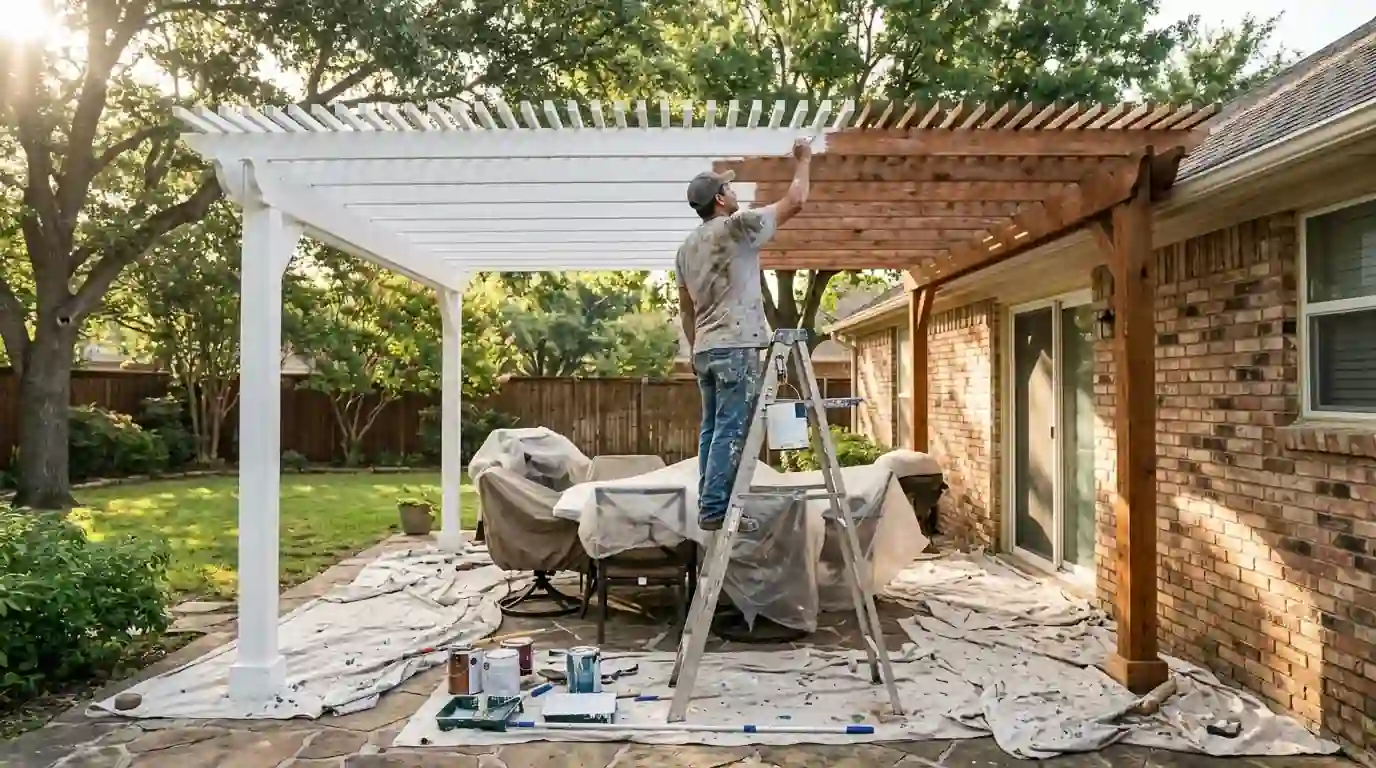
Why the top of a pergola fails before the bottom
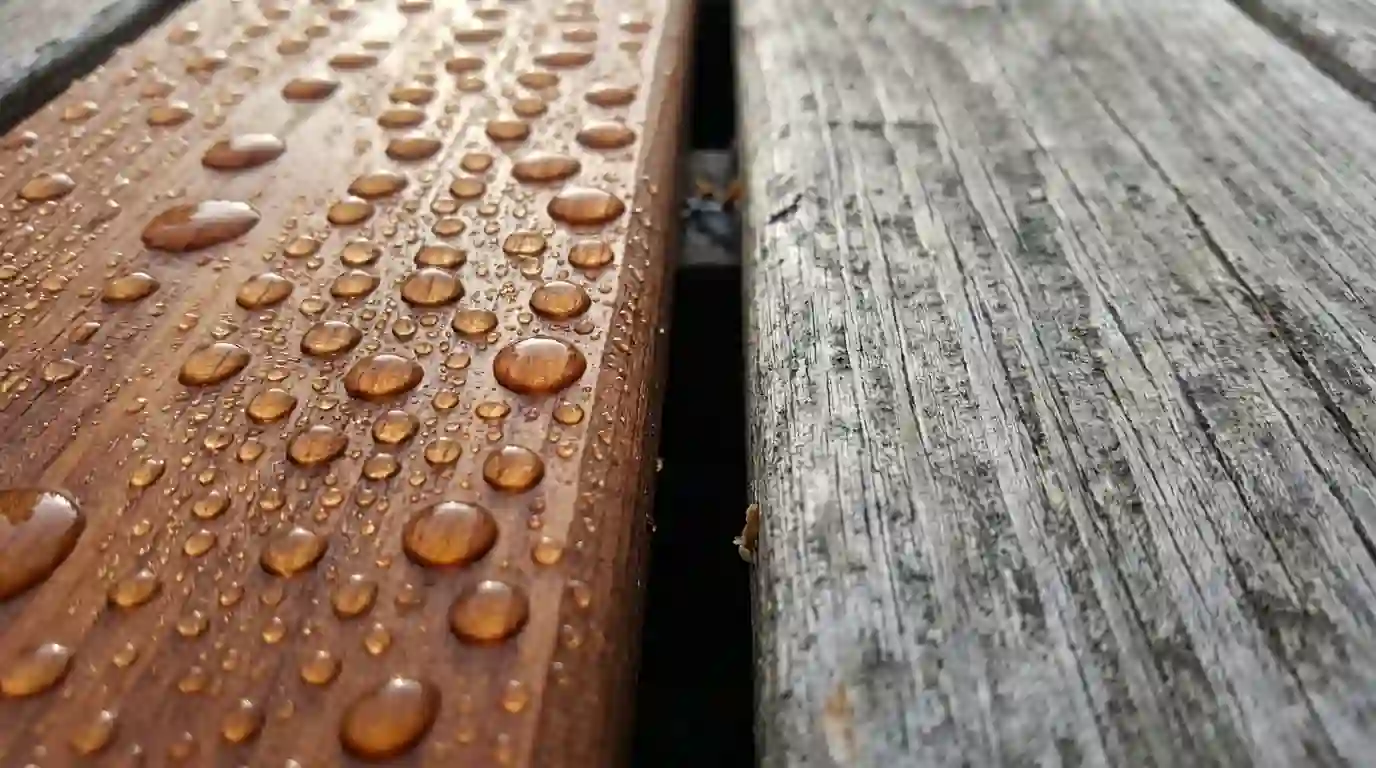
On an open pergola, the top edges of every rafter and purlin take direct sun and rain, while the sides and undersides stay in partial shade. That's why paint and stain wear first on top surfaces and rafter ends, often in two or three years, while the posts still look fine. Water sits on flat tops and soaks into end grain, then the sun bakes it out, so the wood checks and splits along its length. On solid-roof patio covers, the beams and posts take less weather, but the fascia and exposed rafter tails at the edge still bear the brunt.
Because so much of the damage is up high, it's easy to miss until paint is falling onto the patio. We get up close on ladders and scaffolding, check the top surfaces you can't see from the ground, and plan repairs before any color goes on. Fixing split rafter ends early keeps water from traveling deeper into the beam. We'll also send you photos of the top surfaces so you can see what we see.
Paint or stain for your patio structure?
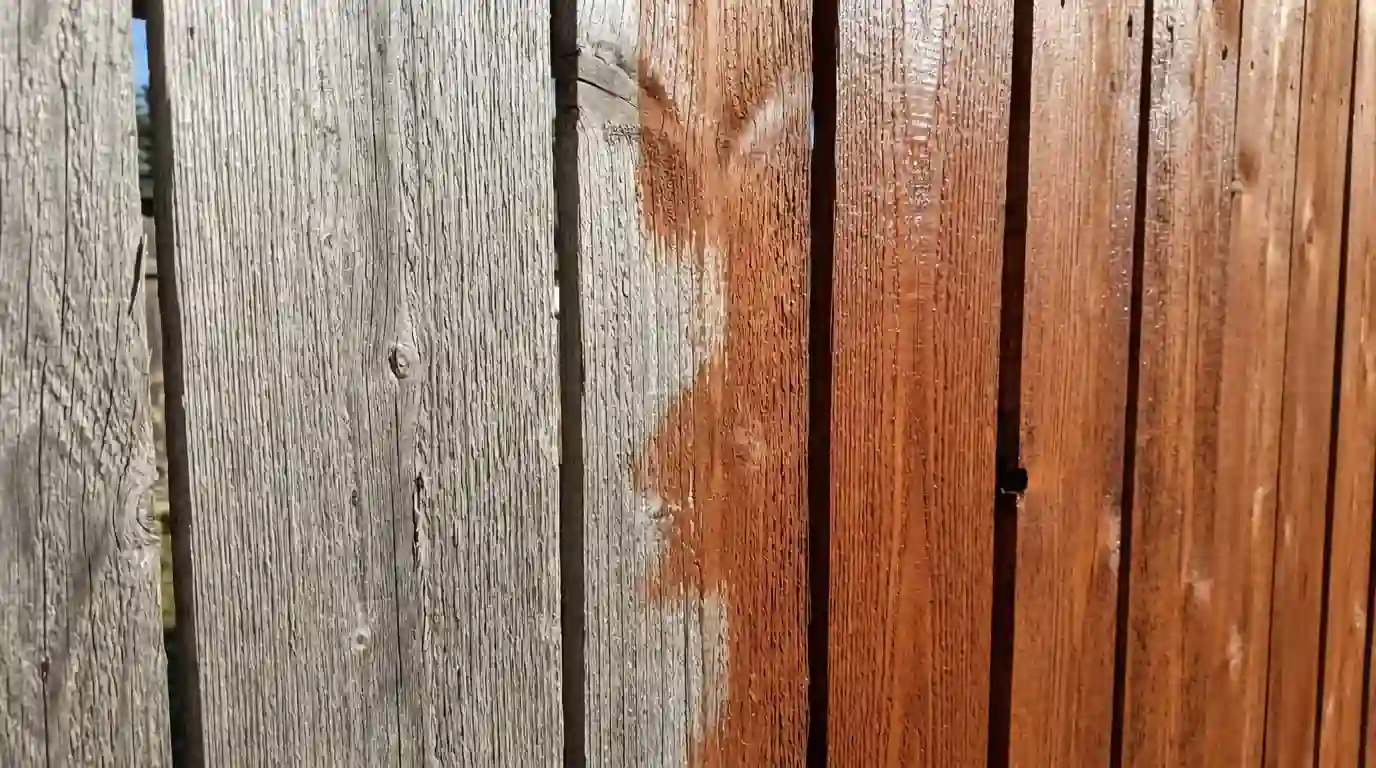
Paint gives a crisp, uniform look that ties a patio cover to the house trim, and it hides mismatched lumber from past repairs. It needs a good primer and two coats of 100% acrylic exterior paint, and it will eventually need scraping where water gets in. Stain lets the wood grain show, which suits cedar pergolas and rustic designs. Semi-transparent stains soak in and fade without peeling, so recoating is easier, though they need it more often in full sun.
Solid stain is a middle ground: it covers like paint but stays thinner and more flexible. We often suggest solid stain for pine patio covers where the grain isn't attractive but peeling paint has been a problem. If the structure is already painted, staining is no longer an option without stripping, so we'll show you what's realistic for the wood you have. Darker tones on overhead wood also absorb more heat, which matters on a patio you sit under all summer.
- Paint: crisp, matches trim, needs scraping later
- Semi-transparent stain: shows grain, fades gradually
- Solid stain: covers well, thinner and more flexible
- Clear sealers alone rarely last in Texas sun
What patio cover & pergola painting typically costs in Fort Worth
$1,280 to $4,150
typical range for a 200 to 450 sq ft wood patio cover or pergola, not a quote. Your price comes from a written scope after we see the job.
What moves the number
- Footprint and height of the structure
- Number of rafters, purlins and decorative cuts
- Peeling paint or old stain to strip
- Checked or rotted rafter tails and post bases
- Paint versus semi-transparent or solid stain
- Ceiling fans, lights or heaters to work around
Repairing checked rafters and soft post bases
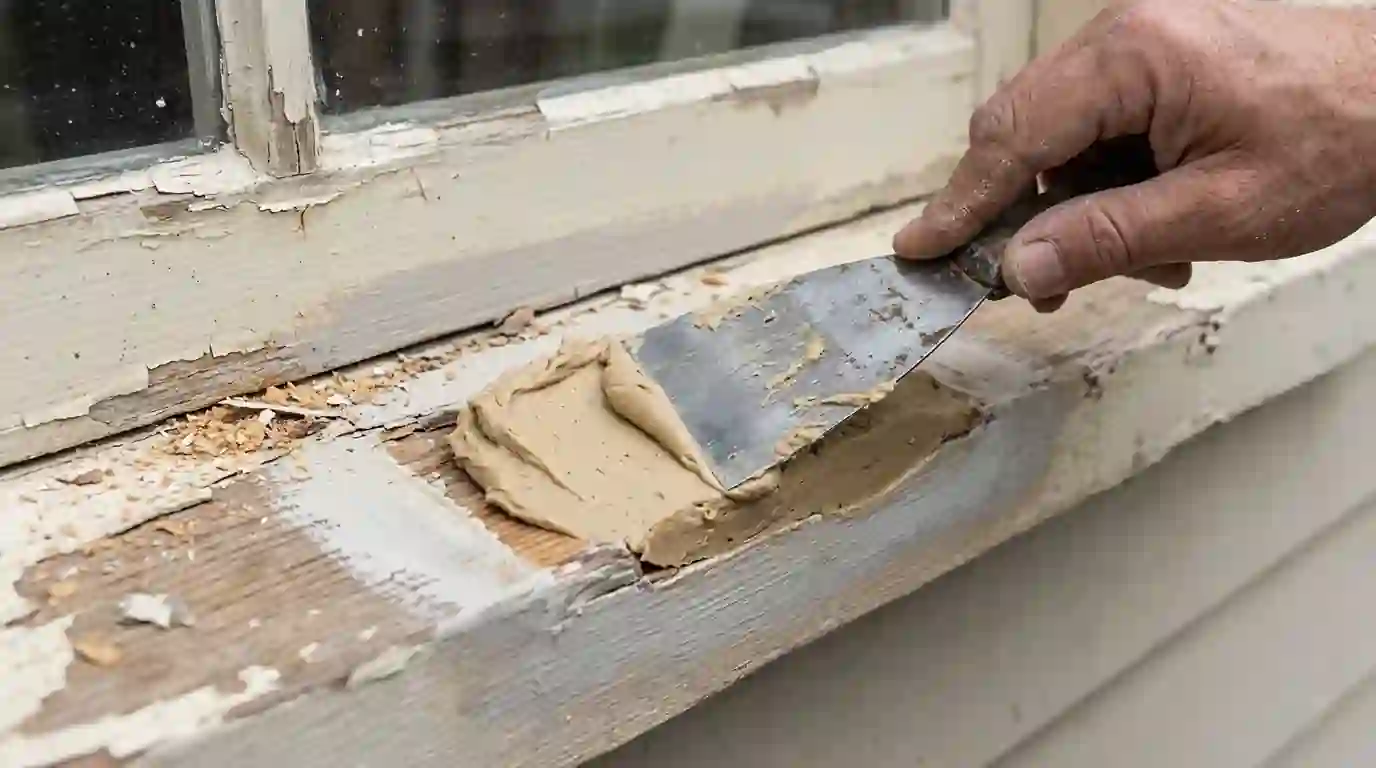
Rafter tails and post bases are the two weak points we see most. Rafter ends dry out and split in the sun, then hold water in those splits. Small checks are cleaned out and filled with an exterior wood filler or flexible sealant before priming. Deeper rot in rafter tails is cut back and rebuilt with epoxy or replaced with a scarfed piece. Post bases sitting directly on concrete wick water from the slab and rot from the bottom up, especially where sprinklers hit them.
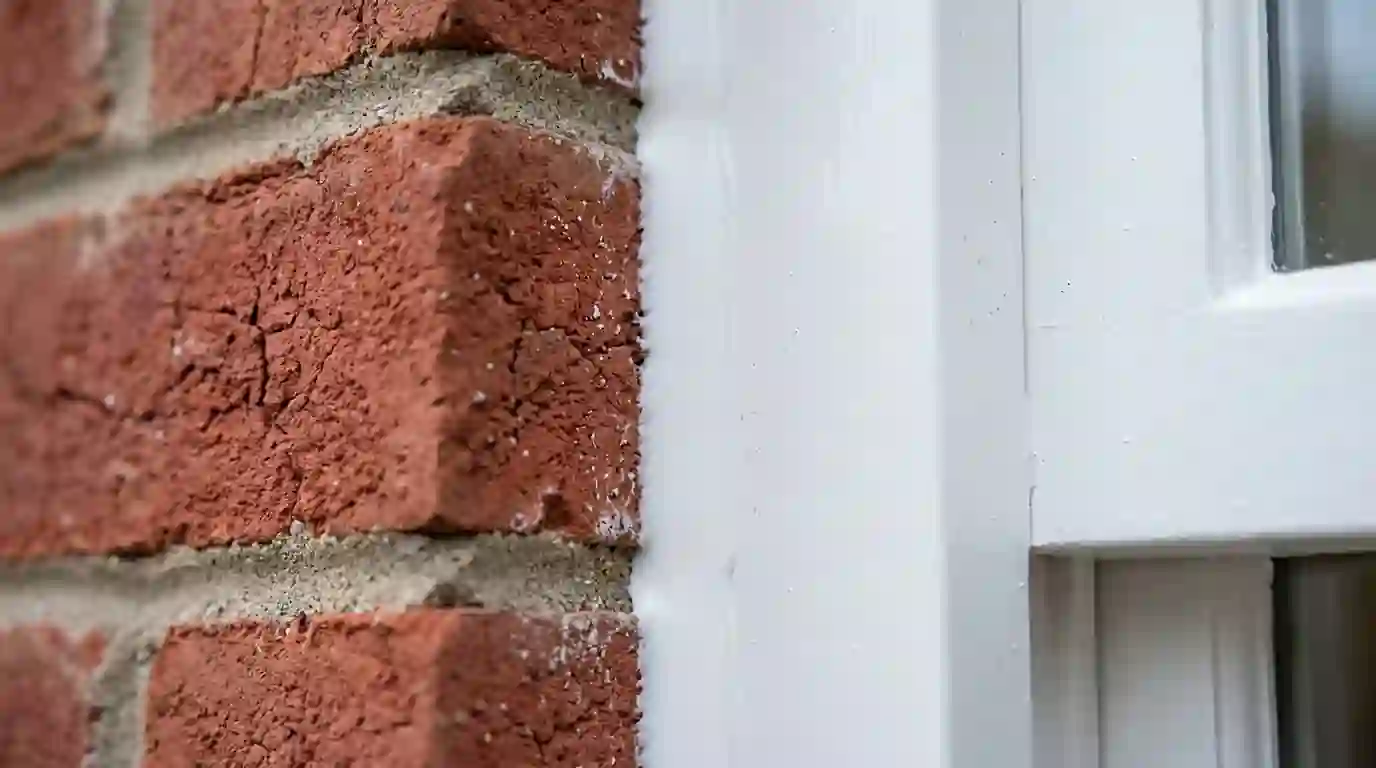
We probe post bottoms with an awl and recommend repairs or replacement where wood is soft, since a weak post is a structural concern rather than a paint problem. Joints between beams, ledgers and rafters get a flexible exterior caulk where water can sit. End grain on rafters gets an extra coat of primer, because it soaks up water many times faster than the face of the board. Metal post bases get rust treatment too.
Painting overhead without ruining the patio below
Painting rafters means paint and stain drip downward, so protecting the patio, outdoor kitchen and furniture is a big part of the job. We move furniture, cover grills, stone and concrete with drop cloths and plastic, and wrap ceiling fans and light fixtures. On stained or stamped concrete, we use breathable cloths over plastic so the surface doesn't sweat under heat. Scraping and sanding happen before protection goes down for painting, and debris is cleaned up as we go.
We work top-down: rafters and purlins first, then beams, then posts, so drips land on unpainted wood rather than fresh coats. In summer we work in the morning, when the structure and patio aren't scorching. Most acrylics are dry to the touch within an hour, while oil-based stains can take several hours. Your patio is usually usable again the evening after we finish. Wasps love pergola corners, so nests are removed safely first.
Signs it is time for patio cover & pergola painting
- Paint flakes are falling onto the patio from the rafters
- Rafter tails are split or darkened at their ends
- Pergola wood has turned gray while posts still look stained
- Post bases feel soft or show dark staining near the concrete
- Caulk joints at beams and ledger boards have cracked open
- The patio cover no longer matches newly painted house trim
How we handle patio cover & pergola painting, step by step
- 1
Inspect overhead
We check rafters, purlins, beams and post bases up close, probe for soft wood, test paint adhesion, and confirm paint or stain, color and any repairs before pricing.
- 2
Clean and scrape
The structure is washed to remove dirt, pollen and mildew, then loose paint is scraped and sanded, or old stain is stripped and brightened, letting the wood dry fully.
- 3
Repair wood
Checks are filled, rotted rafter tails are rebuilt or replaced, post issues are flagged, and joints at beams and ledgers are sealed with flexible exterior caulk.
- 4
Protect the patio
Furniture is moved, grills, fans and lights are covered, and patio surfaces are protected with drop cloths and plastic where drips and overspray could land.
- 5
Prime and finish top-down
Bare wood and end grain are primed, then paint or stain is applied to rafters first, then beams, then posts, with drying time between coats and careful drip control.
- 6
Clean up and review
We remove protection, clean any drips, return furniture to its place, and walk around the patio with you to review every surface, including tops seen from a ladder.
Fort Worth conditions that shape patio cover & pergola painting
Covered patios and pergolas are part of daily life in Fort Worth, since shade makes backyards usable from March through October. Most are built from pine or cedar, sometimes with a metal or shingle roof over wood beams. The tops of open pergolas take the full force of summer sun, spring hail and wind-driven rain, so they need attention more often than the house trim. Clay soil can shift patio slabs slightly, putting stress on post connections and opening joints at beams. Mosquitoes, pollen and live oak debris also coat these structures, so a thorough wash matters before painting. We plan patio work early in the day during summer to avoid the hottest hours.
Where we offer patio cover & pergola painting around Fort Worth
Across Fort Worth (76102 and surrounding ZIP codes), including Fairmount, Ryan Place, Mistletoe Heights, Arlington Heights, Tanglewood, Westcliff and other neighborhoods, plus these nearby cities and counties:
- Arlington 76010
- Grand Prairie 75050
- North Richland Hills 76180
- Mansfield 76063
- Euless 76039
- Grapevine 76051
- Bedford 76021
- Keller 76248
- Burleson 76028
- Haltom City 76117
- Hurst 76053
- Southlake 76092
- Weatherford 76086
- Saginaw 76179
- Colleyville 76034
- Benbrook 76126
- Tarrant County 76102
- Denton County 76201
- Johnson County 76031
- Parker County 76086