Homes in Keller and what they ask of paint
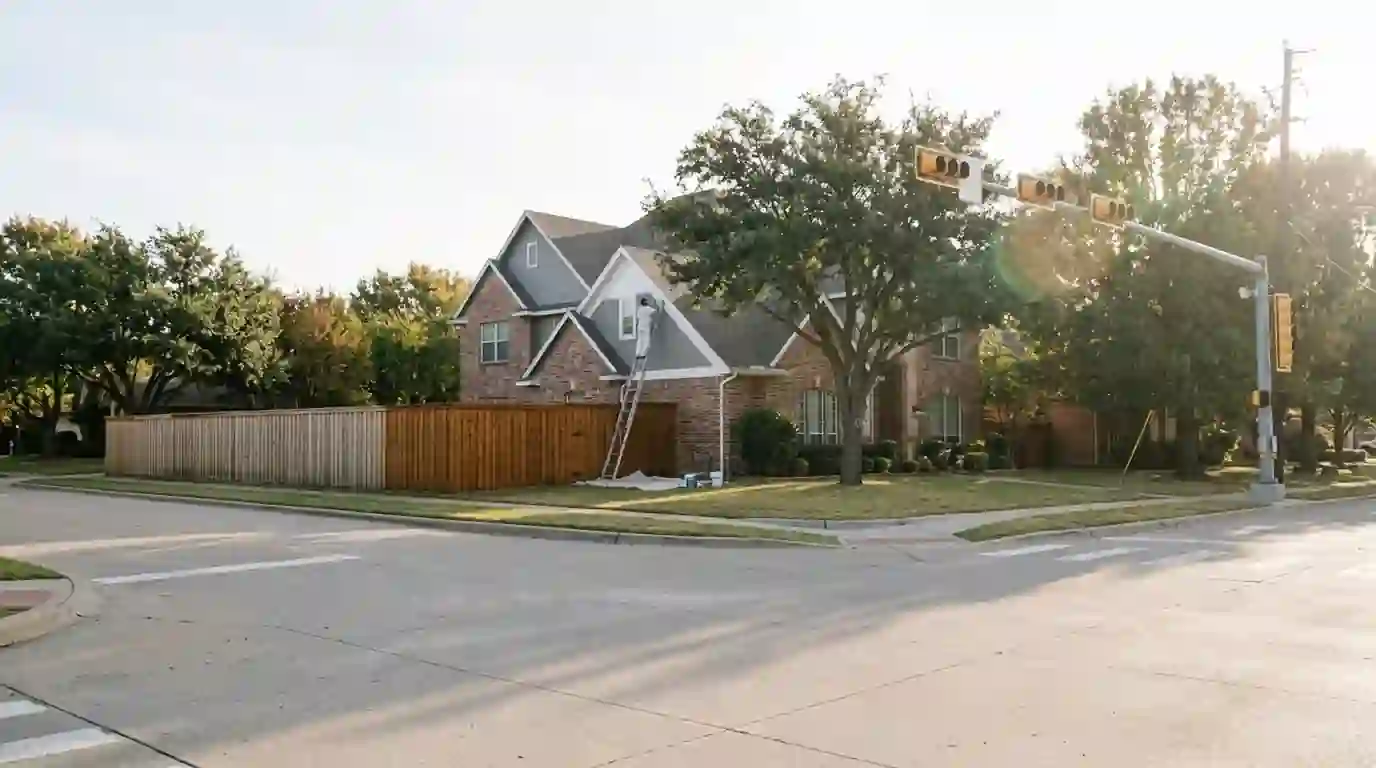
Keller grew quickly from the 1980s through the 2000s, so most houses are brick veneer with painted wood or fiber-cement trim, siding on the upper gables and a two or three car garage facing the street. Lots run larger here than in many Tarrant County suburbs, and some homes on the edges of town sit on an acre or more. That size matters for paint: a big lot usually means more fence, a detached shop or pergola, and long fascia lines that catch afternoon sun. Builders often used finger-jointed pine trim that swells where caulk lets go, so we expect to replace a few boards on almost every Keller exterior.
How much fence are you really staining on a Keller lot?
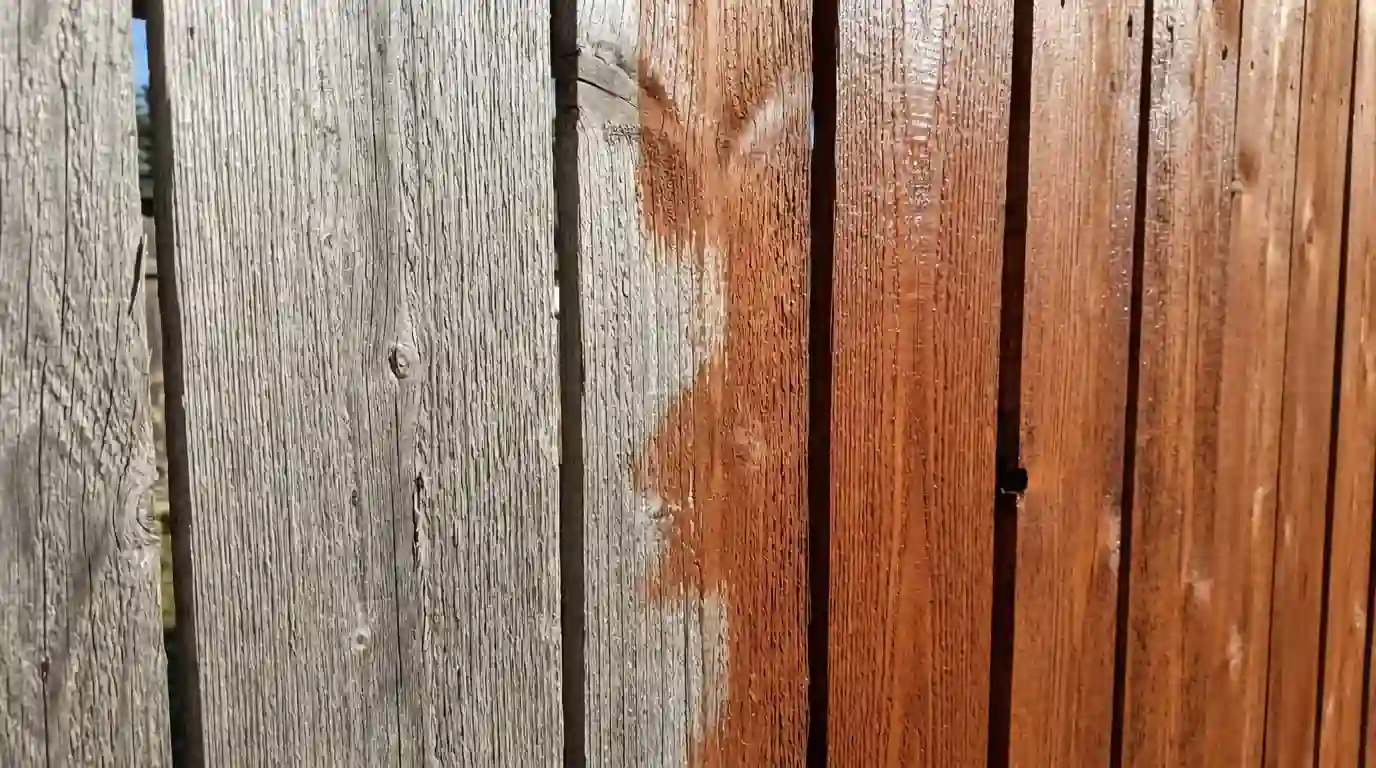
A typical Keller backyard has 180 to 300 linear feet of six-foot board-on-board fence, and acreage lots can run well past that. We measure both faces because neighbors on the other side often want the same color, and we price the outside face separately so you can decide. Old fences get a pressure wash at moderate pressure, a two-day dry, and a penetrating oil or water-based semi-transparent stain sprayed and back-brushed so it soaks into the end grain.
Typical Keller fence staining runs $1,180 to $3,640 for one side of a standard backyard, depending on height, condition, the number of gates and whether we need to replace rotted pickets first. That range is a guide, not a quote. We'll walk the line, count damaged boards, check for leaning posts and give you a written number before anyone opens a can. Plants and pool equipment along the fence get covered before spraying starts.
Keeping your Keller HOA approval simple
Many Keller subdivisions ask homeowners to submit exterior colors before work starts. We give you the exact manufacturer names and codes for body, trim, accent and door, plus large painted samples you can photograph against the brick. Most committees respond within a couple of weeks, so we schedule the prep and wood repair around their reply instead of losing time.
If your community allows only an approved palette, we'll work inside it and point out which shades hide dust and pollen best on a north-facing garage door. When a neighbor recently repainted, we can often match their approved trim color so the street reads as one piece. We also keep a copy of the approval letter on site, which helps if a committee member stops by while the crew is working.
- Color codes listed by manufacturer and sheen
- Brushed sample boards for the committee photo
- Start date set after approval arrives
- Fence and trim colors submitted together
What our Keller exterior repaint actually includes
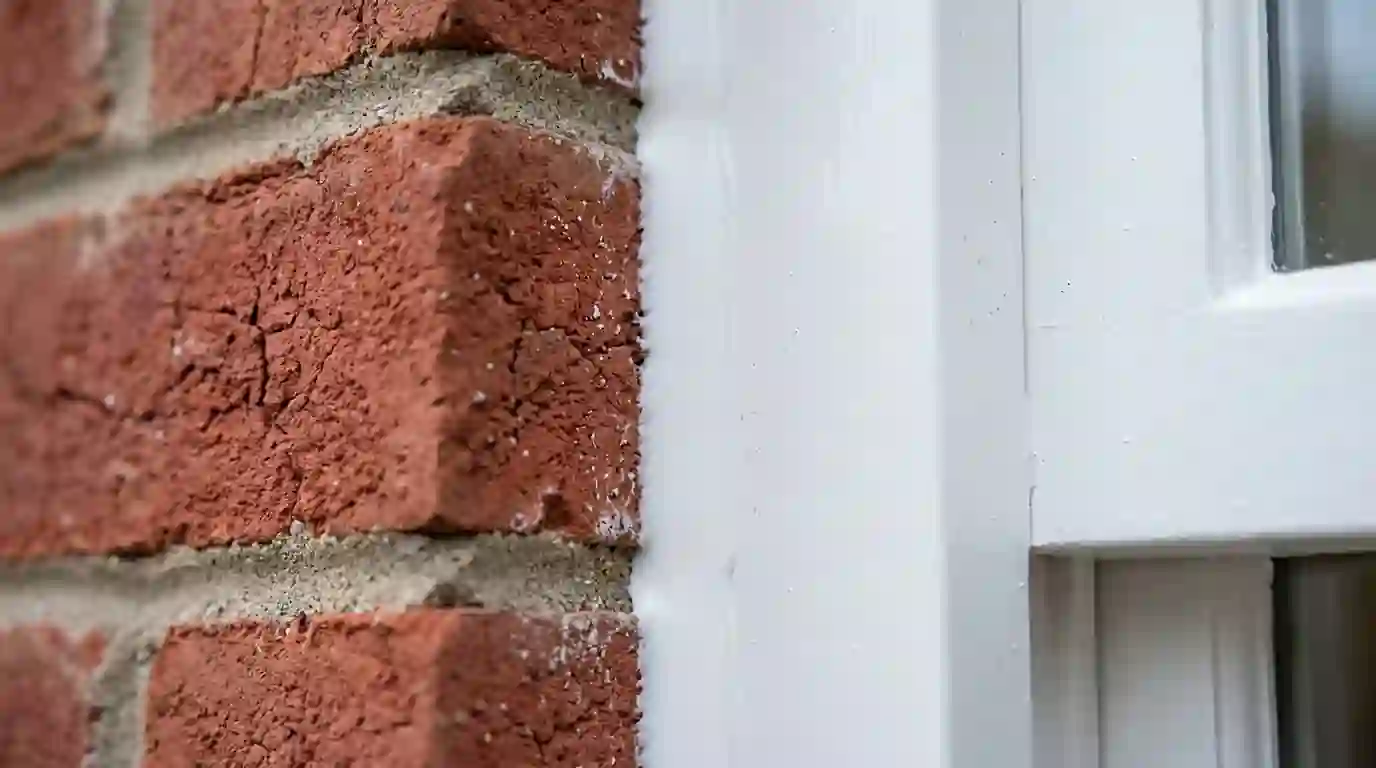
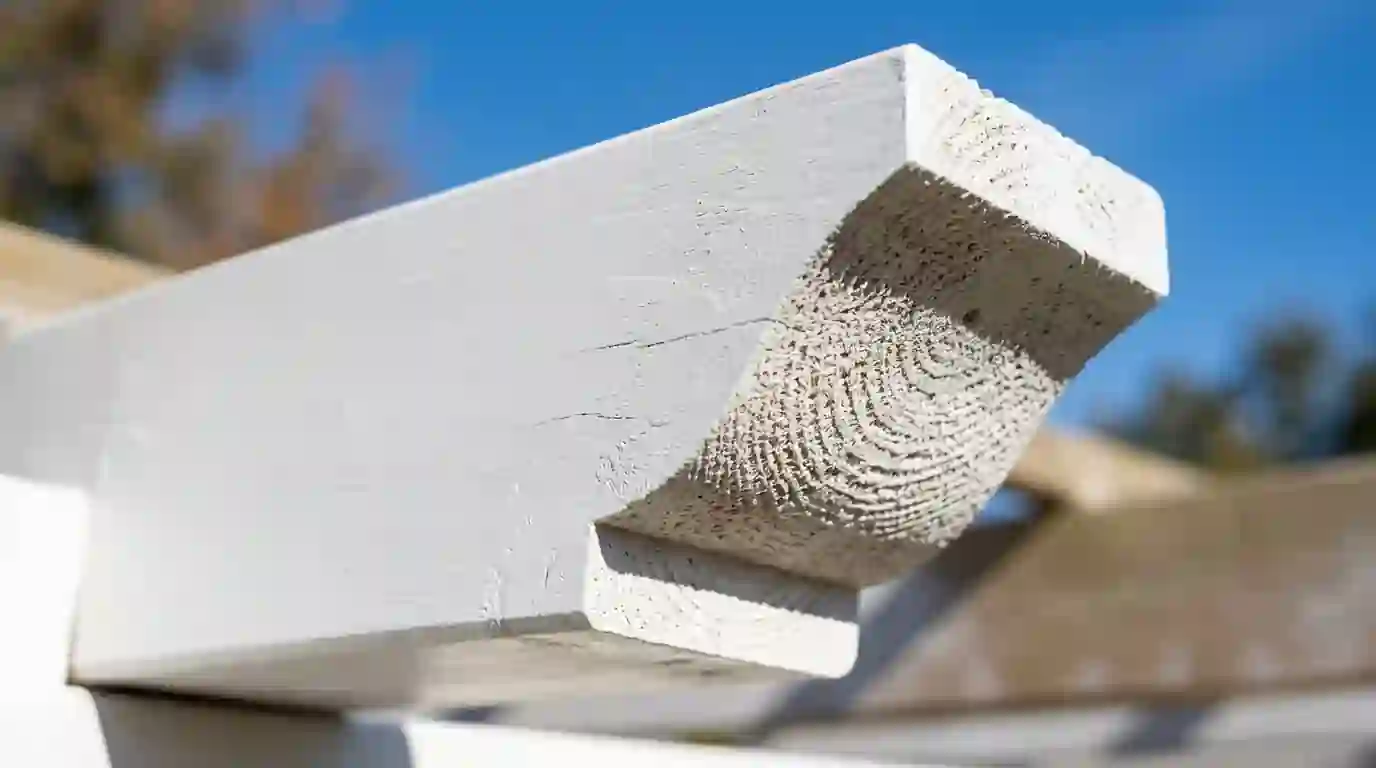
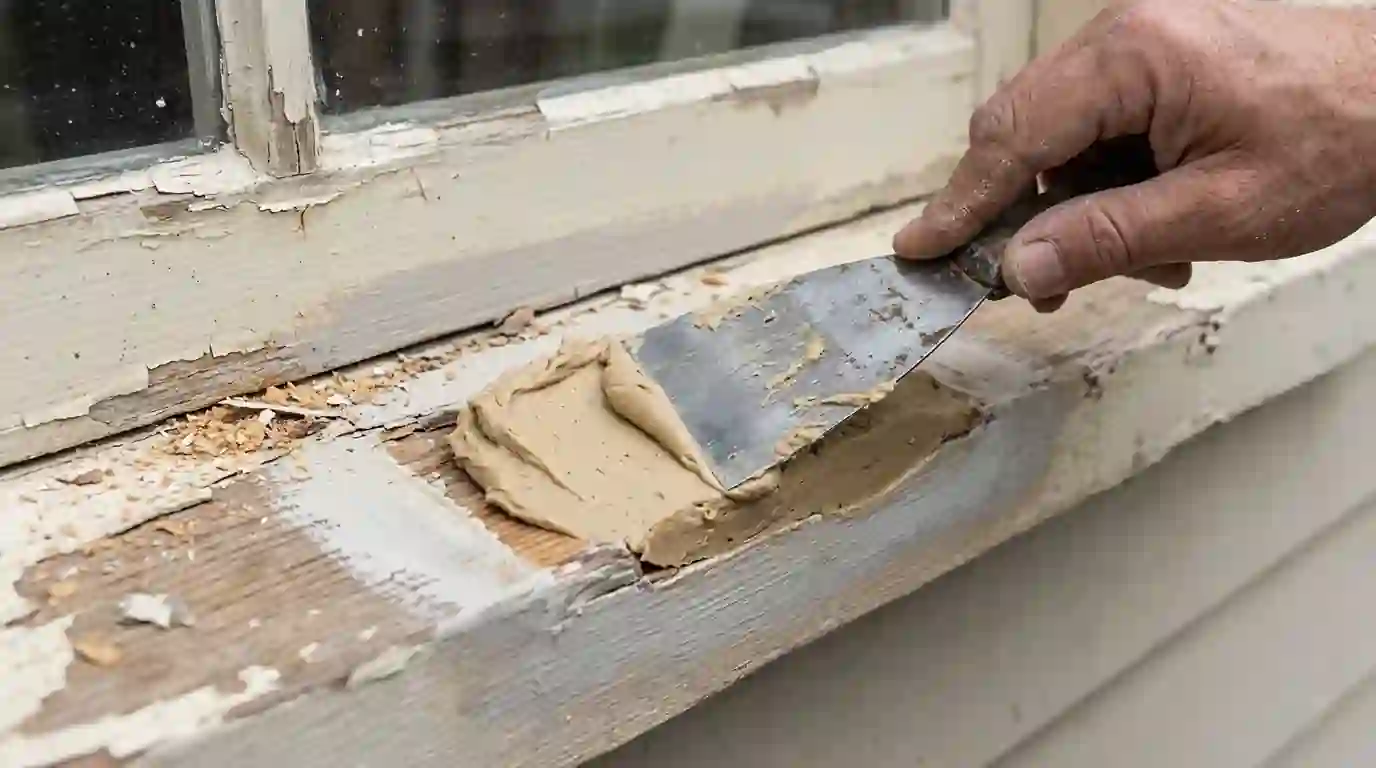
We start by washing the brick, soffits and gutters so the new coating bonds to sound material rather than pollen and chalk. Rotted fascia ends, window sills and garage door jambs get cut back to solid wood and replaced with primed lumber or PVC where it makes sense. Every open joint receives a high-elastomer siliconized acrylic caulk, and bare wood gets an exterior oil-modified or bonding primer.
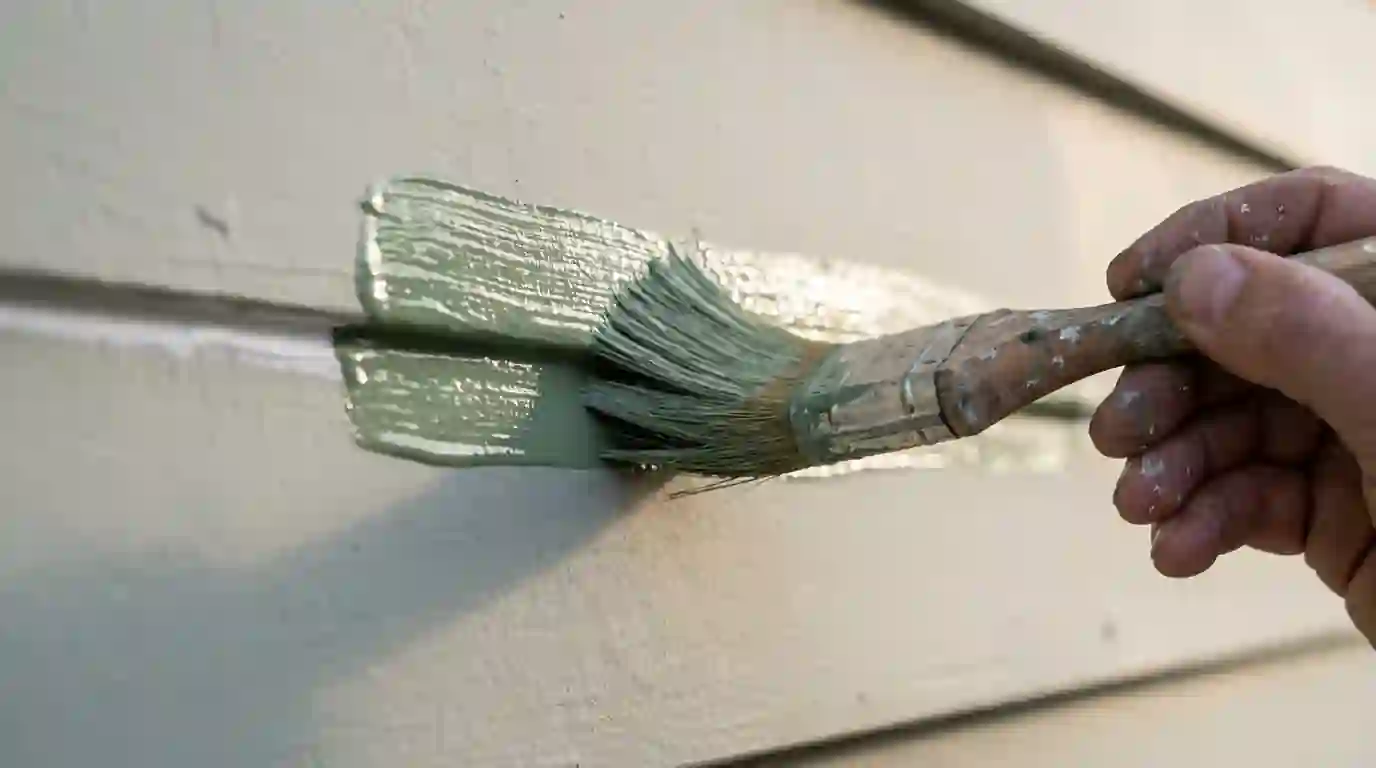
Topcoats are a premium 100% acrylic exterior paint in satin for trim and low sheen for siding, applied at the spread rate the label calls for. On west and south walls, where Keller sun hits hardest, we never skimp on the second coat. Garage doors, shutters and the front door get their own enamel, and we finish with a walk-around so you can point out anything that needs a touch-up before we load the truck.
Streets and places we know in Keller
- Keller Town Center
- Bear Creek Park
- Keller Parkway
- US-377 through Old Town Keller