Homes in Ryan Place and what they ask of paint
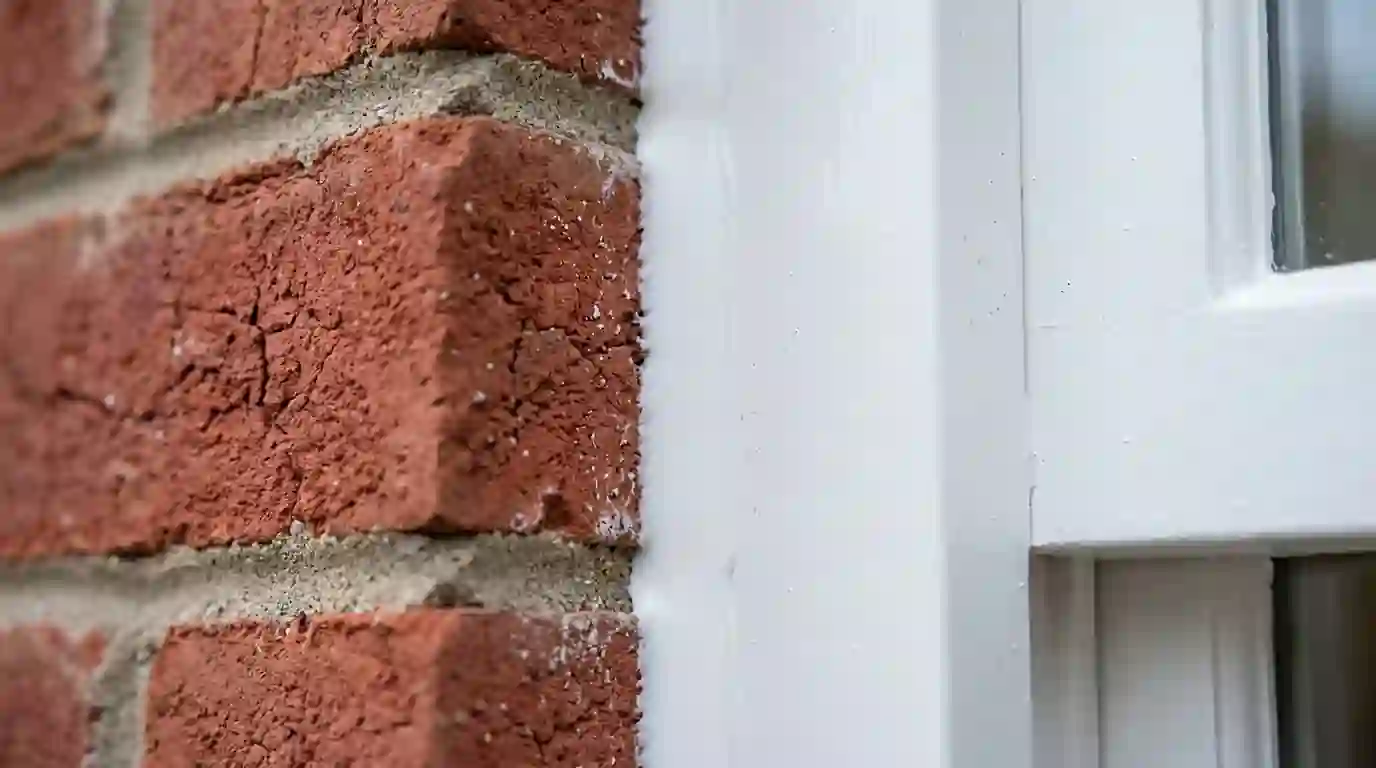
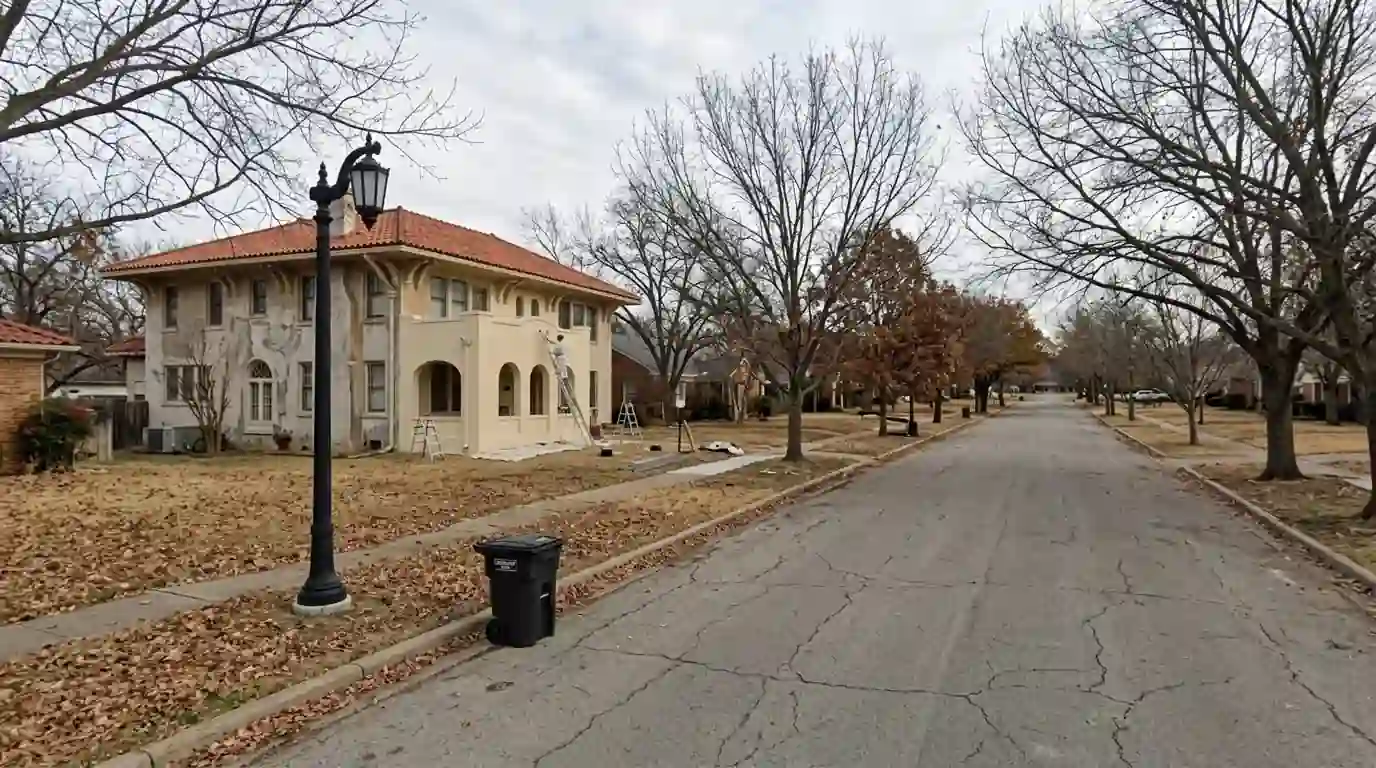
Ryan Place was laid out in the 1910s south of downtown, and its homes date mostly from that decade through the 1930s. Along Elizabeth Boulevard you'll see some of the grandest, with Prairie-style horizontal lines, Mediterranean stucco and clay tile, and Tudor brick with half-timbered gables. Side streets carry more modest bungalows and two-story foursquares. Common materials include stucco over wood frame or masonry, red and tan brick, wood casement and double-hung windows, and wide wood eaves with exposed rafter tails or brackets. Original plaster walls and ceilings are still in many homes, sometimes with cracks along the ceiling lines where the structure has moved.
Repainting cracked stucco on a Ryan Place house
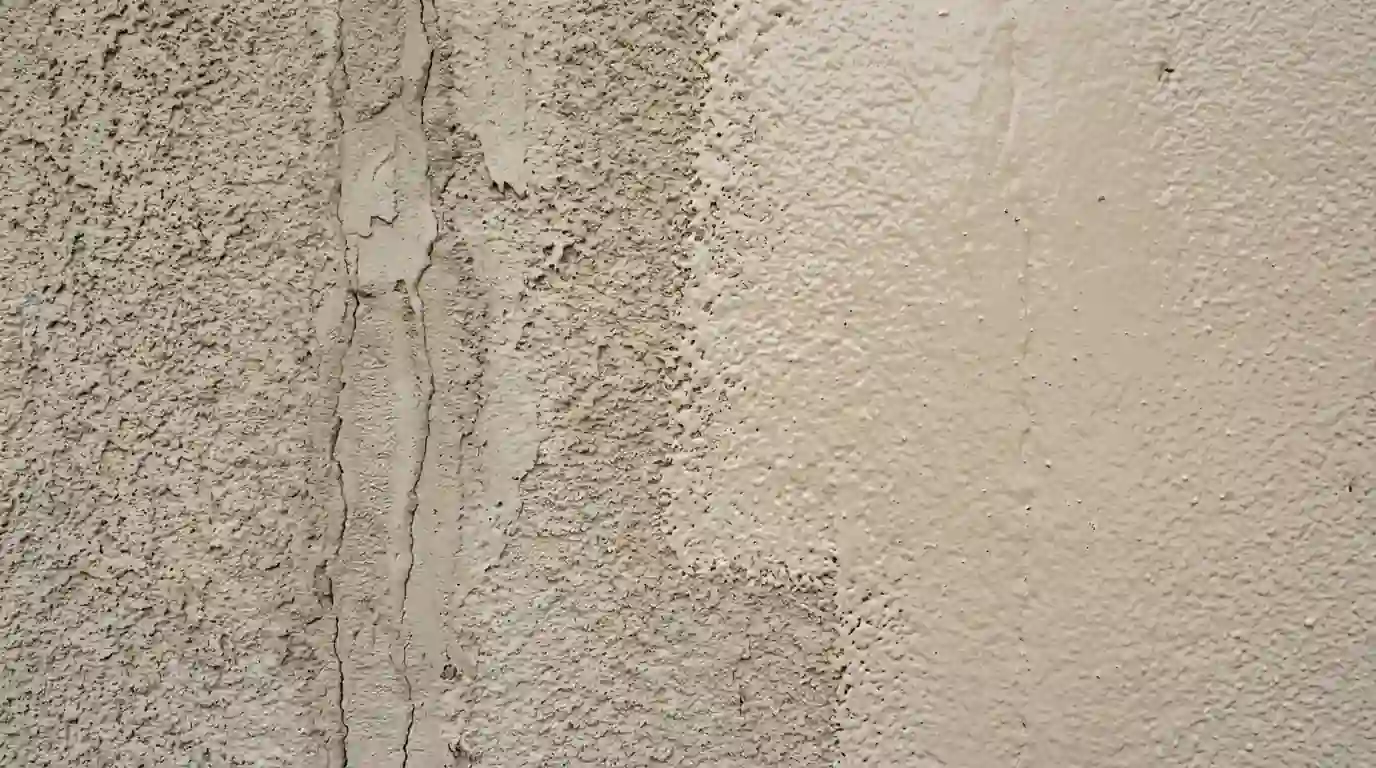
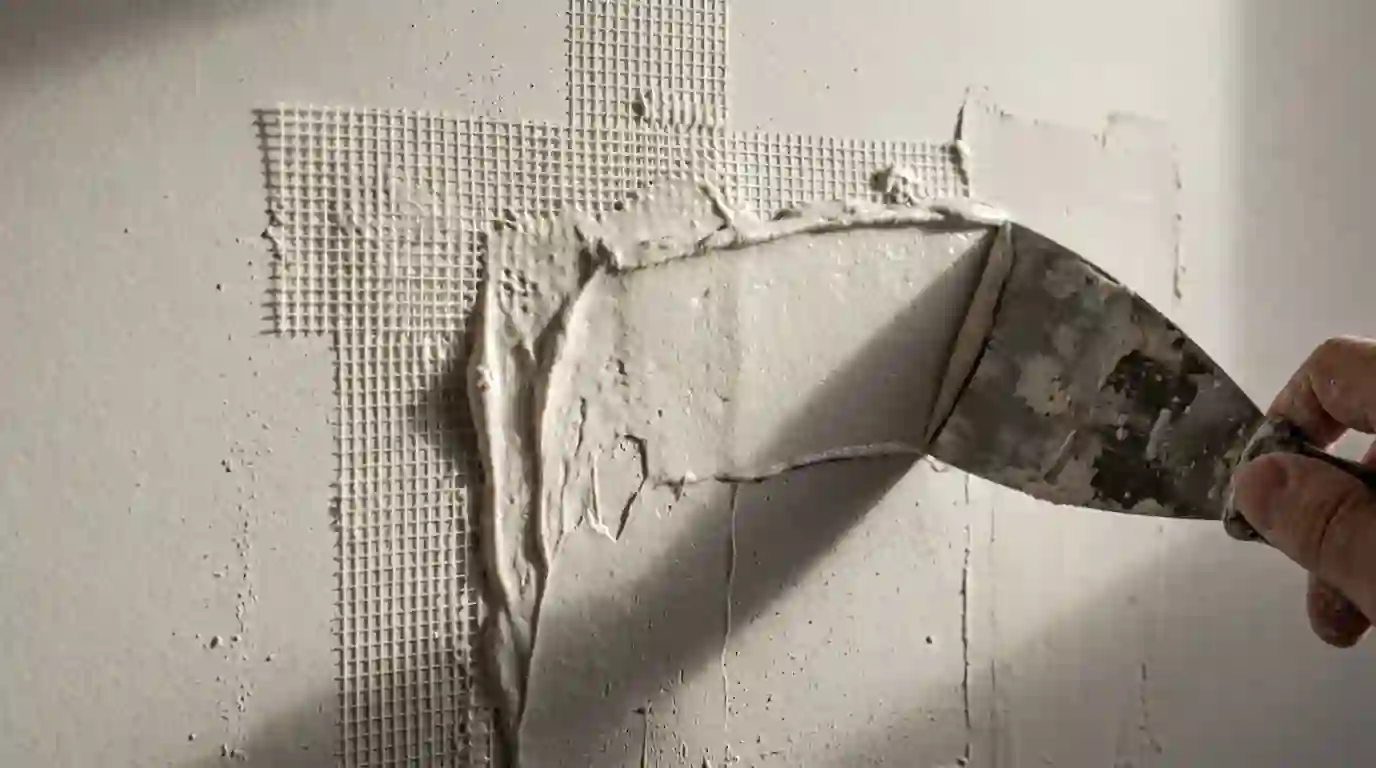
Old stucco moves with the house, and Ryan Place sits on the same expansive clay as the rest of central Fort Worth. Fine map cracks are normal, while wider cracks running from window corners show structural movement. We open wider cracks slightly, brush out loose material, and fill with a stucco patch or flexible masonry sealant, texturing the patch to match the surrounding finish. Weep screeds at the base get cleared, not painted shut.
We wash stucco at low pressure to avoid forcing water behind it, let it dry for at least two days, and prime with an alkali-resistant masonry primer. Many older Ryan Place stucco walls have been painted before, so we check adhesion. Topcoats are a breathable acrylic masonry paint; on walls with lots of hairline cracking, an elastomeric finish bridges small gaps better. We keep spraying off windy afternoons near neighbors' cars.
- Low-pressure washing to protect old stucco
- Crack patches textured to match the wall
- Alkali-resistant masonry primer before topcoats
- Elastomeric option where hairline cracks persist
Bringing old wood windows and eaves back
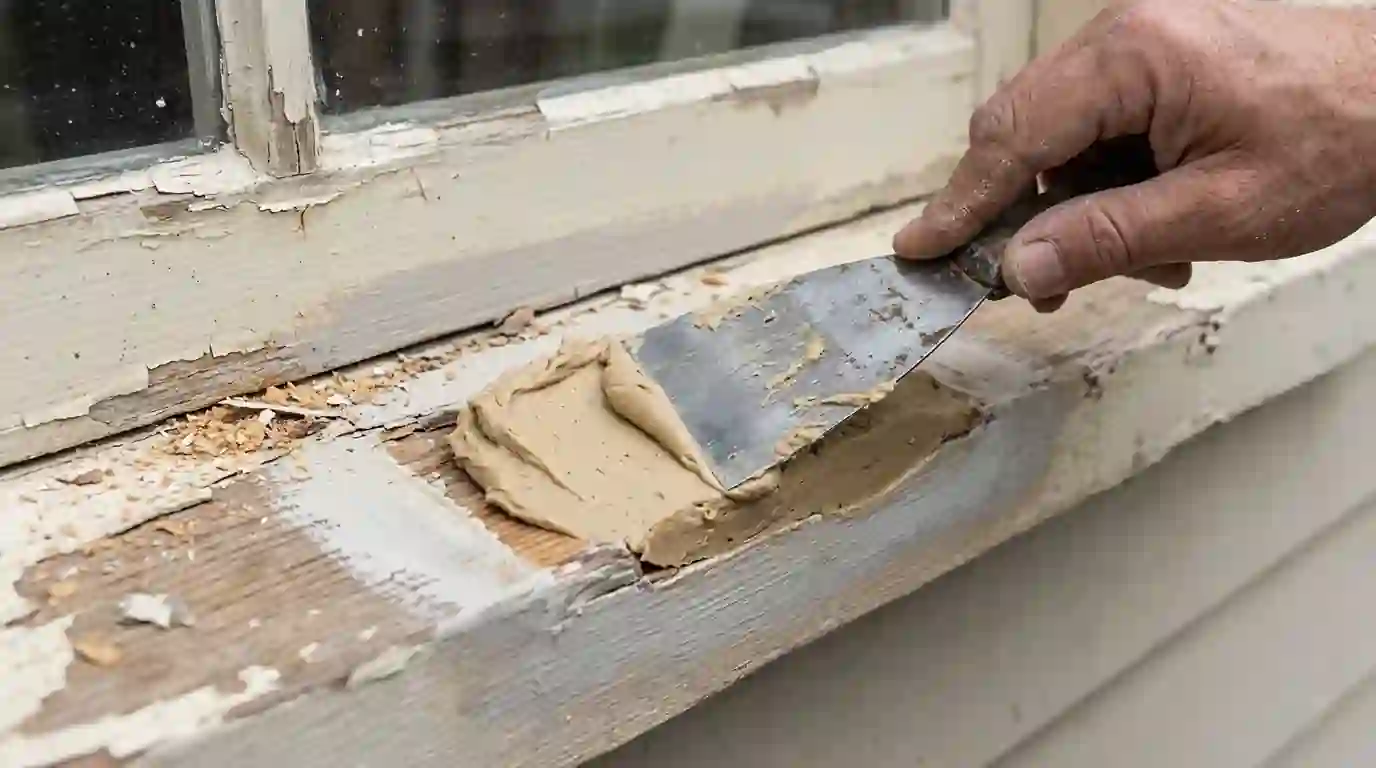
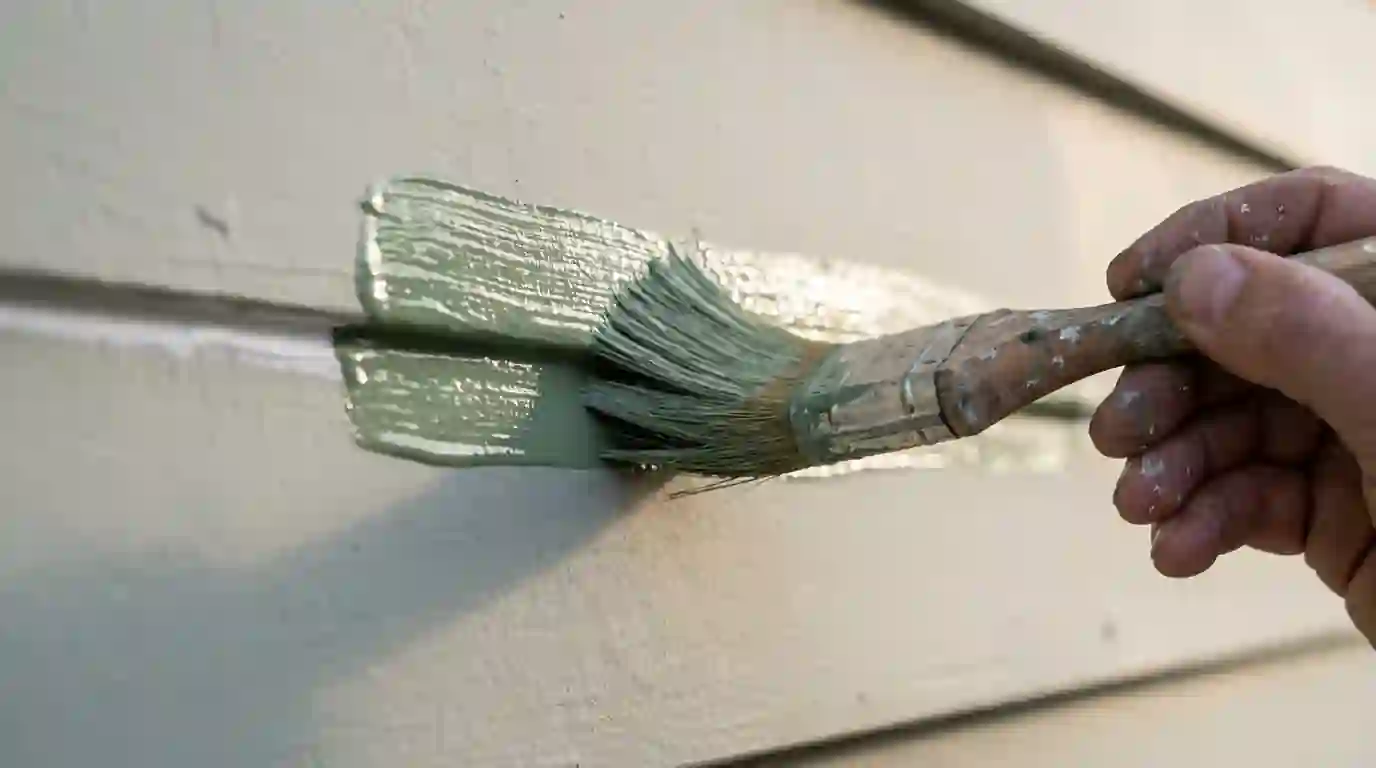
Divided-light windows are one of Ryan Place's best features and one of the hardest parts of any exterior repaint. We scrape loose paint from sashes and muntins, remove failed glazing putty, reglaze where it's cracked, and prime the bare wood before painting. Paint is lapped slightly onto the glass to seal the putty edge, then cleaned to a straight line with a razor once dry. Casement windows get their hinges masked so they still swing freely.
Wide eaves with brackets or rafter tails take a beating from gutters and sun. We probe for soft wood, rebuild decayed rafter ends with epoxy or splice in new stock, and spot prime before the trim color goes on. Every house here was built before 1978, so we test for lead before any of this scraping starts and contain debris accordingly. Brackets get every face brushed, including the hidden backs.
Plaster ceiling repair and what Ryan Place projects cost
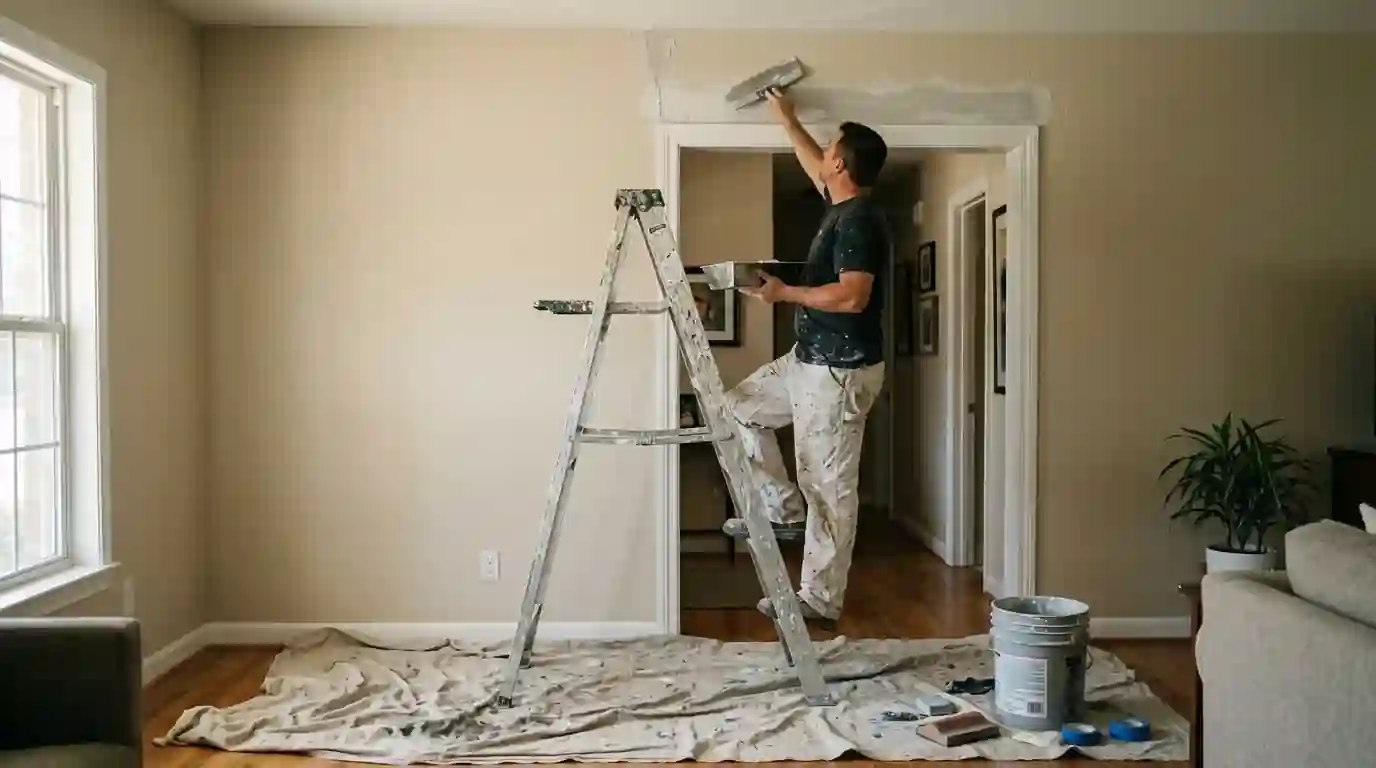
Inside, sagging or cracked plaster ceilings are common in older Ryan Place homes. We reattach loose plaster to the lath with plaster washers and screws, fill cracks with setting compound and skim coat where needed before priming with a bonding primer. A flat ceiling paint hides the remaining imperfections best. Cove and crown details are cut in by hand rather than rolled over. Picture rails stay intact, and we cover floors with rosin paper and drop cloths before any plaster dust is made.
Typical Ryan Place exterior repaints, including stucco and wood trim, run $7,920 to $15,600, depending on size, stucco repair, window count, eave condition and lead precautions. Some homes on Elizabeth Boulevard sit within a local historic designation, so check with the city before changing exterior colors. Those ranges are typical, not quotes; give us a call to set up a walkthrough. Interior plaster work is priced separately.
Streets and places we know in Ryan Place
- Elizabeth Boulevard
- Ryan Place entrance gates at 8th Avenue
- Forest Park Boulevard
- Berry Street