Why settlement cracks keep coming back, and how we slow them down
The diagonal cracks that run up from the corners of doors and windows are classic foundation movement. Fort Worth's expansive clay swells when it's wet and shrinks during drought, so the house flexes a little every season. Smearing spackle over those cracks fails within months, because spackle has no strength across a moving joint. Even premixed all-purpose mud cracks again within a season or two when the opening keeps flexing. The fix has to be built to tolerate a little movement, not just fill a gap.
We open the crack slightly with a utility knife so compound can key in, then bed paper or fiberglass mesh tape in setting-type compound. Setting compound hardens chemically rather than by drying, so it's stronger and shrinks less than premixed mud. We feather the next two coats out 10 to 14 inches wide with a lightweight topping compound, sand with a 150 to 220 grit sponge, and texture to match. If a crack reopens quickly, it's worth having the foundation looked at before we patch it again.
Matching the repair method to the size of the hole
Small dings and screw holes need only lightweight spackle and a light sanding. Holes up to about four inches, from doorknobs or removed anchors, get a self-adhesive mesh patch or a California patch, where a piece of drywall is cut with its paper face left wider than the hole and bedded like tape. Mesh patches are quick, but a California patch sits flatter and is easier to hide under texture, so we use it on walls that catch strong side light from a nearby window.
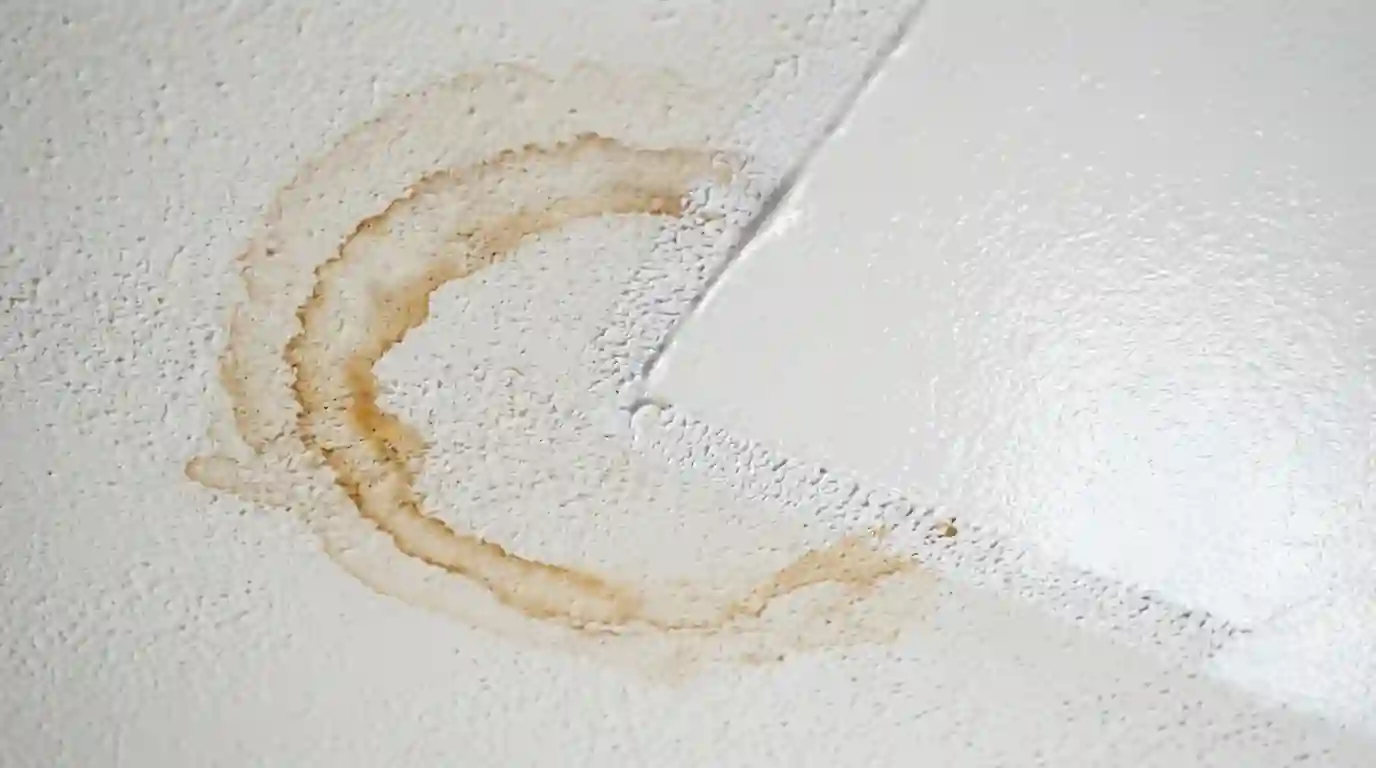
Anything larger gets cut back to a clean rectangle. We screw wood backing strips inside the opening, fasten a new piece of board of the same thickness, usually half-inch on walls and sometimes five-eighths on ceilings, then tape all four seams. Water-damaged board is replaced instead of patched, because soaked gypsum crumbles and won't hold screws. We check behind any opening for wiring, plumbing or insulation before cutting. A stud finder and a small inspection hole save surprises.
- Nail pops: reset with a drywall screw beside the old nail, then spot finish
- Small holes: lightweight spackle, two coats
- Doorknob holes: mesh or California patch
- Large holes: backing strips and a new board piece
- Loose tape seams: cut out loose tape, re-tape in setting compound
What drywall repair typically costs in Fort Worth
$245 to $865
for 2 to 6 small or medium patches in one visit, textured, primed and painted to the nearest corner. Your price comes from a written scope after we see the job.
What moves the number
- Number and size of holes or cracks
- Ceiling repairs versus wall repairs
- Texture type and how hard it is to blend
- Painting the patch, the full wall or the room
- Vaulted ceilings or stairwell access
- Furniture moving and dust protection needed
How do you make a patch invisible after painting?
Most patches show for one of three reasons: the edges weren't feathered wide enough, the texture doesn't match, or the paint sheen differs. Fresh joint compound is far more porous than painted drywall, so paint applied directly over it dries flatter and lighter. That dull spot is called flashing, and it's especially obvious on eggshell and satin walls in raking light from a window. Ceilings show flashing less, since they're usually flat paint.
We prevent it by spot priming every patch with a drywall primer or a high-build primer, then painting corner to corner on that wall rather than dabbing the patch. When the original paint has aged or the color is unknown, we take a chip to have it matched, and we'll tell you up front if repainting the whole room will look better than painting one wall. Touch-up from an old can stored in a hot garage often fails to match.
Repairs as part of a repaint, or a visit on their own
When we're painting interiors, drywall repair is part of the prep. Our painters walk each room with a work light held low against the wall, circling dents, nail pops and cracks in pencil, then fixing them before any color goes on. That's when repairs cost least, since priming and painting are already planned. Fixing every flaw up front also means the finished color looks even, since fresh paint in a satin or eggshell sheen makes any leftover dent or crack far more noticeable than the old faded paint ever did.
We also handle repair-only visits: a hole left after a TV mount came down, a seam that split after a hot summer, or a ceiling patch after a plumber opened it up. Because compound needs drying time between coats, a standalone repair often takes two short visits, one to patch and tape, one to finish, texture and paint. Setting compound can shorten that when the schedule is tight. We bring matching paint on the second visit.
Signs it is time for drywall repair
- Diagonal cracks running from the corners of door frames or window openings
- Small round bumps or popped nail heads in rows across walls or ceilings
- Tape seams that are bubbling, peeling or showing a visible line
- Doorknob holes behind doors that were missing a stop
- Anchor holes and torn paper left after removing a TV mount
- Cracks at the wall-to-ceiling corner that open and close with the seasons
How we handle drywall repair, step by step
- 1
Mark every repair
We check each wall with a low-angle work light, circle every crack, ding and nail pop in pencil, and agree with you on which walls will be repainted afterward.
- 2
Protect the room
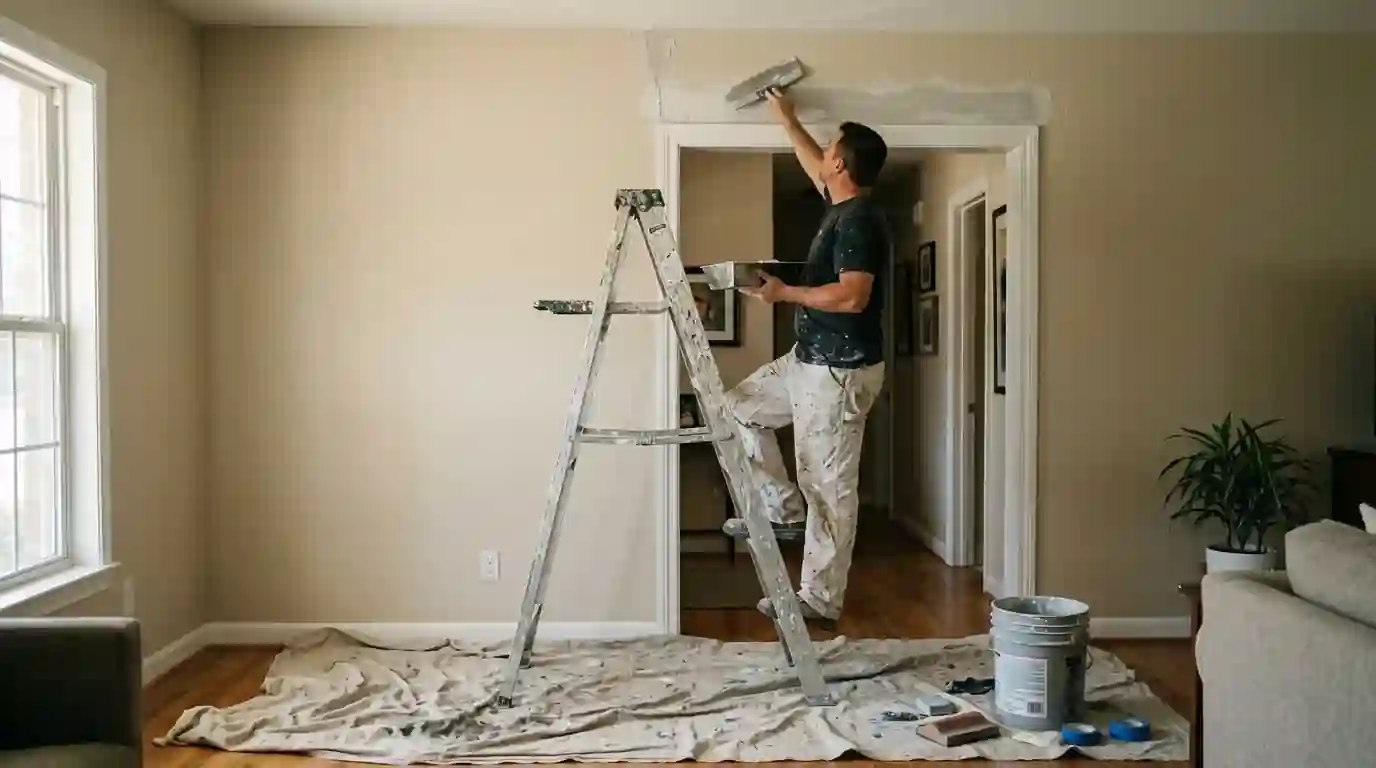
Furniture moves to the center under plastic, floors get drop cloths, and we tape plastic over doorways and return vents when sanding so dust doesn't travel through the house.
- 3
Cut out and rebuild
Loose tape and crumbled gypsum come out. Large holes get backing and new board, cracks get opened and taped in setting compound, and popped nails get reset with screws.
- 4
Finish in three coats
A bedding coat, a fill coat and a wide skim coat go on, each dried or set before the next, then we sand smooth with a fine sponge to limit dust.
- 5
Match the texture
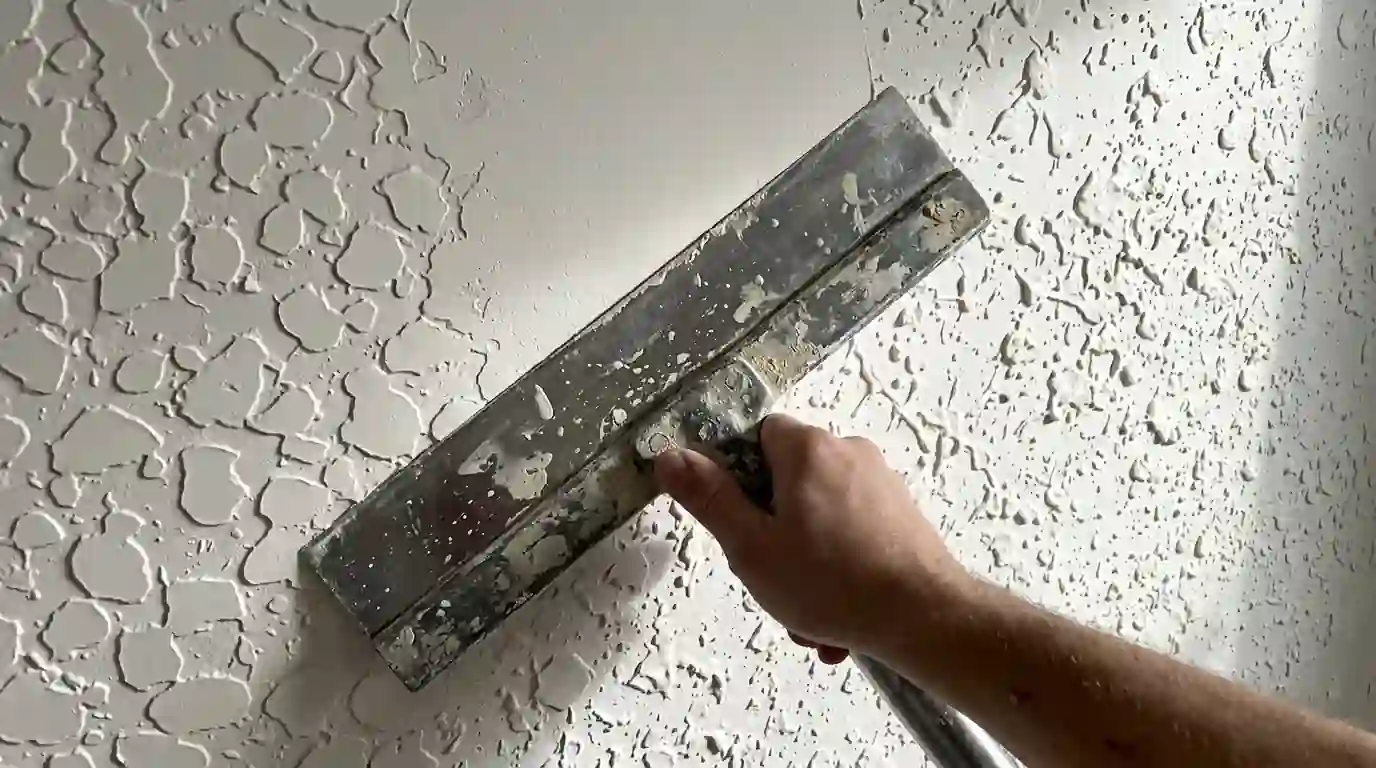
We test the texture on scrap board first, adjusting mud thickness and spray pressure, then apply it to the patch and blend its edges into the surrounding wall.
- 6
Prime and paint the wall
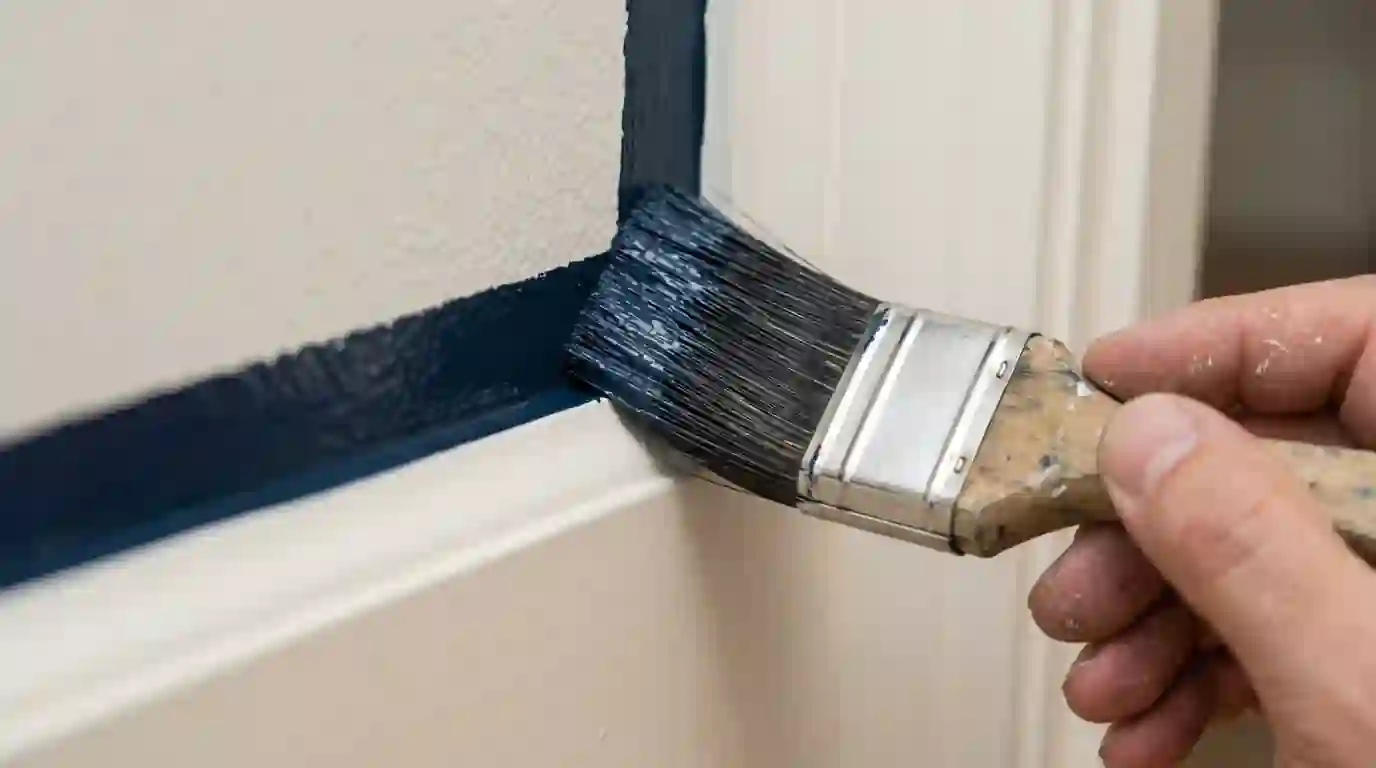
Each patch gets spot primed, then we paint the full wall or ceiling plane so sheen and color are even, and walk the room with you in daylight.
Fort Worth conditions that shape drywall repair
The clay soils under much of Tarrant County are the single biggest reason drywall cracks here. A wet spring followed by a dry August can move a slab enough to crack corners, split seams over doorways and pop nails across ceilings. Homes built in the 1950s and 1960s in areas like Wedgwood and Westcliff often have plaster or early drywall with different textures, while 1990s and 2000s homes in Summerfields and Park Glen are usually half-inch board with orange peel or knockdown. We see more cracks after long droughts, and many reappear if the foundation is still adjusting. If you've just had foundation repair, it's best to wait a few weeks for the house to settle before we fix the walls.
Where we offer drywall repair around Fort Worth
Across Fort Worth (76102 and surrounding ZIP codes), including Fairmount, Ryan Place, Mistletoe Heights, Arlington Heights, Tanglewood, Westcliff and other neighborhoods, plus these nearby cities and counties:
- Arlington 76010
- Grand Prairie 75050
- North Richland Hills 76180
- Mansfield 76063
- Euless 76039
- Grapevine 76051
- Bedford 76021
- Keller 76248
- Burleson 76028
- Haltom City 76117
- Hurst 76053
- Southlake 76092
- Weatherford 76086
- Saginaw 76179
- Colleyville 76034
- Benbrook 76126
- Tarrant County 76102
- Denton County 76201
- Johnson County 76031
- Parker County 76086