What each option actually changes in your kitchen
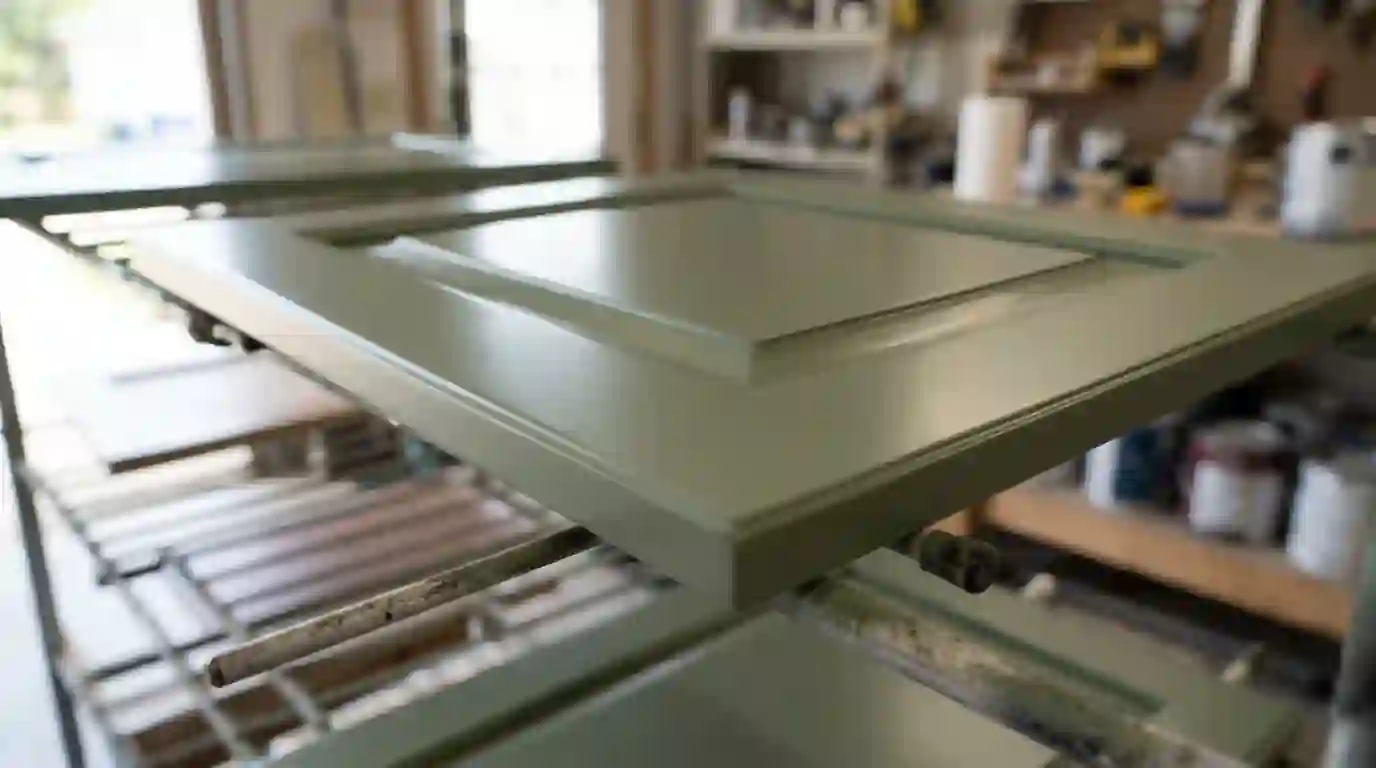
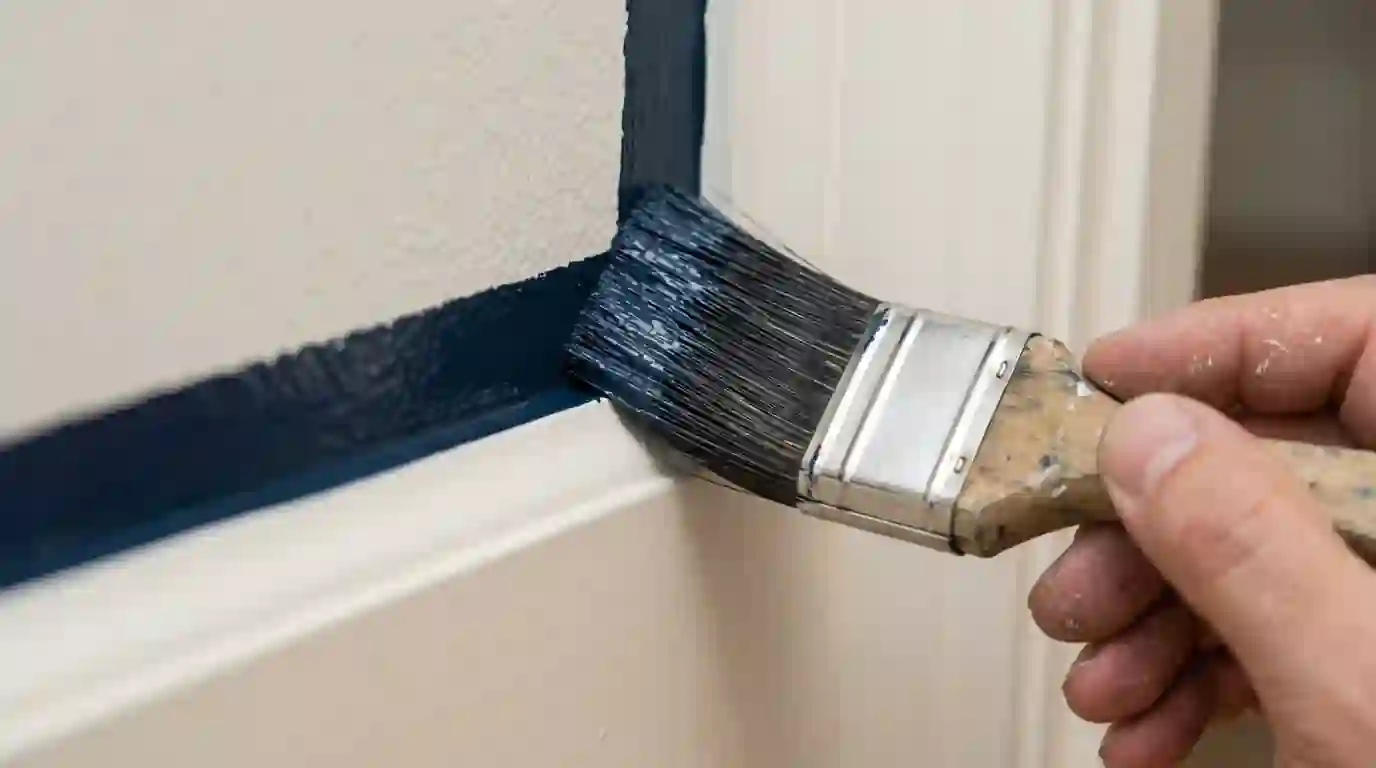
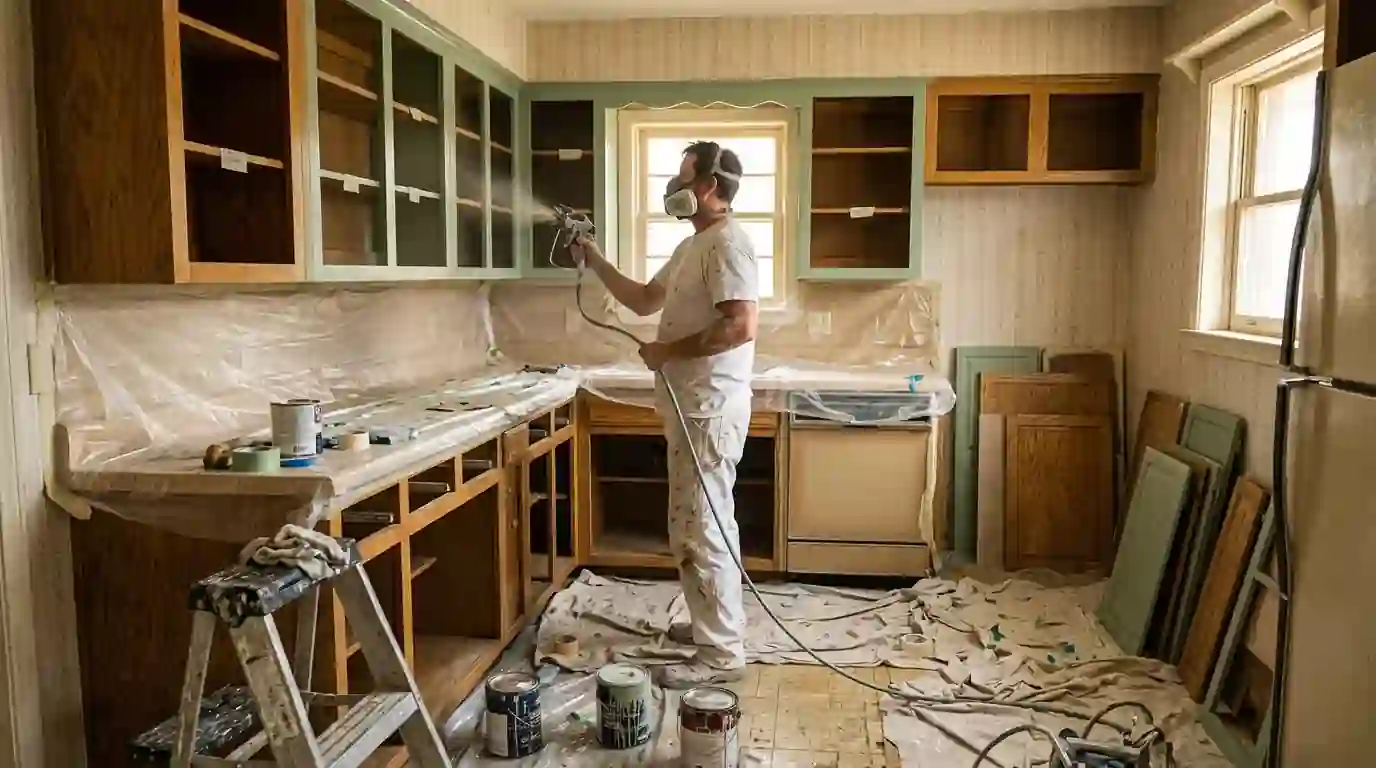
Painting keeps everything you have, the boxes, doors, drawer fronts and layout, and changes the color and finish. Done properly, it means removing doors and hardware, deglossing, sanding, priming with a bonding primer and spraying two coats of a hard-curing cabinet enamel. Refacing keeps the cabinet boxes but replaces the doors and drawer fronts and covers the face frames and exposed sides with matching veneer or laminate. It usually comes with new hinges and pulls, and it can change the door style, such as moving from raised panel to shaker. Replacement removes everything and installs new cabinets, often with new countertops, backsplash and sometimes plumbing or electrical moves. The farther down this list you go, the more you can change, and the more you'll spend and wait.
Typical Fort Worth costs for each route
Prices depend heavily on kitchen size, cabinet count and materials. The ranges below assume a mid-size kitchen of about 25 to 35 linear feet of cabinetry, uppers and lowers combined, and are typical Dallas-Fort Worth figures rather than quotes. Painting includes prep, bonding primer, two topcoats, reinstallation and hardware swap if you supply new pulls. Refacing covers new doors, drawer fronts, veneer and hinges. Replacement covers mid-range stock or semi-custom cabinets with installation but not countertops, which typically add $3,200 to $9,500 more because existing tops rarely survive removal. Kitchens with tall uppers that reach a 9 ft ceiling, glass-front doors or a big pantry wall land toward the top of each range.
- Cabinet painting: $3,850 to $8,600
- Cabinet refacing: $8,900 to $19,500
- Cabinet replacement, mid-range: $17,800 to $46,000 and up
- Countertops if replaced with cabinets: $3,200 to $9,500
How long each finish lasts in daily use
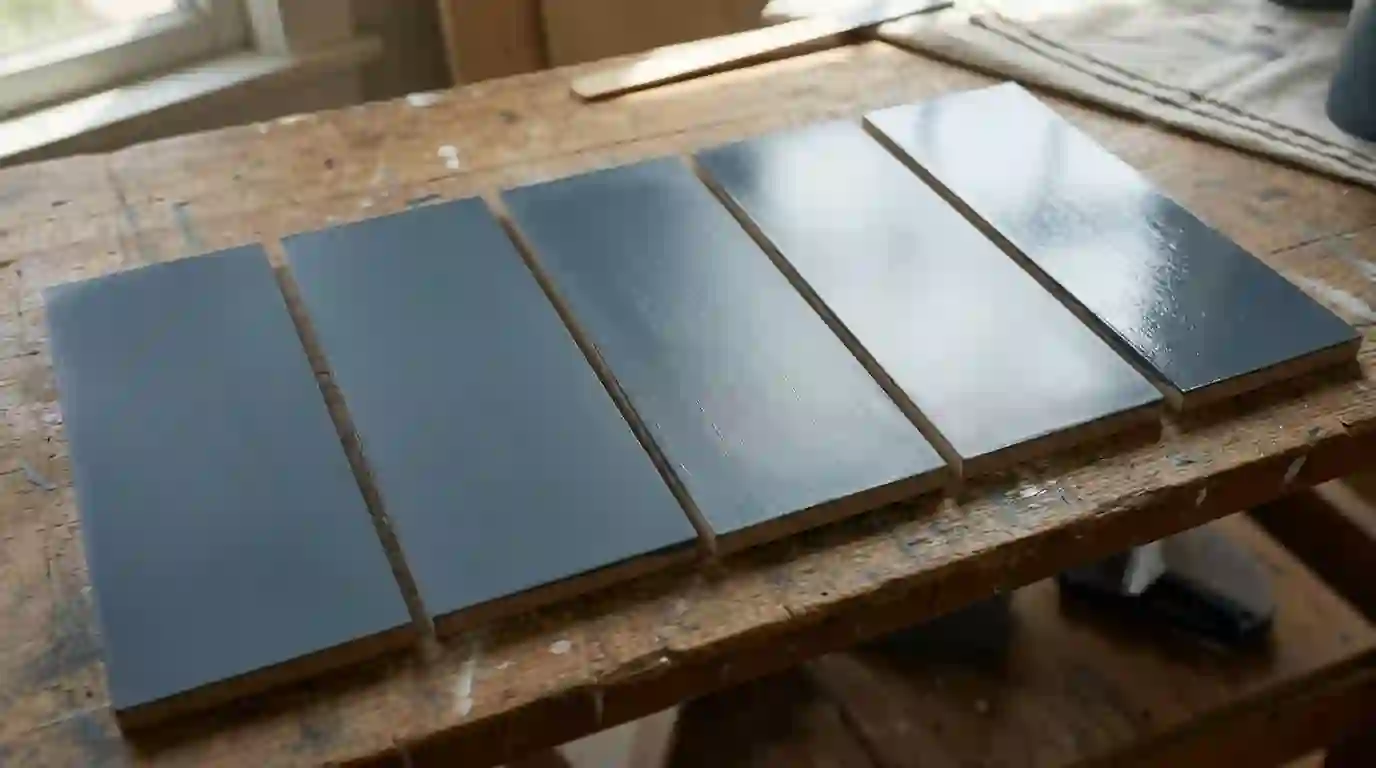
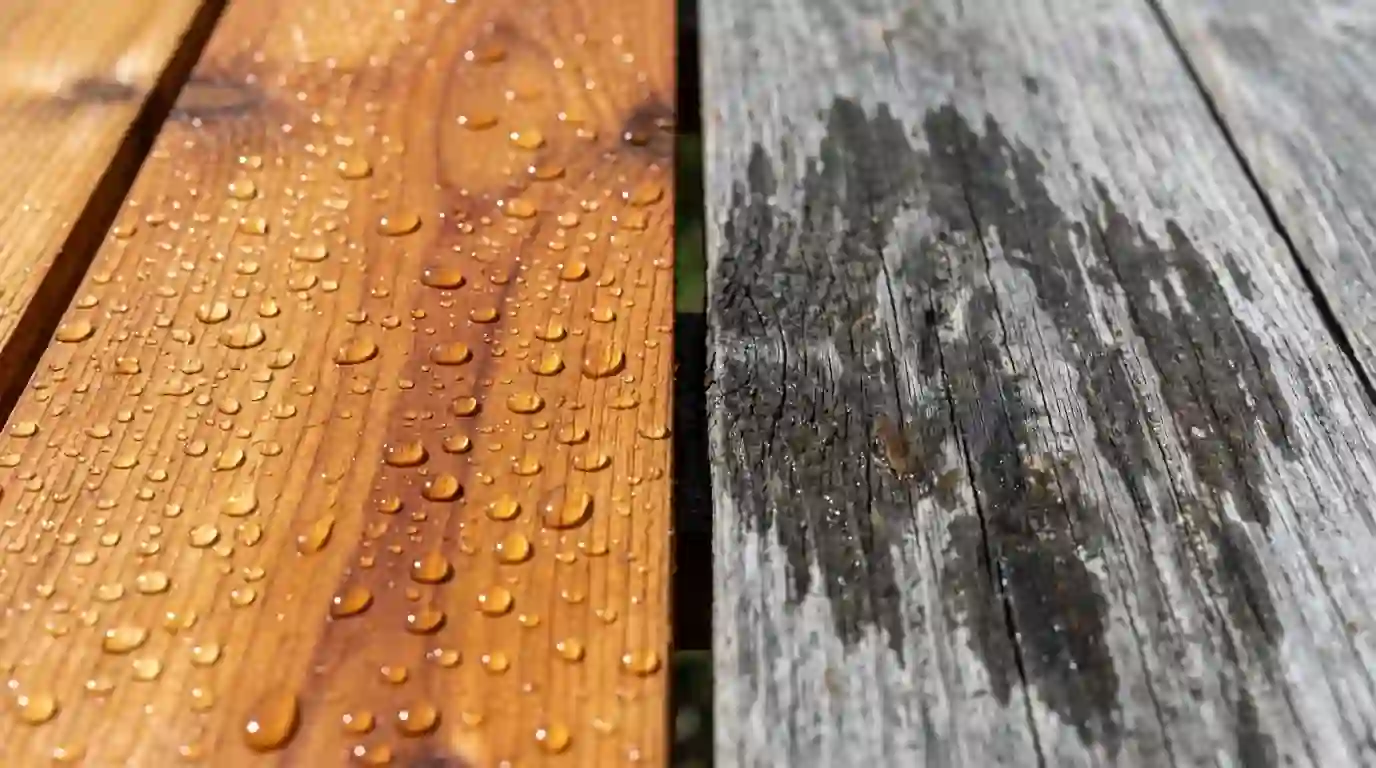
A factory-finished cabinet, whether new or refaced, has the most durable surface out of the box, often a catalyzed conversion varnish baked on in a controlled booth. Painted cabinets can come surprisingly close when the products and prep are right. We use waterborne alkyd or urethane-modified acrylic enamels designed for cabinets, applied over a bonding primer after scuff sanding with 180 to 220 grit, and sprayed for a smooth, brush-free finish. These coatings reach full hardness in about 21 to 30 days. During that stretch, doors should close gently and you'll want to avoid harsh cleaners. Once cured, a well-painted cabinet typically looks good for 8 to 12 years in a busy kitchen, with chips near the trash pull or dishwasher the most common wear. Touch-ups are simple because we leave you labeled leftover paint.
Timeline and how long your kitchen is out of service
Painting has the shortest disruption. On a typical kitchen we remove doors and drawer fronts on day one and take them to our spray area while we prep and paint the boxes on site. The boxes usually take two or three days, and the doors return about five to eight working days after removal, depending on coats and dry times. You can usually still use the sink, stove and fridge, though cabinets themselves should be emptied of anything you need daily. Refacing typically takes three to five days on site after doors are ordered, which can mean a three to six week lead time first. Replacement is the longest. Ordering, demolition, installation, countertop templating and fabrication, and plumbing hookups often stretch from six weeks to three months, with the kitchen unusable for much of that period.
Which Fort Worth kitchens are good candidates for paint
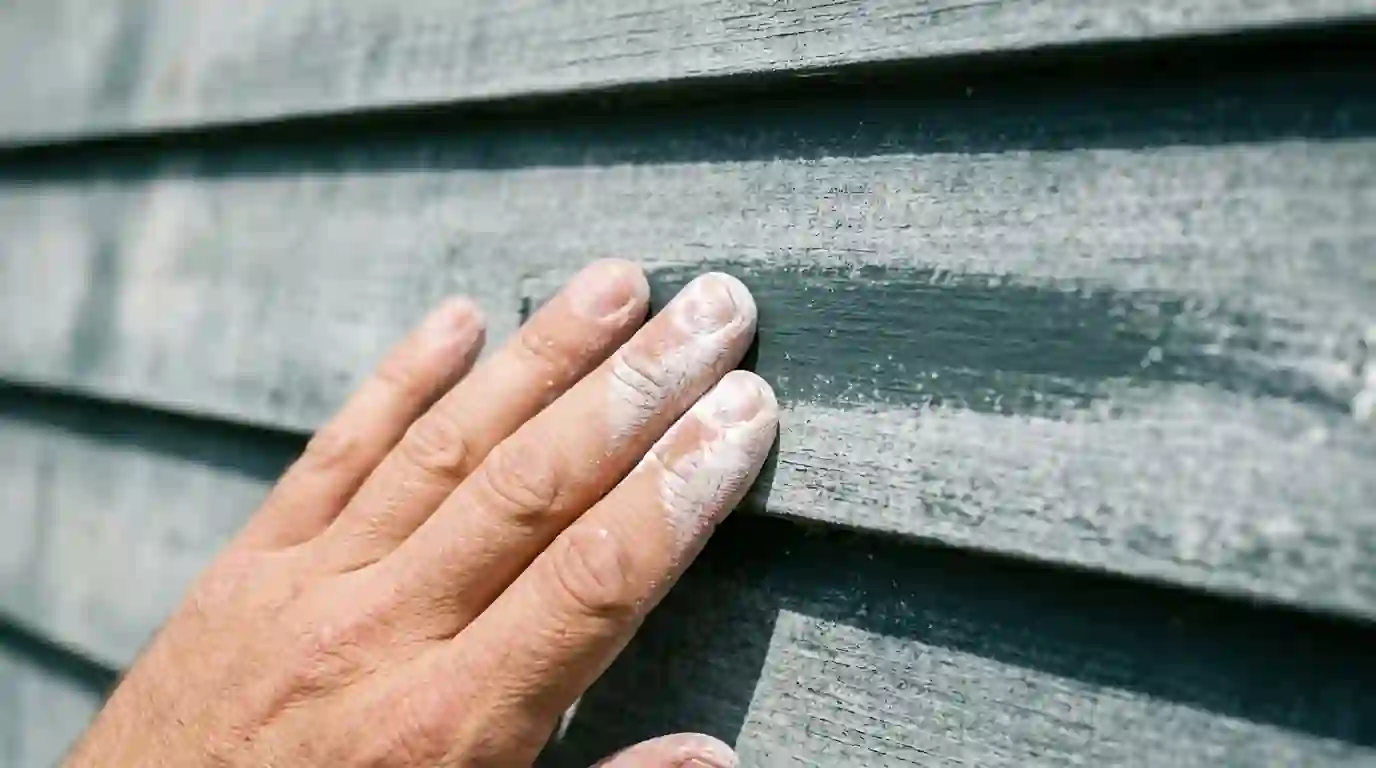
Painting suits kitchens where the bones are good. Solid wood or quality plywood boxes with hardwood face frames, common in 1960s to 1990s homes across Wedgwood, Candleridge and Hurst, take paint very well. Oak cabinets with open grain can be painted too, and if you want a smooth look instead of visible grain texture, we fill the grain with a grain filler before priming. Layouts that already work for you, with enough drawers and counter space, are the strongest candidates. Painting is less suitable for thermofoil or vinyl-wrapped doors, which peel and don't hold paint long term, and for particleboard boxes that have swollen near the sink or dishwasher. Those conditions point toward refacing or replacement instead of a coat of paint.
When refacing or replacement is the smarter spend
Refacing earns its higher price when you want a new door style. Paint can't turn a cathedral arch into a flat shaker panel, and refacing can. It also makes sense when the existing doors are damaged, thermofoil, or simply too dated to work with, but the boxes behind them are sound. Replacement is the right call when the layout itself is the problem: no room for a dishwasher, an island that blocks traffic, too few drawers, or cabinets that end short of the ceiling and leave dusty gaps. Water damage under the sink that has crumbled the particleboard is another sign. In those cases, spending several thousand dollars on paint or refacing only postpones the bigger project. If a full remodel is coming in two or three years, a painted update can bridge the gap affordably.
How to decide for your own kitchen
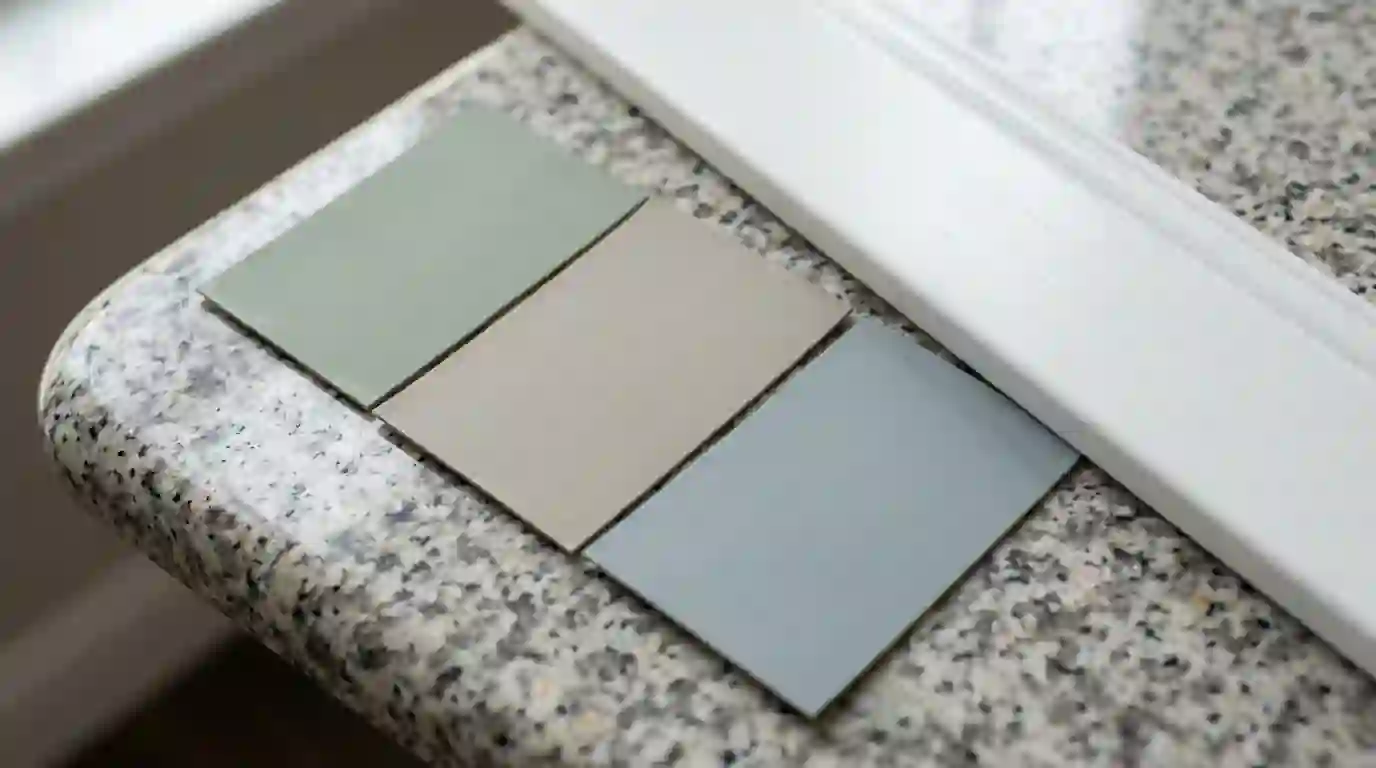
Open a few cabinet doors and look inside. If the boxes are dry, the shelves aren't sagging and the doors still close square, painting will likely give you the most change for the money. If you love the layout but hate the door style, get a refacing price. If the layout fights you every day, budget for replacement and don't spend heavily on cosmetic fixes. Hardware, lighting and a fresh backsplash can lift painted cabinets considerably for modest cost. Also think about resale: in many Fort Worth neighborhoods, freshly painted cabinets in a warm white, greige or soft green read as updated to buyers. Call us and describe your kitchen, and we can look at the cabinets and tell you plainly whether paint is the right route.