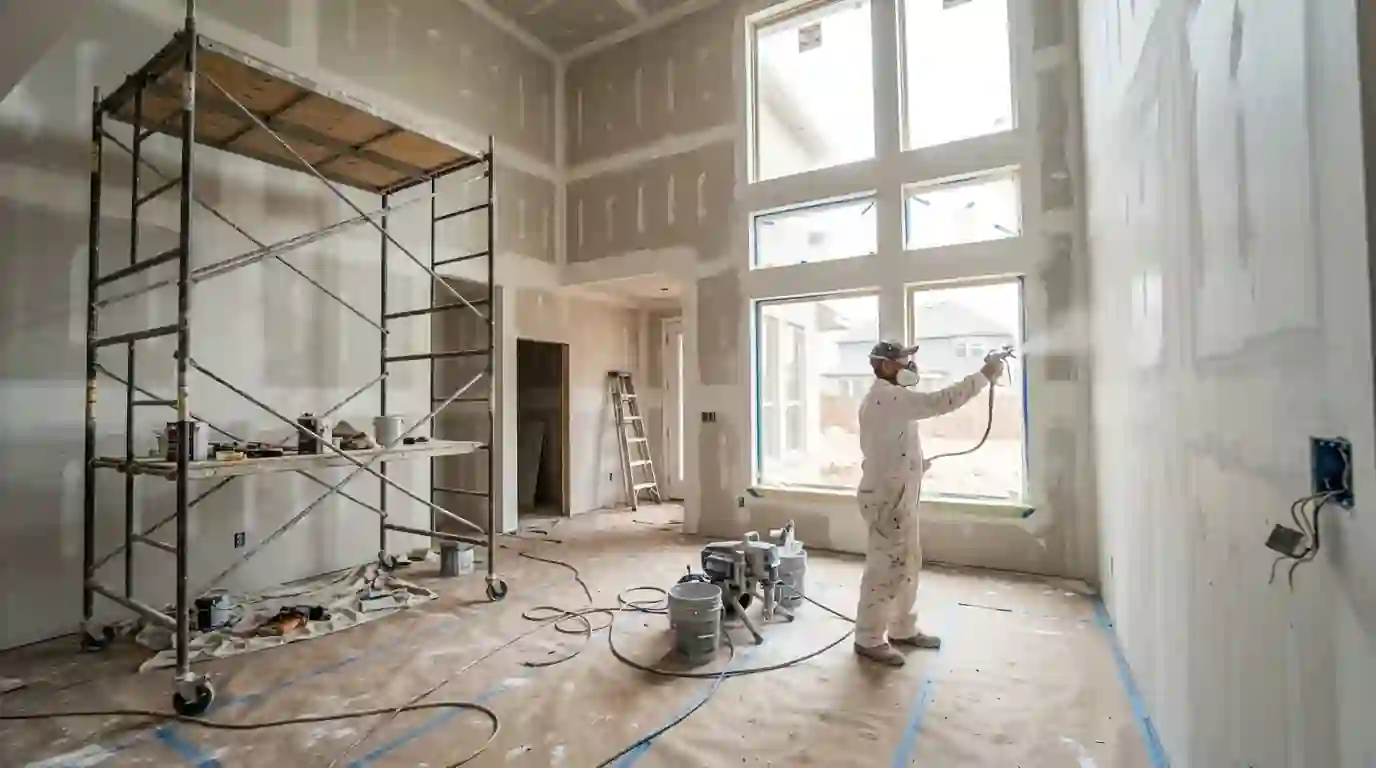
Where paint fits in the build sequence
Paint goes on after drywall finish and trim installation but before flooring, countertops, plumbing fixtures and final electrical trim. On a typical Fort Worth production home, we receive the house once the tape-and-bed crew has sanded and the trim carpenter has installed base, casing and doors. Our first visit fills nail holes, caulks trim joints and primes. The second visit applies finish coats. The final visit is punch-out, after flooring, cabinets, appliances and fixtures are in.
Getting into the house too early is the most common cause of return trips on new homes. If drywall mud hasn't dried completely in humid weather, primer can flash and joints may show through the finish. We check mud with a moisture meter where it looks questionable and tell the superintendent when a house needs another day. That small delay usually saves a full day of touch-ups later. We'd rather wait than paint twice.
Priming new drywall so joints and texture don't flash
New drywall is a mix of paper face and joint compound, and the two absorb paint differently. Without a proper primer, flat or eggshell finishes show joint lines and patches as dull or shiny bands, which buyers notice in afternoon light. We spray a PVA drywall primer or a high-hiding acrylic primer across all new walls and ceilings, then backroll to work it into the texture. On level 5 finishes or smooth walls, we may use a higher-build primer surfacer.
Knockdown and orange peel textures are common in Fort Worth homes, and they hold primer differently than smooth walls. Backrolling forces material into the texture so the surface looks uniform. Once primer dries, we look down each wall with a work light to catch any joint ridges or nail pops before finish coats go on. Any flaws are flagged to the superintendent for the drywall crew to address. Nothing gets buried under finish paint.
- PVA or high-hiding acrylic primer on new walls and ceilings
- Backroll after spraying to even out texture
- Wall inspection with a raking work light
- Finish coats only after joints and nail pops are addressed
What new construction painting typically costs in Fort Worth
$2.10 to $3.85 per square foot
of conditioned floor area for a typical new single-family interior, walls, ceilings, trim and doors. Your price comes from a written scope after we see the job.
What moves the number
- Ceiling heights and two-story foyers
- Number of wall colors and accent rooms
- Trim style, crown molding and built-ins
- Stained versus painted doors and millwork
- Exterior siding, trim and soffit scope
- Number of punch-out return visits
Trim, doors and cabinets: the details buyers touch
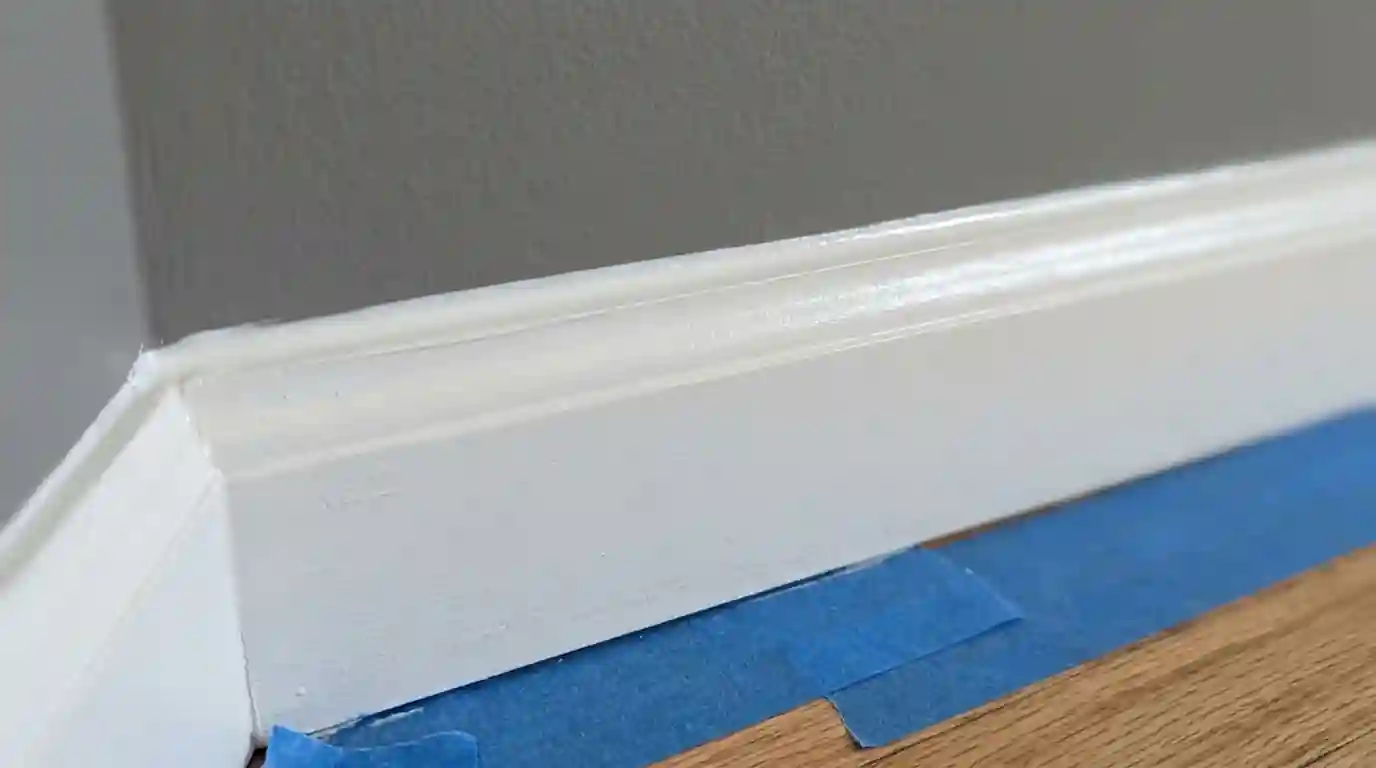
Trim and doors are where new construction quality shows. We fill nail holes with wood filler or lightweight spackle, caulk every joint with a paintable acrylic latex caulk, sand with 180 to 220 grit, and spray or brush a waterborne alkyd or urethane-modified acrylic enamel. Those enamels level out like traditional oil but clean up with water, dry faster and stay whiter than oil, which tends to yellow in closets and dim rooms.
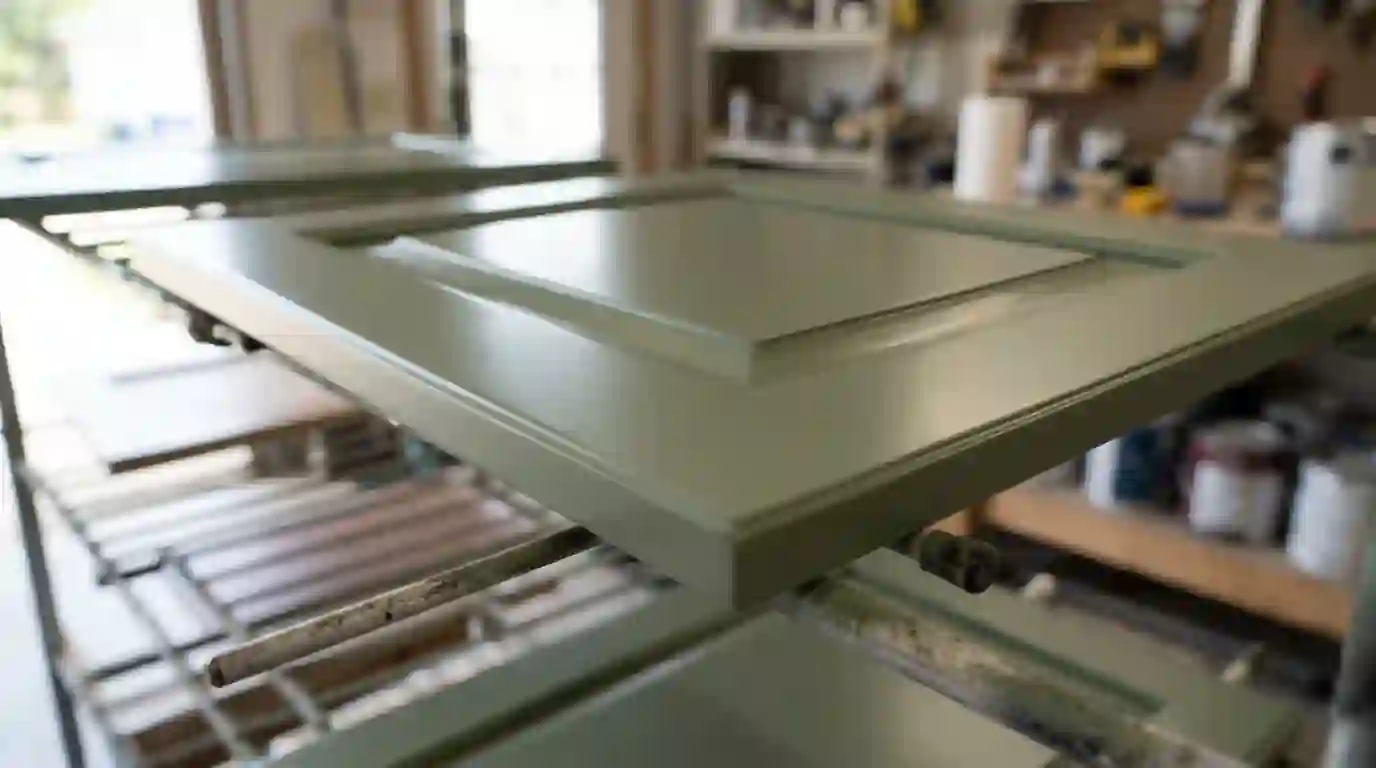
If the builder is staining doors, beams or stair parts instead of painting them, we pre-condition softwood to prevent blotching, apply stain by hand, and seal with a waterborne polyurethane. Cabinets supplied unfinished can be sprayed in place with a catalyzed or high-build cabinet coating, but most builders order factory-finished boxes. We'll note in the bid whether cabinets, built-ins and shelving are in our scope. Closet shelving is usually painted before install.
Exterior paint on new siding, trim and soffits
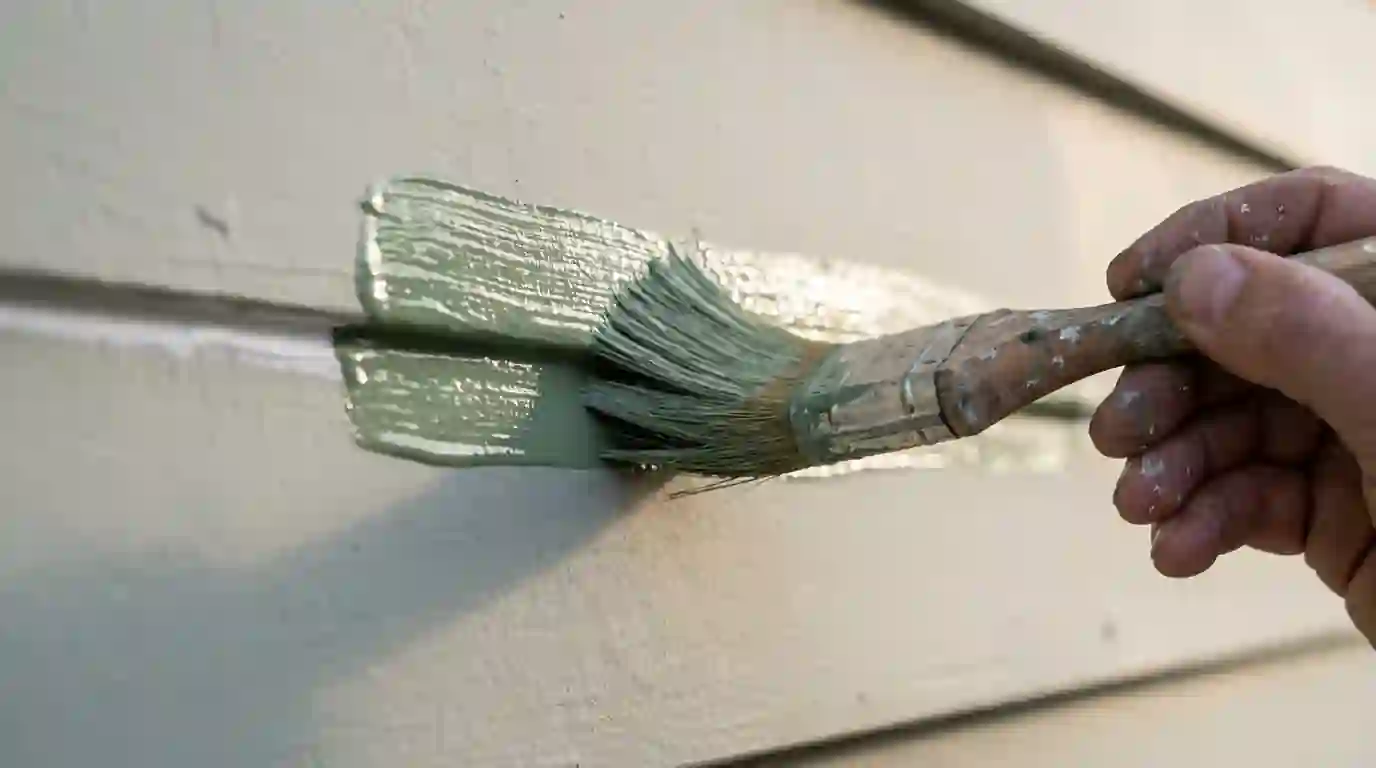
Many new Fort Worth homes are brick or stone with painted fiber-cement siding, trim, fascia and soffits. Fiber-cement usually arrives factory primed, and we apply two coats of a premium 100% acrylic exterior paint within the manufacturer's recommended window after installation. Cut ends that weren't sealed during install get primed before finish paint. Wood trim and corbels are primed on all exposed surfaces, including the backs where we can reach them.
We also paint garage doors if they're supplied primed, exterior entry doors and any exposed rafters or beams on porches and patio covers. In the hottest months, we start on east elevations in the morning and finish west and south faces in the afternoon shade. Caulk joints at windows and trim get a high-performance elastomeric sealant that stays flexible as the house settles on clay soil. We avoid painting when rain is forecast within hours.
Punch-out visits and closing deadlines
After flooring, countertops, fixtures and appliances go in, every new house has marks and nicks from other trades. We return for punch-out with labeled touch-up paint for each color and sheen, and we use small rollers and brushes so touch-ups blend with the surrounding finish. On some walls, especially flat finishes in big open rooms, we repaint from corner to corner rather than spot touching to avoid flashing. Buyers rarely spot those repairs.
Builders usually schedule a second punch-out right before the buyer walk, and sometimes a third after the walk for items the buyer marks. We price punch-out visits clearly in the bid so the builder knows what's included. Superintendents can call us 24/7 with a closing date change, and we'll fit punch-out around the new schedule whenever possible. Each visit ends with a quick walk alongside the superintendent so nothing is missed before the keys change hands.
Signs it is time for new construction painting
- Drywall is finished and sanded, and trim and doors are installed
- The superintendent needs a painter who can match a tight closing schedule
- Previous painters left joint flashing or roller marks visible in raking light
- Trim enamel on recent homes has yellowed or shows brush marks
- Fiber-cement siding was primed at the factory but needs finish coats
- Buyer walk punch lists keep coming back with paint items
How we handle new construction painting, step by step
- 1
Plan review and schedule fit
We review plans, finish schedules and color selections, confirm which surfaces are painted or stained, and slot our visits into the builder's construction schedule with realistic durations.
- 2
Fill, caulk and prime
Nail holes are filled, trim joints caulked, and new drywall and wood are primed with PVA or acrylic primer, sprayed and backrolled for an even surface.
- 3
Inspect with raking light
Once primer dries, we inspect walls and ceilings with a raking work light and report joint ridges, nail pops or damage to the superintendent before finish coats.
- 4
Finish walls, ceilings and trim
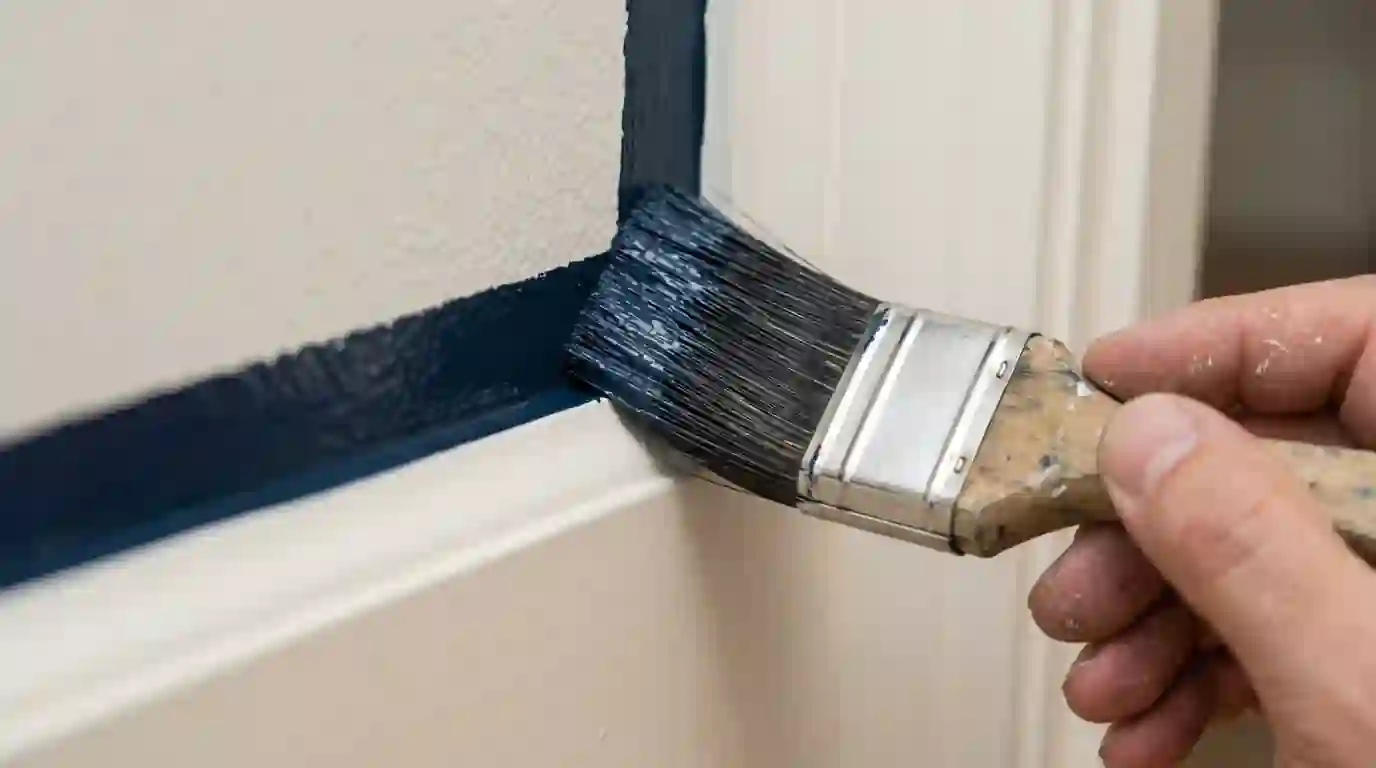
We spray and backroll finish coats on walls and ceilings, then apply waterborne enamel to trim and doors, keeping lines sharp where colors meet. Two coats go on every surface.
- 5
Exterior paint and caulk
Siding, trim, soffits, fascia, garage and entry doors receive finish coats, and window and trim joints get flexible sealant, scheduled to avoid full afternoon sun.
- 6
Punch-out and buyer walk
After other trades finish, we return with labeled touch-up paint for every color and sheen, then handle any paint items from the builder or buyer walk.
Fort Worth conditions that shape new construction painting
New construction around Fort Worth is moving fast in places like the far north along SH-114 and US-287, the Chisholm Trail Parkway corridor to the southwest, and growing parts of Parker and Johnson counties. That pace means trades overlap, and paint quality depends on timing. Summer heat dries primer and paint fast, which can cause lap marks on big walls, so we keep a wet edge by spraying and backrolling in sections. Humidity after storms slows joint compound drying, and painting too soon shows every joint. Expansive clay soils let new slabs settle in the first year, opening caulk joints and drywall cracks over doors. We use flexible caulk and premium paints so that first-year movement causes fewer touch-ups after closing.
Where we offer new construction painting around Fort Worth
Across Fort Worth (76102 and surrounding ZIP codes), including Fairmount, Ryan Place, Mistletoe Heights, Arlington Heights, Tanglewood, Westcliff and other neighborhoods, plus these nearby cities and counties:
- Arlington 76010
- Grand Prairie 75050
- North Richland Hills 76180
- Mansfield 76063
- Euless 76039
- Grapevine 76051
- Bedford 76021
- Keller 76248
- Burleson 76028
- Haltom City 76117
- Hurst 76053
- Southlake 76092
- Weatherford 76086
- Saginaw 76179
- Colleyville 76034
- Benbrook 76126
- Tarrant County 76102
- Denton County 76201
- Johnson County 76031
- Parker County 76086