How each finish works on the brick itself
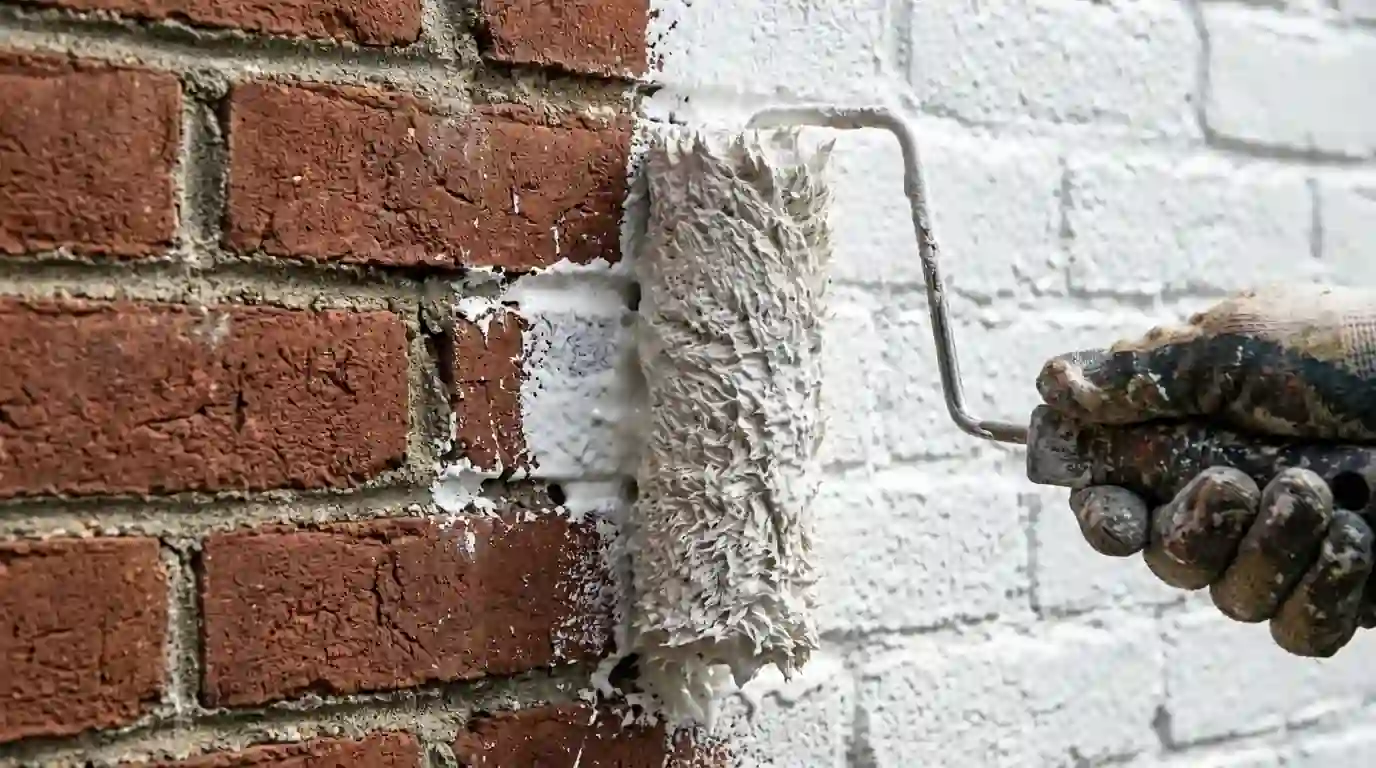
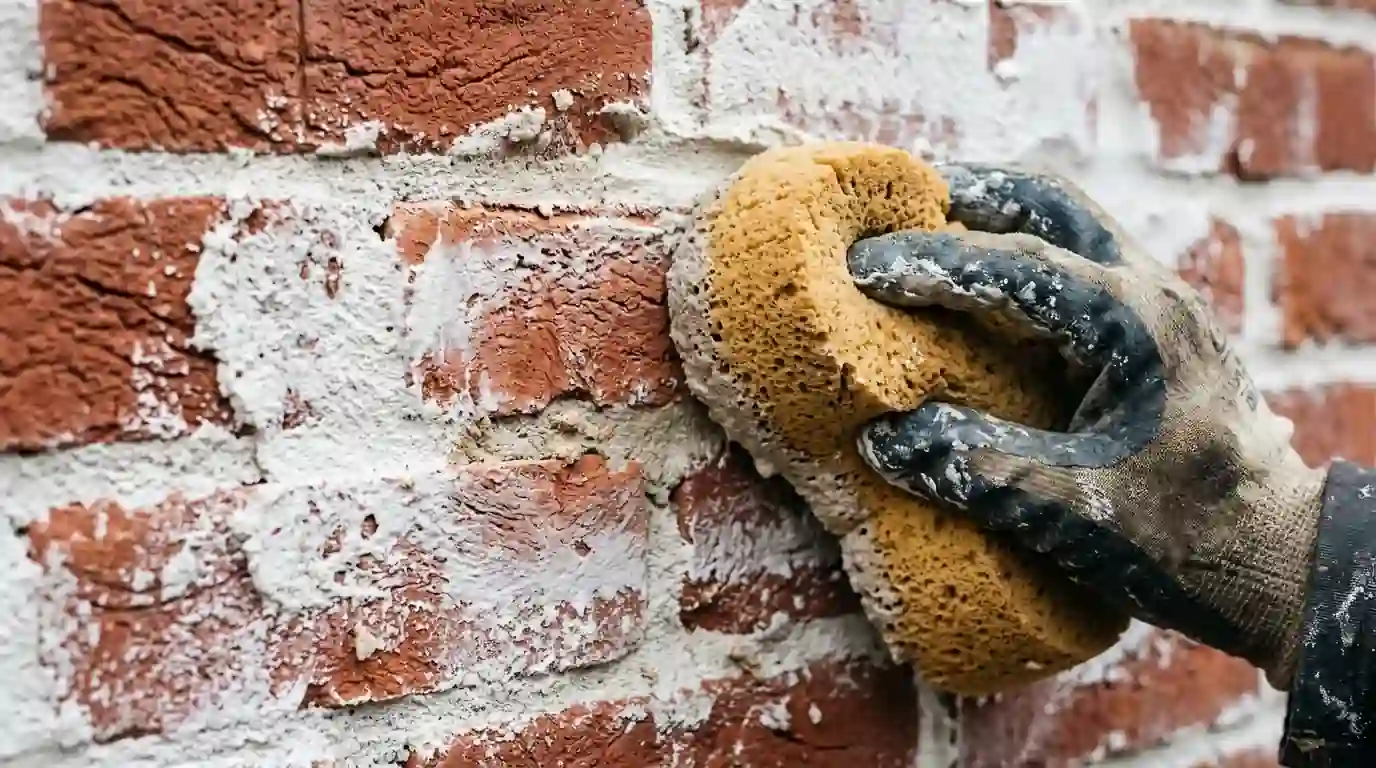
The three finishes look related from the street, but they behave differently at the surface. Paint, usually a breathable acrylic masonry coating over a masonry primer, creates a continuous film that sits on top of the brick and fills the pores. Limewash is slaked lime, water and mineral pigment. It soaks into the brick, then carbonates as it reacts with carbon dioxide in the air, hardening into a thin mineral layer that's part of the surface rather than a skin on it. German smear is a wet mortar mix, typically white or tinted, troweled or sponged over the face and joints, then partly wiped away so some brick shows through. It adds real thickness and texture. Understanding those mechanics explains nearly every difference in breathability, upkeep and reversibility that follows.
Breathability and moisture: where the three differ most
Brick absorbs water during rain and releases it as vapor when the sun comes out. Any coating that slows that release can trap moisture behind it, which leads to peeling, efflorescence and, on older soft brick, spalling. Limewash is the most vapor-open of the three, which is why it's a traditional finish on historic masonry. German smear also stays fairly breathable because it's a cement and lime-based mortar, though very cement-heavy mixes are less so. Paint is the most restrictive. A modern acrylic masonry paint is designed to let vapor pass, but older or cheaper coatings, especially elastomeric and oil-based paints, can seal brick too tightly. In Fort Worth, where hard rain alternates with intense sun, we only paint brick with breathable masonry products and after fixing gutter overflows, sprinkler overspray and grading that soaks the wall.
The look: full color, soft patina or old-world texture
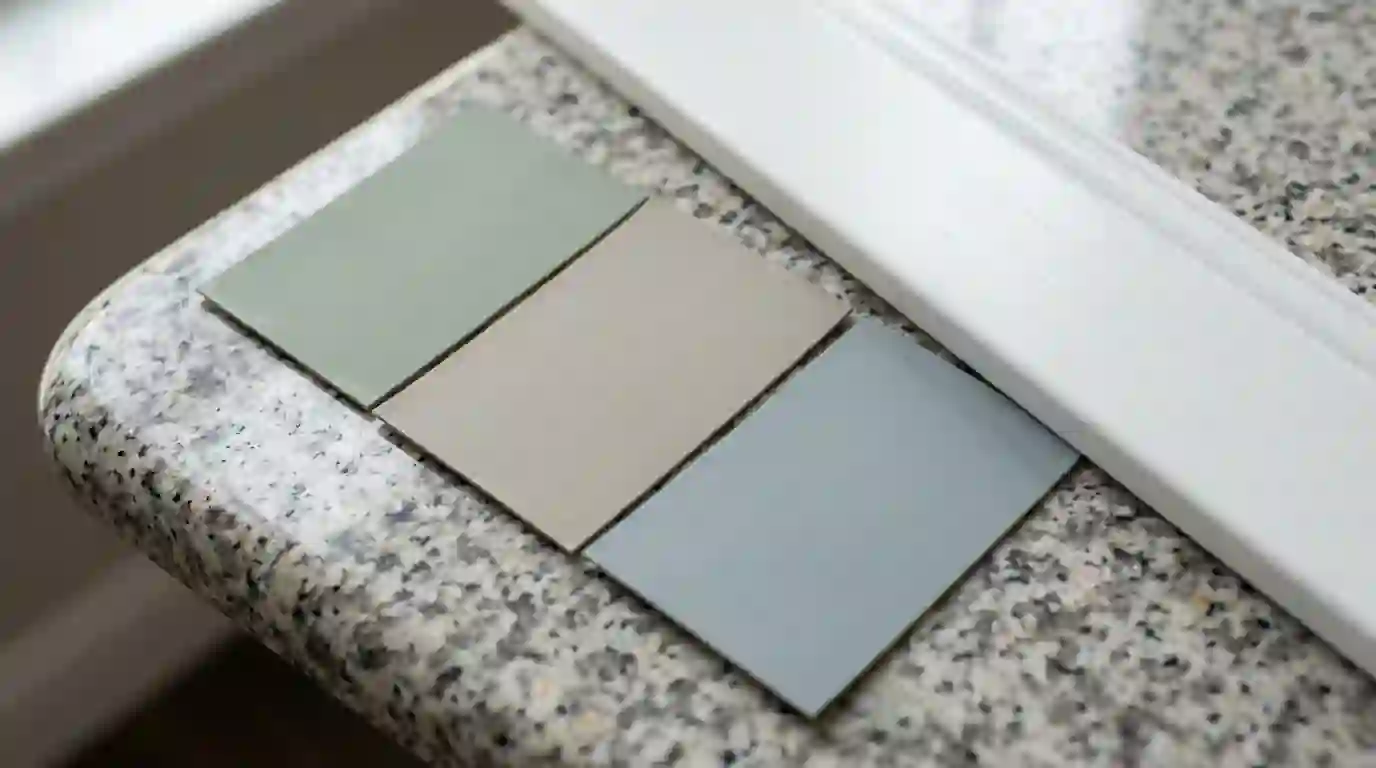
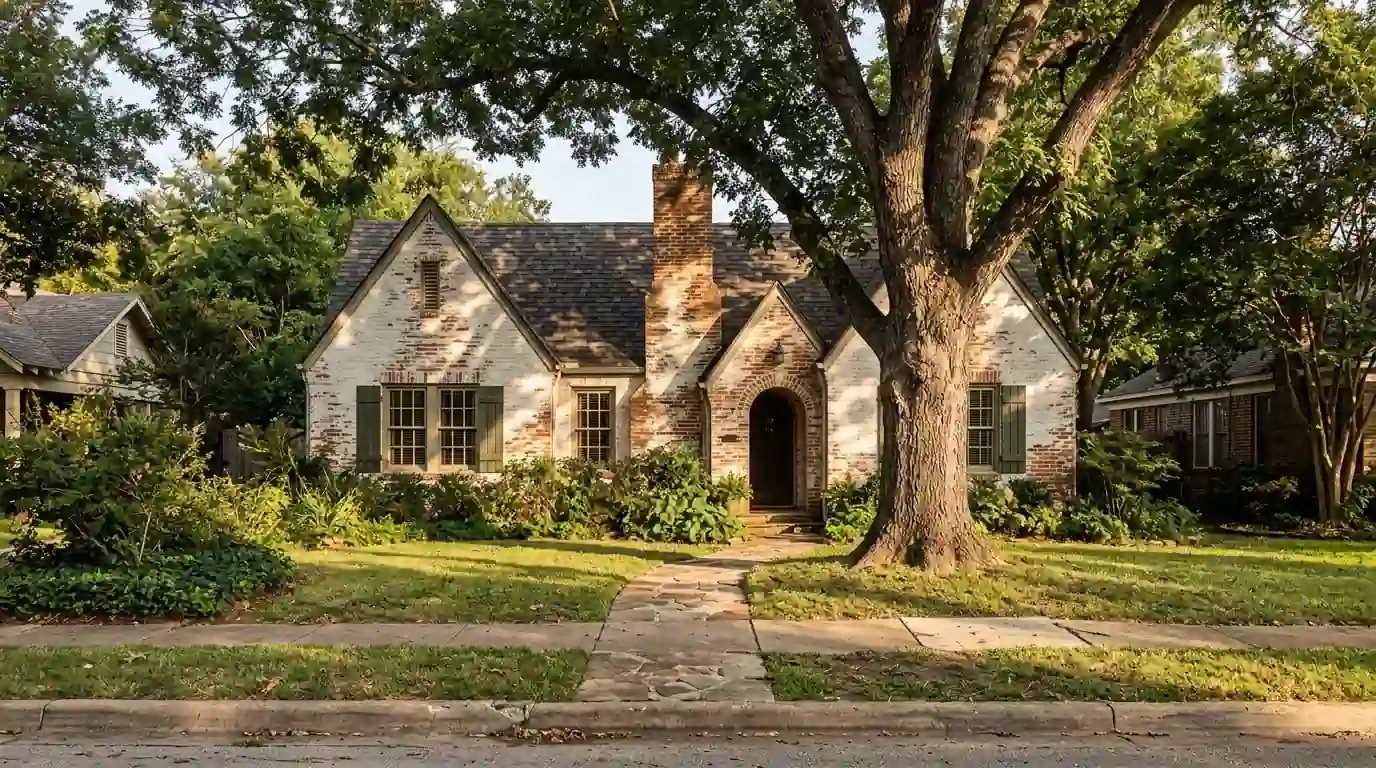
Paint delivers the most control. You can choose any color, from a crisp white to a deep charcoal, and the result is even and modern, which suits many 1960s ranches in neighborhoods like Wedgwood or Ridglea Hills. Limewash reads softer and chalkier, with natural variation brick to brick. Colors are limited to mineral-friendly whites, creams, grays and earthy tones, and some of the original brick color often glows through. It fits Tudors and cottages in Arlington Heights or Fairmount particularly well. German smear is the most textural choice, giving a European cottage or farmhouse feel with chunky mortar covering part of each brick and joint lines softened. Because it adds bulk, it changes the character of the wall more than either alternative. Looking at real homes in person, in both morning and afternoon light, is the best way to choose.
Maintenance and how each finish ages in Texas sun
Painted brick holds its color best at first, but a film coating eventually chalks and fades, especially on south and west walls. Expect a repaint every 8 to 12 years with a quality masonry paint and good prep, sooner where sprinklers hit. Peeling, if it starts, is the main maintenance headache. Limewash weathers gradually rather than peeling. Rain and UV slowly wear it thinner, revealing more brick over 5 to 7 years. Some homeowners love that aging and let it go, while others refresh it with a new coat, which is quick because no stripping is needed. German smear barely changes color over time because it's mortar. It can collect dirt in its texture and may need a gentle wash every few years, but it rarely needs reapplication. Cracks in the substrate from foundation movement will telegraph through any of the three.
- Painted brick: repaint about every 8 to 12 years
- Limewash: optional refresh every 5 to 7 years, no stripping
- German smear: occasional wash, no recoating cycle
Can you change your mind later? Reversibility compared
This is often the deciding factor. Paint is close to permanent on brick. Removing it means chemical strippers, careful low-pressure washing and a lot of labor, and some of the paint stays in the pores no matter what. It can cost more than painting did in the first place. Limewash is the most forgiving. In the first few weeks after application, much of it can be washed back with water and a brush to adjust coverage. Once fully cured, it can still be partly removed with a diluted acid wash and scrubbing, though full removal isn't always possible. German smear is effectively a one-way choice. The mortar bonds to the brick, and grinding or chiseling it off would damage the face. If you're unsure, limewash is the safest experiment, and it can be painted later if you decide you want a fuller color.
Typical Fort Worth costs for each brick finish
Prices vary with wall area, height, brick condition and how much masking windows and trim need. For a typical single-story Fort Worth brick home with roughly 1,600 to 2,000 sq ft of exterior brick face, these are the usual ranges, not quotes. Painted brick, including washing, masonry primer and two coats of acrylic masonry paint, often runs $4,650 to $9,300. Limewash tends to land between $3,950 and $8,400, since it needs no primer but goes on in multiple thin passes with careful blending. German smear is the most labor-intensive at roughly $6,200 to $12,750, because the mortar must be mixed, applied and wiped by hand in small sections. Repairs to cracked mortar joints, failed lintels or damaged brick come first and are priced separately.
Matching the finish to your brick and your home
Start with the brick. Soft, older brick on 1920s and 1930s homes should almost always get limewash or nothing, because film paint can trap moisture and spall the face. Hard, dense brick on 1970s to 2000s homes accepts paint well, provided it's clean and dry. Brick previously painted or sealed is a poor candidate for limewash, which needs bare, absorbent masonry to bond. Next, think about how long you plan to stay and how much you value flexibility. If you're selling in a few years, a neutral limewash or a light painted color tends to appeal broadly. If the home is a long-term family house and you love the European look, German smear's permanence may not bother you. Call us and describe your brick, and we'll come look at it before recommending a finish.