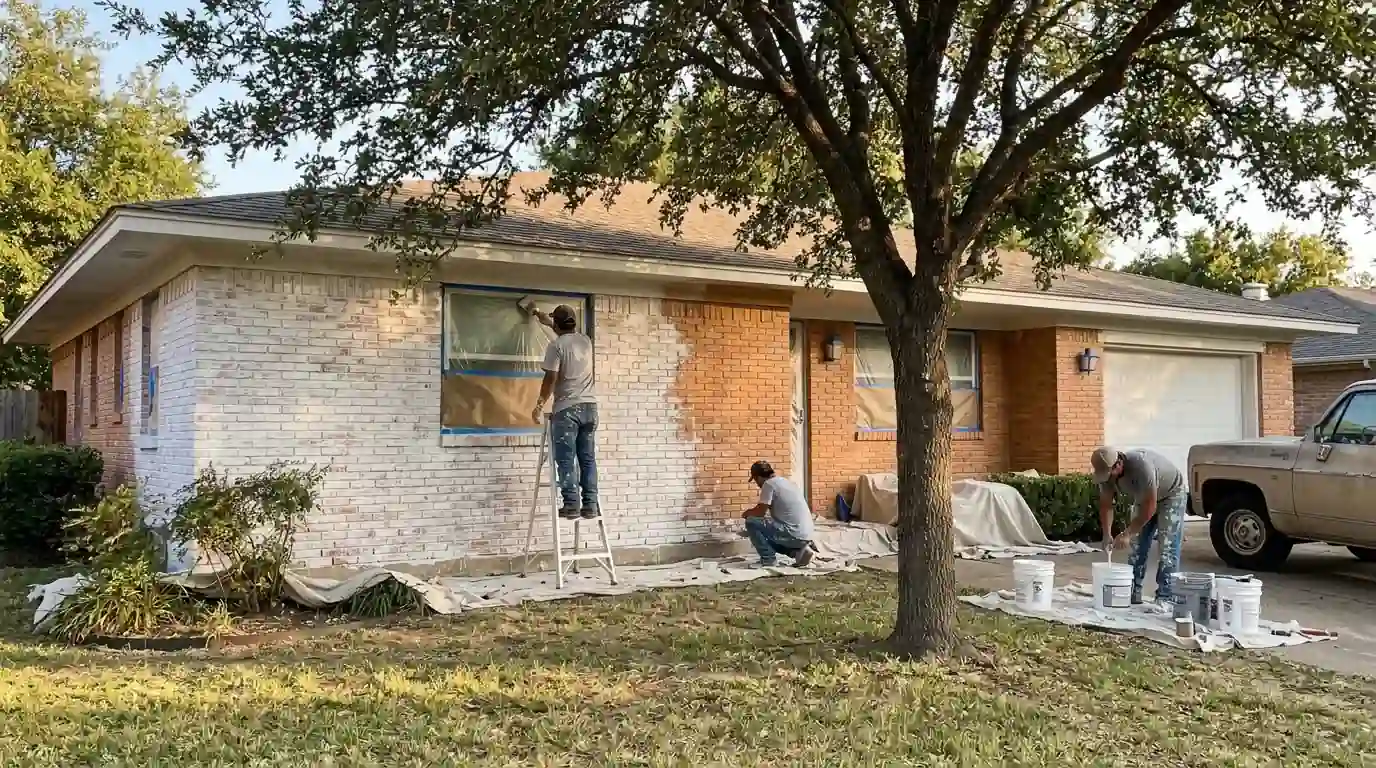
Limewash or German smear: which look suits your brick?
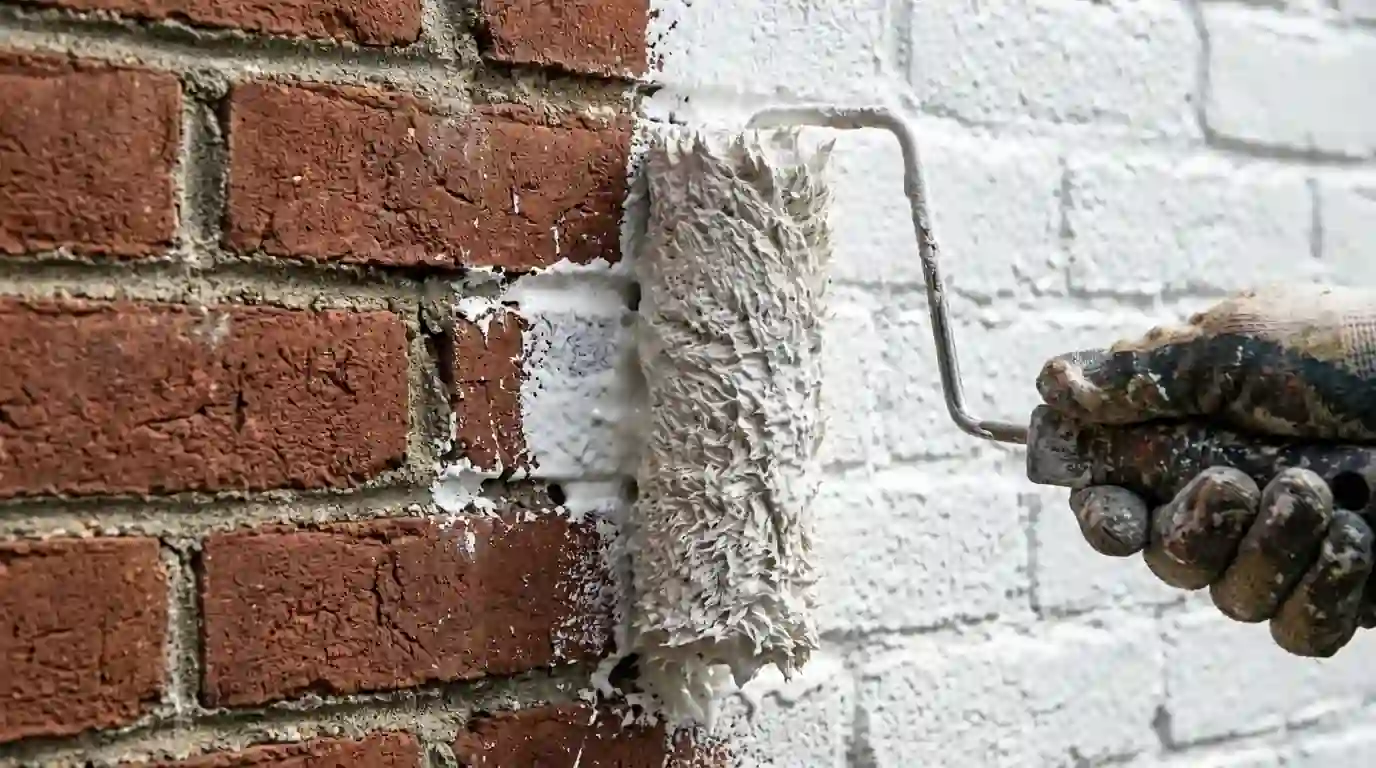
Limewash is thin. It stains the brick face a soft white or tinted tone while leaving the shape and some color of each brick visible, so the wall looks weathered and calm. German smear is thick. A wet mortar mix is troweled or gloved over the face and joints, then knocked back with a sponge or brush in places, so some bricks disappear and others peek through. It reads as rustic, almost like an old farmhouse in Europe, and it adds visible texture.
On a 1970s ranch with strong orange brick, limewash usually calms the color without hiding the brick's character. On a newer home with a flat, uniform brick, German smear adds the depth the wall was missing. We brush or smear a test panel of about four by four feet on a less visible wall so you can see the real result, in your light, before we touch the front of the house.
What real lime does that paint can't
True limewash is calcium hydroxide that reacts with carbon dioxide in the air and slowly turns back into limestone inside the brick pores. That's called carbonation, and it's why limewash becomes part of the wall instead of a film on it. It stays highly breathable, so moisture moves out of the brick freely, and lime's high alkalinity naturally discourages mildew on shaded walls. Over years it wears thinner, especially where rain hits, which many owners see as part of its charm.
Some products sold as limewash are actually thinned acrylic paint. They look similar on day one but peel rather than weather, and they block vapor the way ordinary paint does. We use mineral lime products made for masonry and keep the brand and batch numbers on file so future touch-ups match. Lime is caustic while wet, so our painters wear eye protection and gloves, and we ask that kids and pets stay clear of the work area until each wall has dried.
- Carbonates into the brick rather than forming a surface film
- Very vapor-open, so it suits older brick and damp walls
- Naturally alkaline, which resists mildew growth
- Wears gradually and can be refreshed with another coat
What brick limewash & german smear typically costs in Fort Worth
$3,950 to $9,600
typical range for 1,000 to 2,000 sq ft of exterior brick, not a quote. Your price comes from a written scope after we see the job.
What moves the number
- Limewash versus heavier German smear mortar
- Brick area, wall height and gable work
- Number of coats and wash-back passes
- Existing paint or sealer that must be removed first
- Fireplace or interior accent walls added
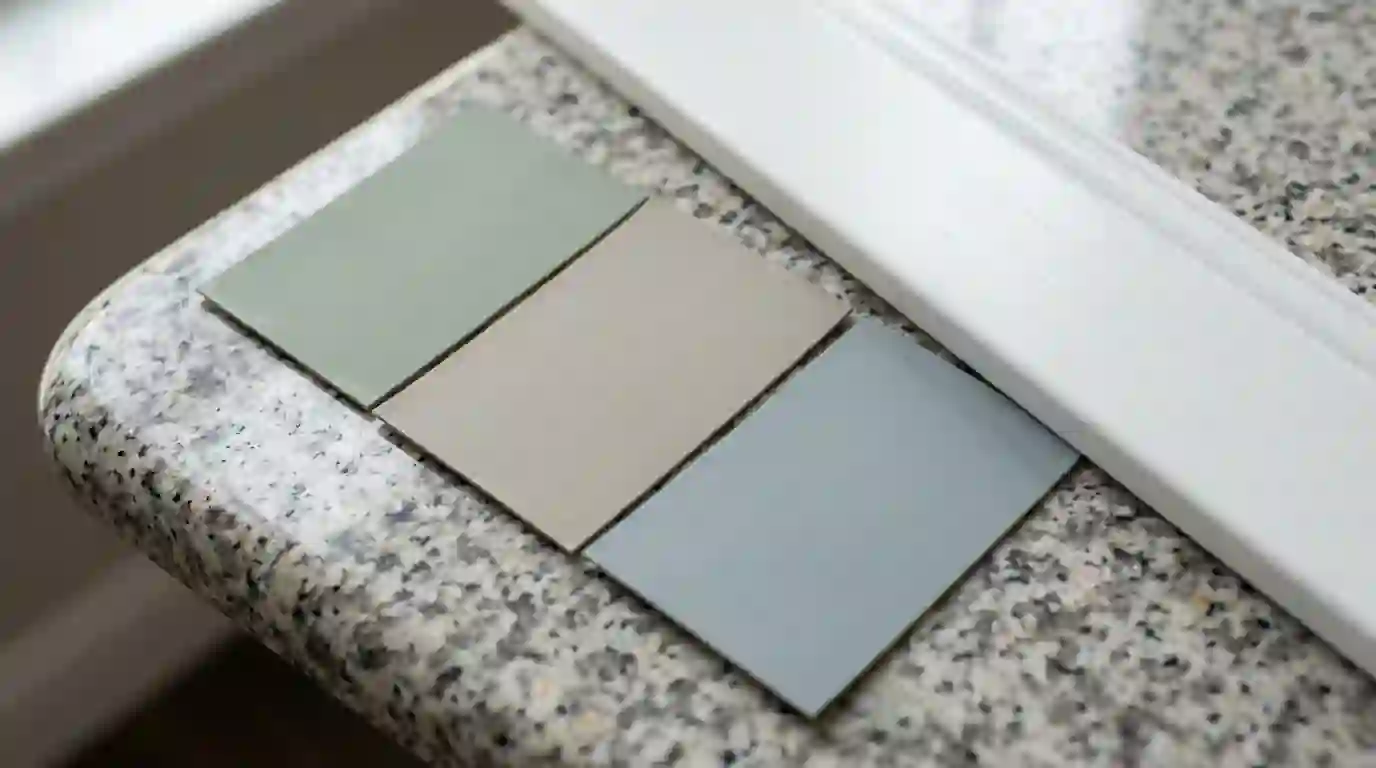
- Tinted lime colors versus natural white
Why brick has to be clean, bare and damp first
Lime only bonds to porous masonry. Any sealer, water repellent or old paint stops it soaking in, and the wash will flake or streak. We test the wall by flicking water on it: if the drops bead instead of darkening the brick, a sealer is present and has to come off first. Previously painted brick needs full stripping before limewash is possible, which changes the budget considerably, so we check this during the first visit.
Clean brick is then misted with water before each coat. Damp brick pulls the lime in slowly and evenly. Dry brick in Fort Worth summer heat would suck the water out of the wash in seconds and leave lap marks and powdery patches. In hot months we work in shade, keep a pump sprayer moving ahead of the brush, and mist the finished section again later so the lime cures instead of flash drying.
How we control the aged effect, wall by wall
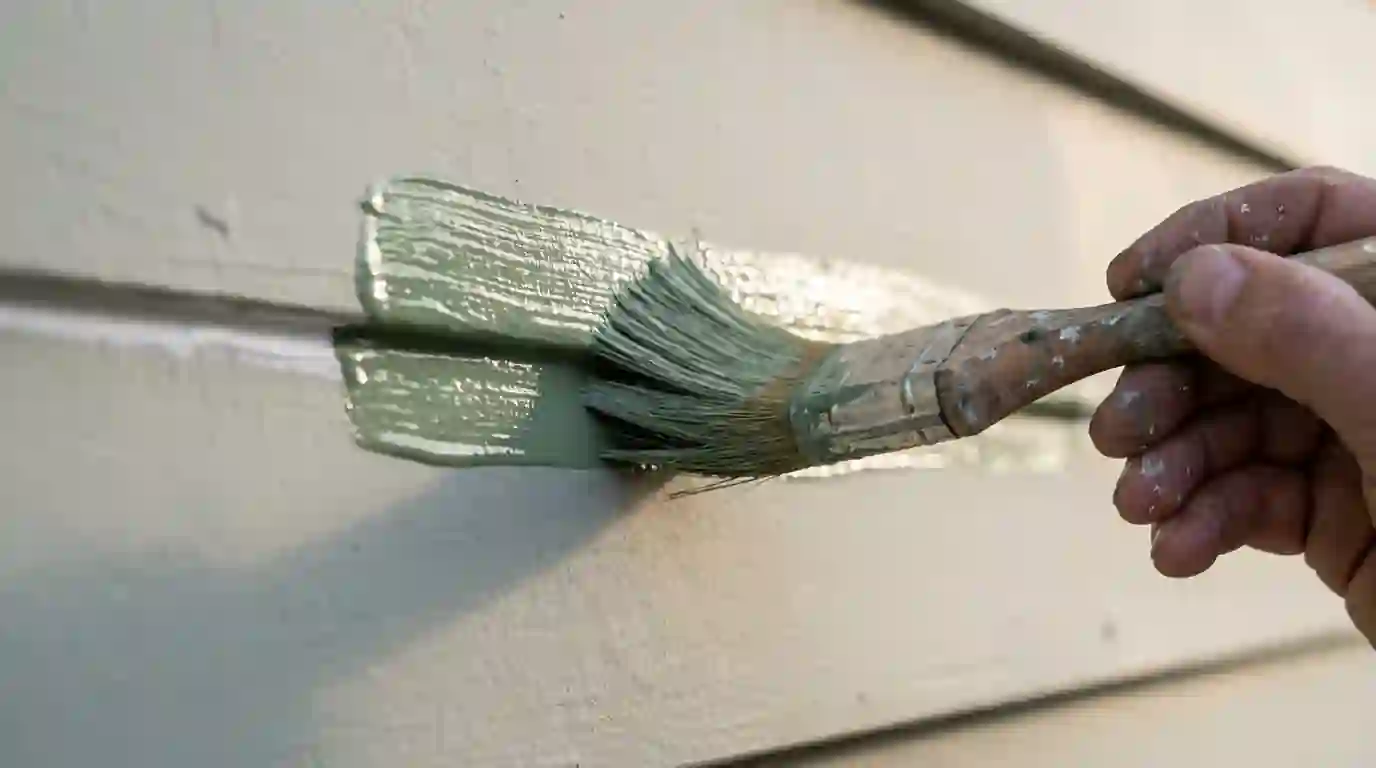
The final look comes from timing. For limewash, we brush on the first coat with a wide masonry brush, let it set for roughly 15 to 60 minutes depending on heat and humidity, then rinse or wipe areas back with a damp sponge or a gentle hose spray to reveal brick. A second coat builds opacity where you want it. For German smear, mortar is applied in sections of a few square feet and knocked back before it stiffens, using a sponge, wire brush or gloved hand.
Consistency across a whole house is the hard part. One crew lead handles the knock-back on every elevation so the pattern stays even, and we keep the approved test panel visible for comparison. Corners, window returns and chimney tops get extra attention, since that's where uneven distressing shows most. We also stop each day at a natural break, like a downspout, corner or window column, so the next morning's work doesn't leave a visible seam in the middle of a wall.
Signs it is time for brick limewash & german smear
- Your brick color feels dated but you don't want a flat painted look
- Mismatched brick from a remodel needs to be blended softly
- You want an old-world or farmhouse style without new masonry
- Previous limewash has worn thin on rain-facing walls
- A fireplace surround looks heavy and dark inside the living room
- Mildew keeps returning on a shaded brick wall
How we handle brick limewash & german smear, step by step
- 1
Sealer and porosity test
We water-test the brick for sealers or paint, check mortar condition and brick porosity, and confirm whether limewash or German smear is realistic before quoting a price.
- 2
Sample panel
A test panel of about 16 square feet is applied on a side wall using your preferred tint and distressing level, then viewed once it dries, since lime lightens as it cures.
- 3
Clean and protect
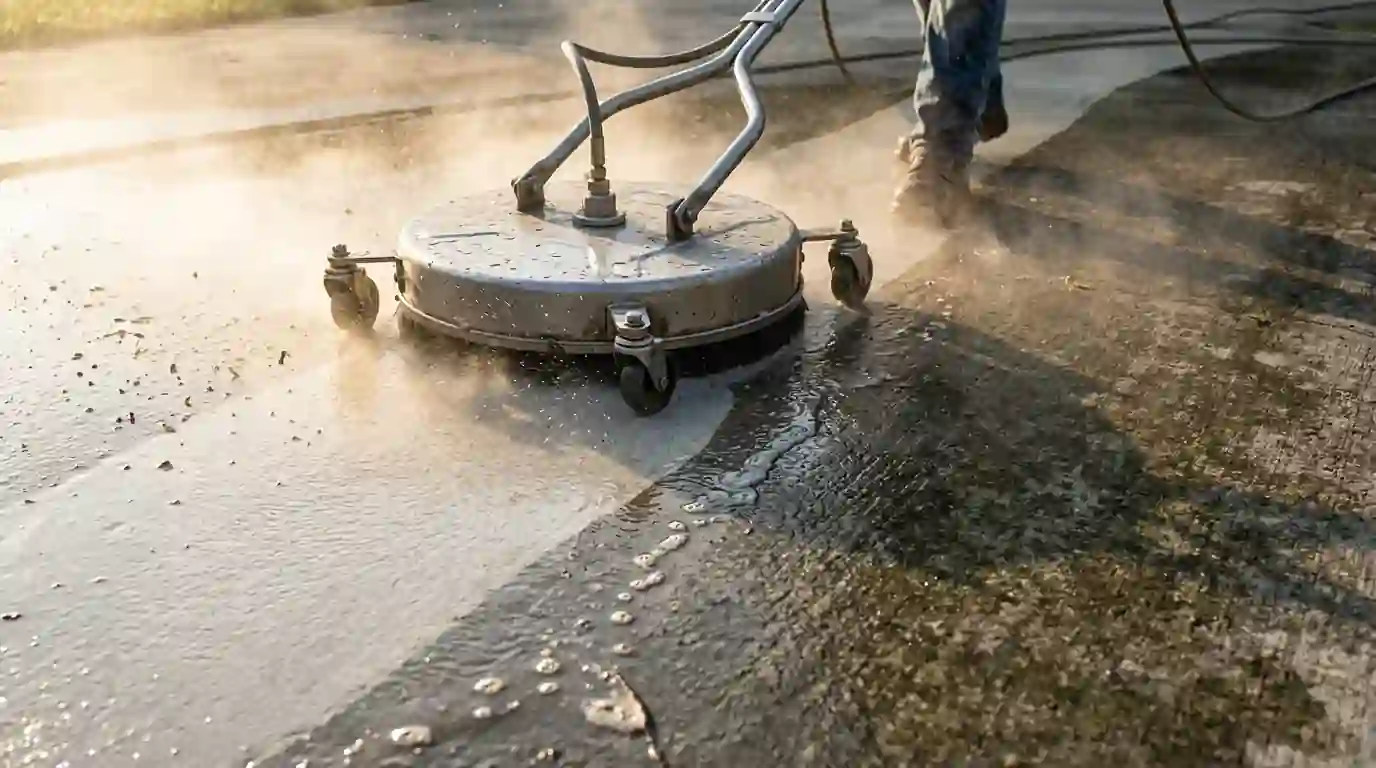
Brick is washed at low pressure, mortar gaps are filled, and windows, trim, fixtures and plants are covered because lime and mortar splatter etch glass and stain wood.
- 4
Dampen and apply
Each section is misted, then limewash is brushed or mortar is applied in small areas, working from top to bottom and from one natural break to another to avoid lap lines.
- 5
Distress and build
We wash back or knock off material to match the approved panel, then add a second limewash coat where more coverage is wanted, keeping one person on distressing throughout.
- 6
Cure and review
Walls are misted again during curing, protection is removed, glass is cleaned of any splatter, and we review every elevation with you after the finish has fully lightened.
Fort Worth conditions that shape brick limewash & german smear
Fort Worth's heat is the main challenge for lime finishes. On a 98F afternoon, brick in the sun can be far hotter than the air, and limewash on hot brick dries before it carbonates, leaving powdery patches. So we schedule lime work for spring and fall where possible, and in summer we work early and in shade only. Hard spring storms will wash back fresh lime that hasn't cured for a few days, so we check the forecast closely. Our clay soil also opens hairline mortar cracks, which German smear tends to cover nicely. Limewash is popular on brick ranches in Tanglewood and Ridglea Hills, and on newer homes where owners want a softer look than painted brick.
Where we offer brick limewash & german smear around Fort Worth
Across Fort Worth (76102 and surrounding ZIP codes), including Fairmount, Ryan Place, Mistletoe Heights, Arlington Heights, Tanglewood, Westcliff and other neighborhoods, plus these nearby cities and counties:
- Arlington 76010
- Grand Prairie 75050
- North Richland Hills 76180
- Mansfield 76063
- Euless 76039
- Grapevine 76051
- Bedford 76021
- Keller 76248
- Burleson 76028
- Haltom City 76117
- Hurst 76053
- Southlake 76092
- Weatherford 76086
- Saginaw 76179
- Colleyville 76034
- Benbrook 76126
- Tarrant County 76102
- Denton County 76201
- Johnson County 76031
- Parker County 76086